





Travel Tuneups: Wellness Retreat in Portugal for a Healthier 2027
From restorative treatments to personalized fitness and nutrition, Longevity Senses Cascais offers three wellness getaways to help guests build healthier habits.
by Anne Moratto
 MENU
 SEARCH
How do you stand out in the salon business? How do you create or identify your brand—whether you’re a salon or an individual? It’s all about inspiring people to engage with you and your business.


The salon business is competitive. There are many salons and stylists vying for clients, and truth be told, most of them do a pretty good job. So how do you stand out? According to Nina Kovner, who proudly calls herself Chief Awesomeness Empowerer of her coaching and consulting company—Passion Squared www.passionsquared.net—it’s all about inspiring people to engage with you and your business, and to talk about it with their friends and families. It’s about creating a brand that’s recognizable and memorable.
Start, says Nina, by understanding the difference between a business and a brand. “A business sells products and services,” she explains. “A brand creates an experience and an identity. It brings consistent word of mouth, referrals, retention and recall.”
So how do you create or identify your brand—whether you’re a salon or an individual? (Because both a business and a person can be a brand.) It starts, says Nina, with the 3 Ps. “I look at creating a brand foundation in three areas,” she explains. “You must define your brand purpose, your brand people and your brand promise.” These three Ps will provide you with the clarity you need to make nearly every decision pertaining to your business.
Your Brand Purpose
Your brand purpose is your “why.” It’s what your brand stands for, why it exists and the problem it solves for the people you serve. And as marketing and business expert and author Simon Sinek says, “People don’t buy what you do, they buy why you do it.”
When determining your brand purpose, Nina recommends asking yourself and/or your team these questions:
What do we believe in?
What do we stand for?
Why did we create this brand?
What problems are we solving for our customers?
Why would someone want to engage with us?
Your Brand People
Your brand people are the “who.” Who are the people you would like to attract? “I don’t believe in traditional demographics for identifying your brand people,” Nina says. “It’s not ‘working women between the ages of 35 and 50.’ Instead, I believe we have to identify our brand people by what they value, what they believe, what’s important to them and how all of that intersects with your brand purpose.”
Be as specific as possible, suggests Nina, and start by looking at the commonalities among the clients you already have. Why did they choose you? What is important to them that’s also important to you? For example, “When it comes to identifying the Passion Square brand people, we know our audience is made up of creative entrepreneurs who value honesty, authenticity and personal development,” Nina says. “They are confused and overwhelmed; they feel lost and alone. Those are the problems we are solving. These characteristics will influence the stories we tell every time we speak to people we do business with, so understanding them really matters.”
When identifying your brand people, ask these questions:
Who are we solving problems for?
Who are our “people.”
What do they believe, value and care about?
What are their problems?
Your Brand Promise
This is the “how” of the equation. This is how you provide solutions. These solutions should let the client know how they’re going to feel and what they can expect. The how is involved in everything from the way you do a consultation to the drinks you serve.
These questions will help identify your brand purpose:
How am I solving my customers’ problems? (These are the benefits of being part of your brand.)
What does my brand experience feel like? How will someone feel when they are immersed in our brand?
What results are we promising when someone engages with our brand? These should be feelings as well as tangible results.
From this point, you can move on to the “what,” which are your services and products. Based on what you know your brand to be, you can create services, promotions, social media channels, websites, employee manuals, logos, graphics, education programs, salon décor and more—and everything will be “on brand.”
Your Brand Process
Everyone arrives at these three brand points in their own ways and in their own time, says Nina. Brainstorming might involve a team retreat, a storyboard or a questionnaire that Passion Squared provides to jumpstart ideas. “Some people have clarity and can speed right through it,” she says. “Others may need to sit with it for months. Remember—it’s not a straight line. Everyone’s at a different point in their business.”
Once your brand is completely fleshed out, you can begin crafting a tactical plan that will take you to your end goal. Perhaps your goal is to build a team of like-minded individuals. With clear vision and intention around your brand, you will have a much easier time developing the right strategies to accomplish your goal. For example, let’s say your brand is committed to serving people who want to look good and are committed to social justice. Participating in a fundraiser for an organization like The National LGBTQ Task Force might be a powerful way to strengthen your team.
For both the goal and the tactics, Nina suggests, take it slow. “I’m all for less is more,” she says. “Target fewer objective and actionable items and give those 100 percent of your attention. Be consistent. So often we get excited about a plan for five minutes, and when we don’t see results, we bail. You have to give things enough time to grow. I encourage my clients to focus on long-term growth. That’s what MY brand stands for.”
Final Notes
Nina recommends three books to help craft your brand vision, available on Amazon:
Start with Why and Find Your Why by Simon Sinek
Tribes by Seth Godin
You can also tune into Simon Sinek’s Ted Talk for more branding insights. https://www.ted.com/talks/simon_sinek_how_great_leaders_inspire_action?language=en
From restorative treatments to personalized fitness and nutrition, Longevity Senses Cascais offers three wellness getaways to help guests build healthier habits.
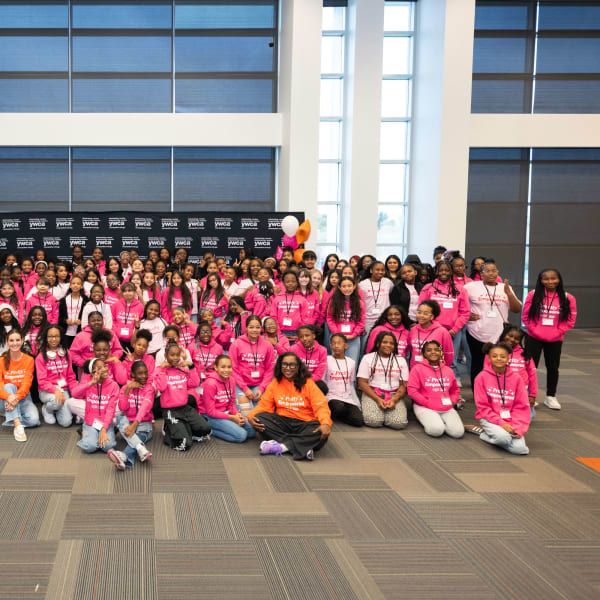
YWCA Metropolitan Chicago and Ulta Beauty Charitable Foundation (UBCF) brought together 150 girls ages 9–14 for Pretty Empowered, a hands-on experience designed to build confidence and introduce girls to careers options.

Like many hairdressers, I saw opening a salon as the next logical step. But I also wanted my salon to be a little different, and needed to figure out ways to stand out in a sea of salons.
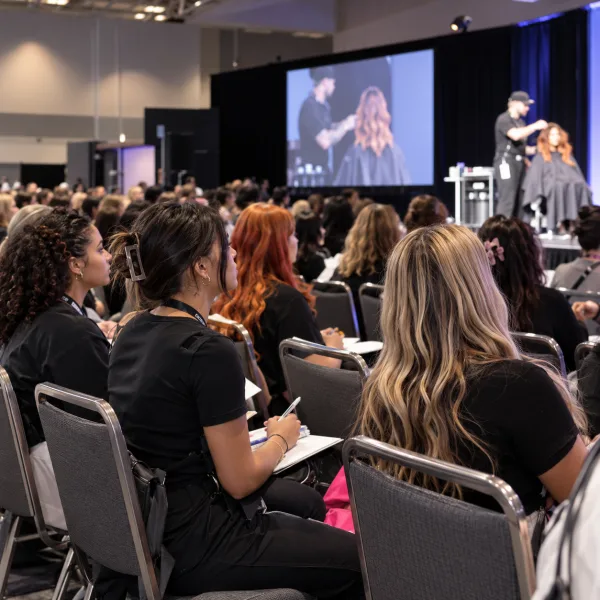
Powered by the brand’s Suite Relief Program, a North America initiative funds education and trade show access for students across cosmetology, barbering, esthetics, nail technology, and massage therapy.
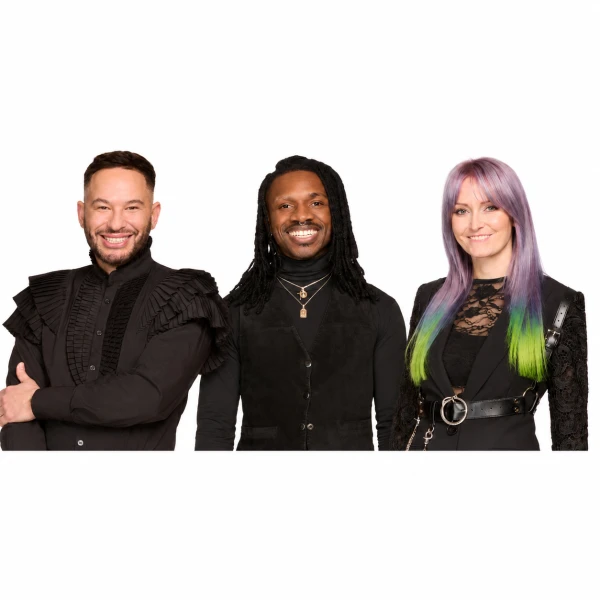
What makes salon content worth a pause? Hairstylists Janelle Eyre, Sean Crutcher and Luis Rodriguez share how they show their work, earn guests’ trust and make posting feel manageable. You can get MORE from these artists in our upcoming webinar!
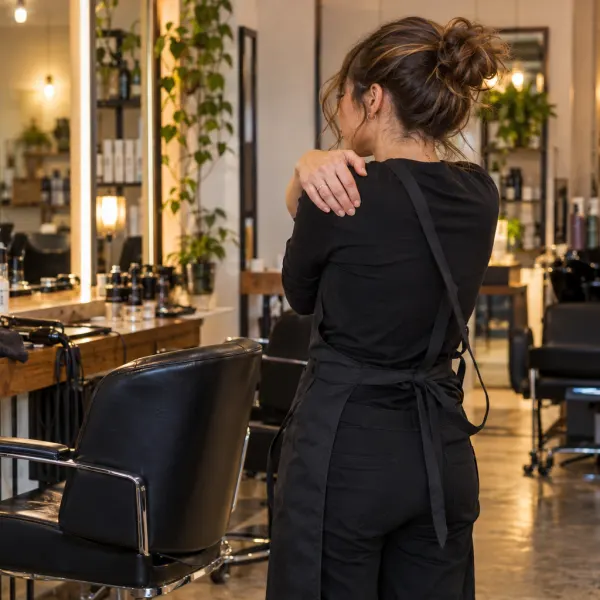
We learn some simple moves and strategies to keep the blood pumping through the muscles and limit posture problems from The Balanced Beauty Pro

Anny VanDriel, owner of Be Rosie Salon and creator of Pricing Isn’t Personal, volunteered to share a pricing presentation to beauty school students a year ago, and ended up learning more than she expected.

From the launch of the Ulta BeautyArtist Collective to the evolution of Trendspiration, celebrating stylists is what The Salon at Ulta Beauty does best.
Sponsored by Ulta Beauty
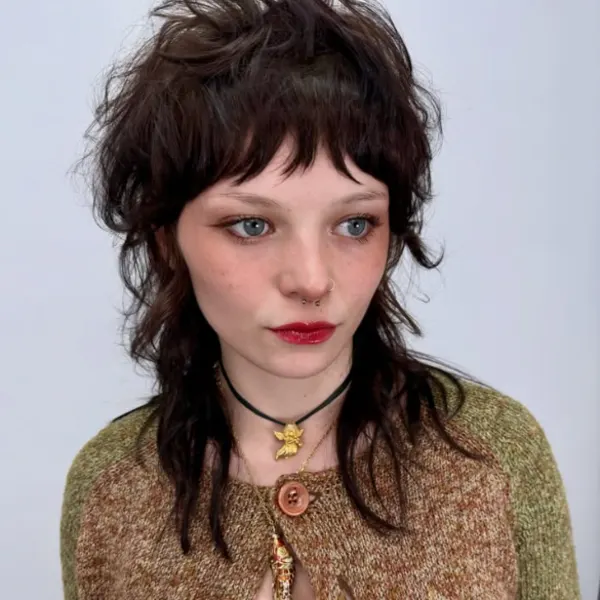
With more than four decades in the industry, hairdresser and MODE Education founder Stan Newton has built a career around the art and discipline of cutting hair, learning the rules so he can break them.
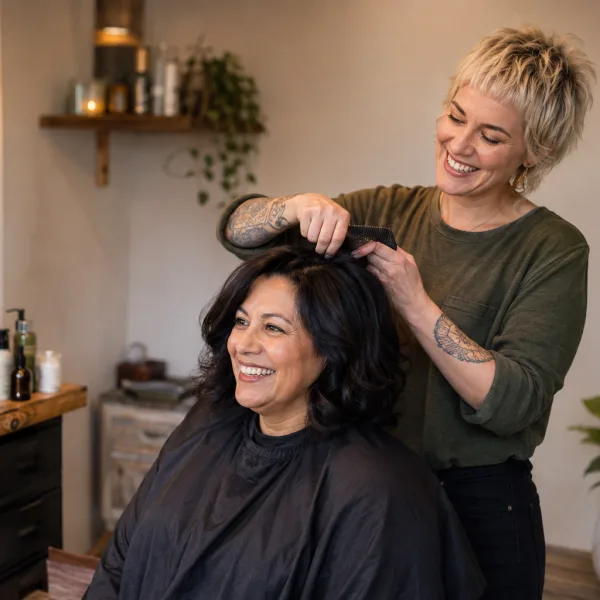
Beauty professionals should evaluate each service based on its popularity, profitability, and alignment with current trends. Conducting client surveys and analyzing booking data can provide insights into which services are in demand and which might be phased out.
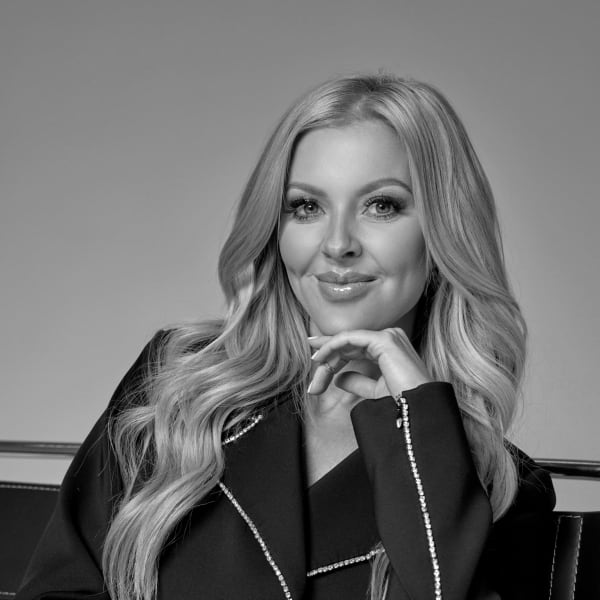
LifeSpa leader Ali Yanez explains why strong mentorship, predictable income, meaningful recognition and the right work environment help beauty professionals build careers that last.

Whether a beauty professional chooses a commission salon, booth rental, salon suite or salon ownership, the common thread is having more choices than ever before.

Sport Clips Haircuts will host its inaugural "Level Up Live," a first-of-its-kind virtual event that combines live haircutting education, career inspiration, product knowledge, and employment opportunities for licensed stylists and cosmetology students nationwide.
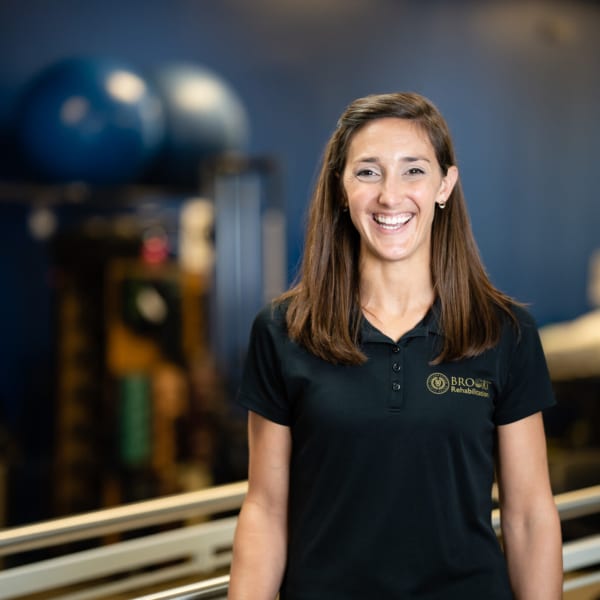
Orthopedic PT reveals three daily exercises plus ergonomic advice that can help salon professionals avoid the aches and injuries caused by standing, bending and repetitive overhead work.

Four publications for beauty industry professionals to enhance their leadership skills, financial awareness, professional growth, and joy!
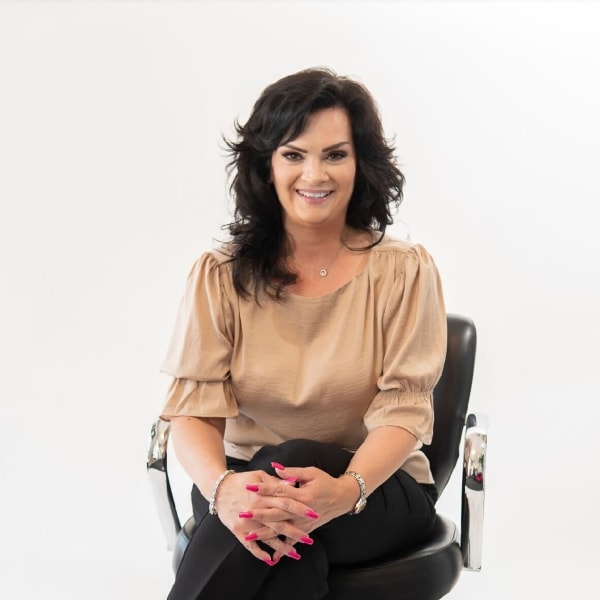
Salon suite pioneer Karen Kaminski argues that the next evolution of independent beauty businesses won't be defined by beautiful spaces alone, it will be driven by smarter systems that help professionals spend less time on administrative work and more time serving clients.

At a time when many LGBTQ+ people felt compelled to hide parts of themselves, Carlos Valenzuela found a career in beauty and a community that offered opportunity based on what you could do and how well you could do it.