








Travel Tuneups: Wellness Retreat in Portugal for a Healthier 2027
From restorative treatments to personalized fitness and nutrition, Longevity Senses Cascais offers three wellness getaways to help guests build healthier habits.
by Anne Moratto
 MENU
 SEARCH
"Being a great stylist isn't just about knowing how to execute a technique. It's about knowing what to do when things don't go according to plan. I don't think our industry has a talent problem. I think we have a preparation problem. And that's exactly the gap I'm trying to help close."
Lisa G (@lifeoflisag) is a hairstylist, educator and the founder of Straight Out of Cosmo, an education and mentorship platform that bridges the gap between cosmetology school and a sustainable career. With 15+ years behind the chair, she specializes in color correction, extensions and transformative color, and owns Him | Her Atelier in Huntington Beach, California.
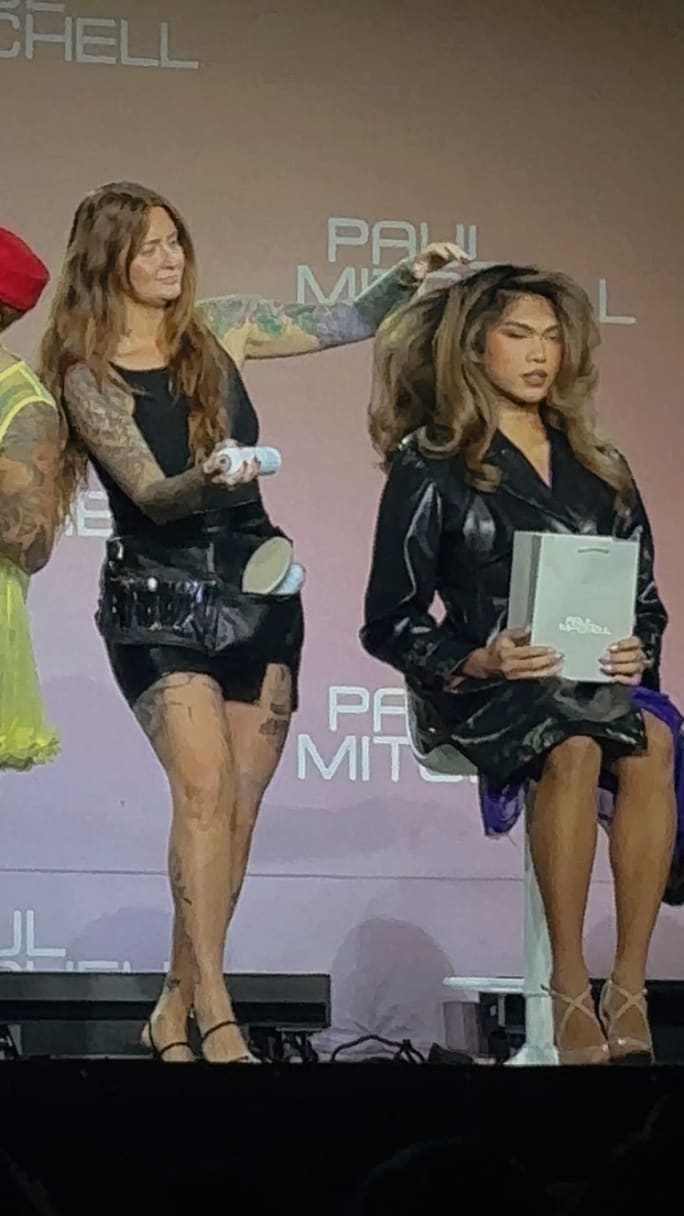
Lisa has worked backstage at New York and Paris Fashion Week and has taught in more than 20 states through stages, tours, school visits and private education. She is also the creator of The Content Chronicles, a traveling two-day social media and business class for stylists, and works with Paul Mitchell Pro and K18 as an artist.
Lisa G
MODERN asked her to answer some questions about her program, to tell us what it is, why she created it, and what she is trying to achieve.
I created Straight Out of Cosmo because there's a massive disconnect between what we're taught in beauty school and what it actually takes to build a successful career in this industry.
I've been behind the chair for over 15 years, and I can tell you firsthand that knowing how to do hair is only one piece of the puzzle. You can graduate, pass your state boards, get your license, and still have absolutely no idea how to build a clientele, price your services, market yourself, manage your money, or even handle a difficult consultation. And that's a problem.
We're sending incredibly talented, passionate new professionals into an industry where they're expected to figure out the business of being a hairstylist entirely on their own. I know because I was one of them.
When I moved from Delaware to California, I had zero clients. I posted consistently into total silence for months. Then one tutorial took off, and within six months my book was full. That moment opened doors I never could have imagined: brand partnerships, stages, New York and Paris Fashion Week, and a community of hundreds of thousands of people online. But none of that happened because I simply knew how to do good hair.
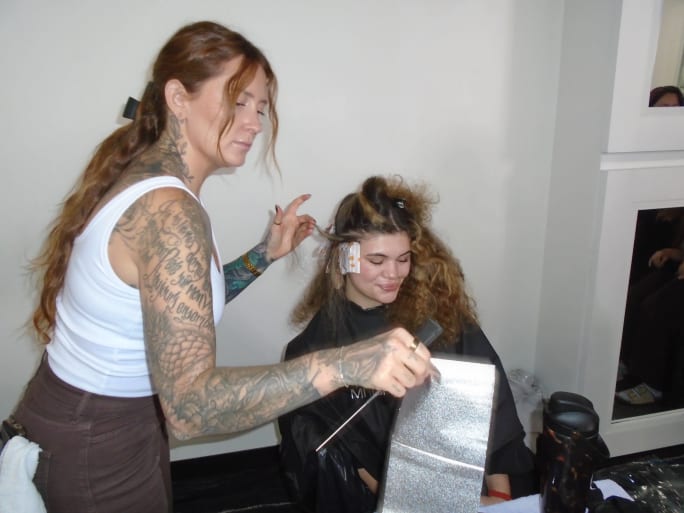
"My goal was never to create just another education platform. It was to create something that could genuinely change the trajectory of someone's career."--Lisa
Lisa G
It happened because I learned how to turn my skills into a business. And I started asking myself, why aren't we teaching this? Why are we teaching people how to perform a service without teaching them how to make a sustainable living performing that service?
That's where Straight Out of Cosmo came from. The name says it all. It's the education you needed the day you walked straight out of cosmetology school. And I wanted that education to be accessible. Because I don't believe someone's financial situation, location, or connections should determine how successful they can become.
I think the biggest thing new professionals are missing is the ability to connect their technical skills to the business they're trying to build. And I don't necessarily blame beauty schools for that. They're responsible for teaching the fundamentals and preparing students for licensure. But passing a state board exam and being prepared to build a career are two completely different things.
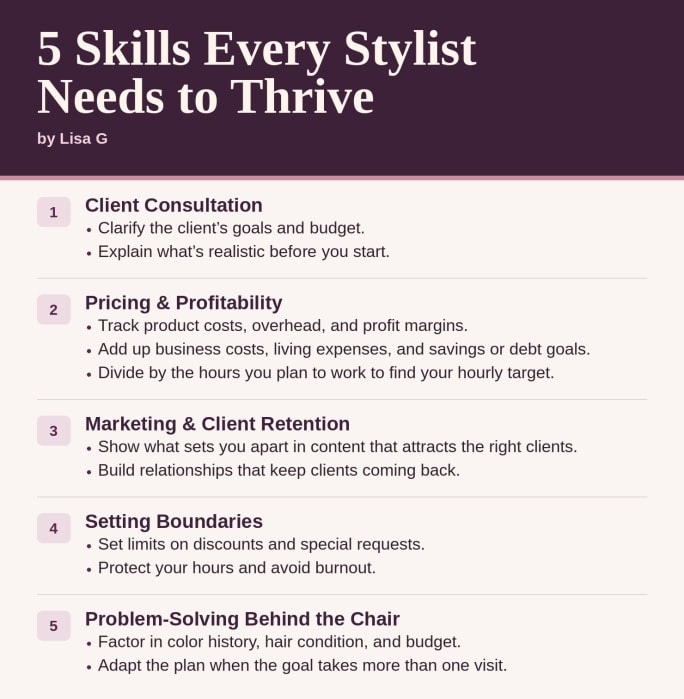
One of the biggest gaps I see is consultation skills. You can be an incredibly talented colorist, but if you don't know how to communicate with your client, manage expectations, discuss budgets, or confidently explain what's realistic, you're going to struggle. I always say a great consultation can make or break an appointment before you ever pick up a brush.
Another huge gap is understanding the numbers. So many stylists have no idea what it actually costs them to perform a service. They don't know their product costs, their overhead, their profit margins, or how much they need to charge to make a sustainable income.
And because they don't know their numbers, they end up pricing themselves based on what everyone around them is charging. That's how you end up booked and broke. You're working constantly, your schedule is full, and somehow there's nothing left at the end of the month.
I teach stylists to price from a real bottom line: what your business costs, what your life costs, and what you want to save or pay off, divided by the hours you actually want to work. Not the hours you think you should be working.
Then there's marketing. One of the biggest misconceptions in our industry is that if you're talented enough, clients will eventually find you. That's simply not how it works anymore.You need to understand how to position yourself, communicate your value, create content that attracts the right people, and build relationships that turn first-time clients into lifelong clients.
There's also boundaries. New stylists say yes to everything: every request, every discount, every late Saturday appointment. That's how you burn out before you ever get the chance to grow.
And finally, I think we need to teach new professionals how to problem-solve. Real clients don't walk into the salon with perfect hair, unlimited budgets, and completely realistic expectations. They come in with box dye, henna, medications, hair loss, years of color history, and Pinterest pictures that might not be achievable in one appointment.
Being a great stylist isn't just about knowing how to execute a technique. It's about knowing what to do when things don't go according to plan. I don't think our industry has a talent problem. I think we have a preparation problem. And that's exactly the gap I'm trying to help close.
Because real clients are the reality of our industry. And I think sometimes we've gotten so caught up in creating beautiful, aesthetically pleasing education that we've forgotten what actually happens behind the chair.
It's easy to create a gorgeous transformation when you're working on a model with an ideal hair history, the perfect starting canvas, and unlimited time. But what happens when your client has fifteen years of box dye? What happens when she has a $200 budget but wants a $600 transformation? What happens when her hair doesn't lift the way you anticipated, or the consultation reveals something completely different from what she originally booked? That's the education I want to see.
When I created Straight Out of Cosmo, I made a conscious decision that our education would feature real clients, real appointments, and real challenges. No perfect canvases. No pretending every transformation goes exactly as planned.
One of the client journeys I've documented was a year-long color correction removing years of box color. It wasn't a pretty one-day reveal. It was a long-term plan, built session by session, and that's exactly what stylists need to see. How do you set those expectations? How do you price a correction that takes months? How do you keep a client's trust the entire way?
I want stylists to see the thought process behind every decision. Why did I choose that product? Why did I change my formula? Why did I decide not to push the hair any further? How did I explain that decision to the client? Those are the moments where real education happens.
And sometimes, the most valuable lesson isn't how to achieve a certain result. It's understanding why that result isn't achievable today. That's also why I teach the chemistry behind it all. When you understand the why, you stop being scared of the clients other stylists turn away, and you can create a safe space for the people who need it most.
I also think there's something incredibly important about showing the reality of our work, especially on social media. We're constantly seeing dramatic before-and-after transformations, but we're not always seeing the hours, the cost, the challenges, or the multiple appointments it took to get there. That creates unrealistic expectations for clients and professionals alike.
I want to normalize the fact that good hair takes time, great results require strategy, and protecting the integrity of someone's hair will always be more important than creating a viral transformation.
I'm not interested in teaching stylists how to recreate a perfect result under perfect circumstances. I want to teach them how to make confident decisions when the circumstances are anything but perfect. Because that's what makes someone a great professional.
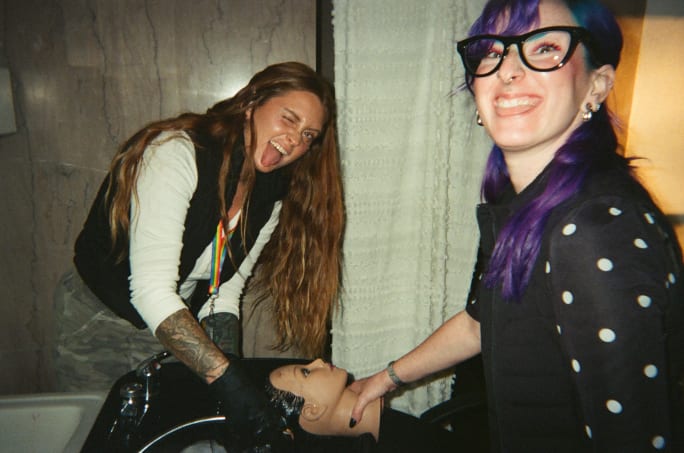
"Social media has also completely changed what's possible for our industry. I am living proof of that. One tutorial changed the trajectory of my career. It opened doors to brand partnerships, education opportunities, stages, and relationships I never could have imagined when I first started doing hair."
Lisa G
Because being a great hairstylist and running a successful hairstyling business are two completely different skill sets. And I think that's one of the most important conversations we need to be having as an industry.
For years, we've put so much emphasis on technical education. And don't get me wrong, technical education is incredibly important. You need to understand chemistry, formulation, cutting, color theory, and how to safely perform the services you're offering. But technical skills alone don't guarantee financial success.
You can be the most talented stylist in your city, but if nobody knows who you are, if you don't know how to price your work, or if you don't understand how to manage your money, that talent isn't going to pay your bills. That's why I built Straight Out of Cosmo around the entire business of being a beauty professional.
Marketing is how people discover you. Your consultation is how you build trust. Your technical ability is how you deliver results. Your client experience is what brings people back. And understanding your numbers is what allows you to actually profit from all of it.
And I want to be really clear about one thing: charging more doesn't automatically mean earning more. Understanding where your money goes does. I've seen so many stylists raise their prices and still feel broke, because the problem was never the price. It was the plan.
But here's what I always tell stylists: you don't need another blonding class. You need to learn how to market the skills you already have. So many professionals keep investing in the next technique because they think that's what's going to make them more successful. And sometimes it will.
But if you already know how to create beautiful hair and you're struggling to fill your books, learning another technique probably isn't going to solve your problem. Learning how to communicate your value might.
I also want stylists to recognize that their income doesn't have to be limited to the number of clients they can physically see in a day. We live in a time when beauty professionals can create digital products, teach classes, partner with brands, build online communities, and create entirely new revenue streams with the knowledge they already have. That's powerful.
The goal isn't to make every hairstylist an influencer. The goal is to give every hairstylist the knowledge and tools to create a career that supports the life they actually want. Because success looks different for everyone.
For one stylist, success might mean being booked out five days a week. For another, it might mean working three days behind the chair and spending the rest of their time with their family. For someone else, it might mean becoming an educator, opening a salon, or building a brand. None of those versions of success is more valid than another.
I want stylists to stop building careers around what they think success is supposed to look like and start building businesses that make sense for their lives. And you can't do that without understanding both your craft and your business.
My vision for Straight Out of Cosmo is so much bigger than an online education platform.
I want to build an ecosystem that supports beauty professionals at every stage of their careers, from the student still figuring out what kind of stylist they want to become to the seasoned professional ready to build something beyond the chair.
The piece I'm most excited about right now is the SOOC Leaders Program.
I can't be the expert in everything, and I don't want to be. So we've hand-picked industry leaders to join the Straight Out of Cosmo team. Throughout the year, our Leaders will teach live virtual classes that are exclusive to our subscribers. That means our community gets specialized education from the best in the business, right at their fingertips.
Our first two Leaders are perfect examples of why this matters.
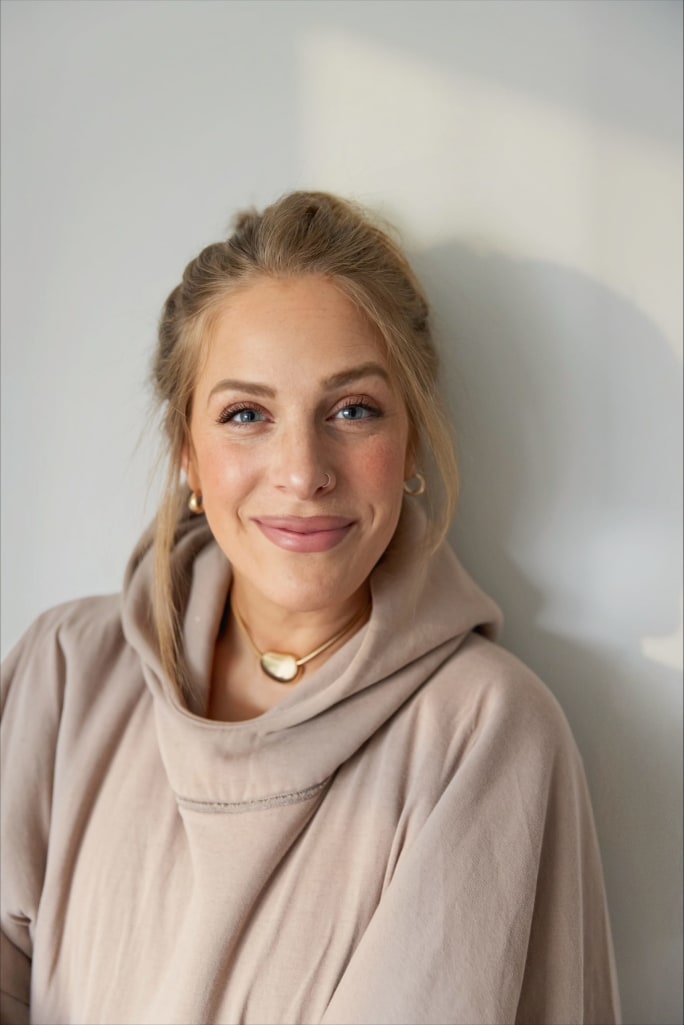
Kayla Manzella @kayhelene is a gray specialist and salon owner in Long Island, New York. She focuses on supporting women in their journey to freedom from routine maintenance and encourages stylists to learn to work with gray, not against it.

Sammy Feldman @stylezbysammyy is a curly hair specialist based in Boston, Massachusetts. She believes every client deserves to leave the salon feeling beautiful, and she teaches stylists the texture skills cosmetology school skipped, so they can work with curls confidently and better serve a curly community that's too often been overlooked.
Gray and texture are two of the biggest gaps I see in our industry, and I can't think of anyone better to teach them.
We're also building out our Success programs, with monthly live classes, a new group coaching program launching in December, small-group in-person classes in Huntington Beach in 2027, and SOOC On Tour. And The Open Chair, our free community, gives stylists a place to ask questions, share their wins, and connect with people who genuinely want to see them succeed. Because I don't believe we need to compete with each other to be successful. There's room for all of us.
But ultimately, the biggest thing I want Straight Out of Cosmo to contribute to this industry is a shift in how we define success. For too long, we've glorified being busy. But being busy doesn't necessarily mean you're successful. And being booked doesn't necessarily mean you're profitable.
I want fewer stylists burning out five years into their careers because nobody taught them how to run a business. And I want more stylists realizing that their knowledge, their experiences, and their voices have value beyond the services they perform.
Because at the end of the day, I don't just want to teach people how to do hair. I want to teach them how to build a life with the skills they've worked so hard to learn.
From restorative treatments to personalized fitness and nutrition, Longevity Senses Cascais offers three wellness getaways to help guests build healthier habits.
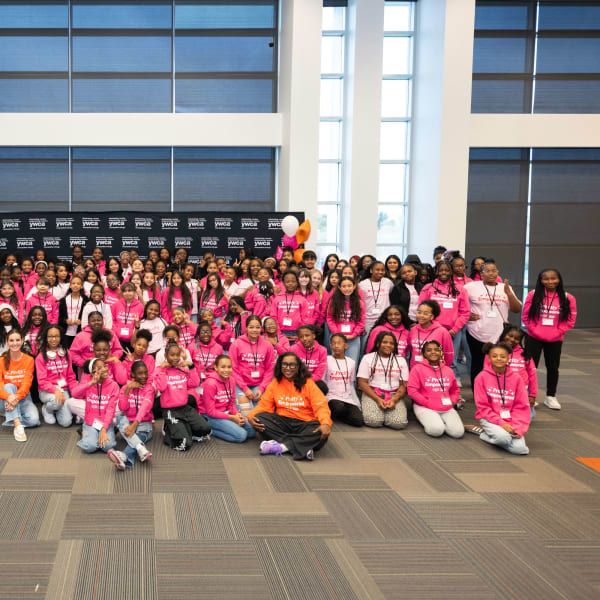
YWCA Metropolitan Chicago and Ulta Beauty Charitable Foundation (UBCF) brought together 150 girls ages 9–14 for Pretty Empowered, a hands-on experience designed to build confidence and introduce girls to careers options.

Like many hairdressers, I saw opening a salon as the next logical step. But I also wanted my salon to be a little different, and needed to figure out ways to stand out in a sea of salons.
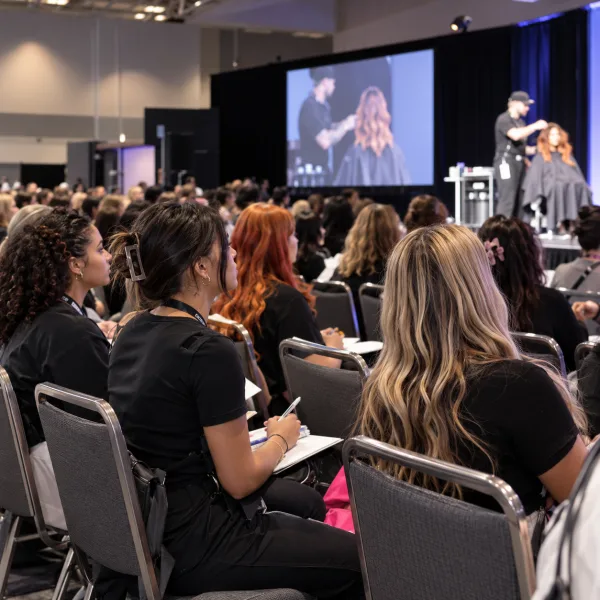
Powered by the brand’s Suite Relief Program, a North America initiative funds education and trade show access for students across cosmetology, barbering, esthetics, nail technology, and massage therapy.

What makes salon content worth a pause? Hairstylists Janelle Eyre, Sean Crutcher and Luis Rodriguez share how they show their work, earn guests’ trust and make posting feel manageable. You can get MORE from these artists in our upcoming webinar!

We learn some simple moves and strategies to keep the blood pumping through the muscles and limit posture problems from The Balanced Beauty Pro

Anny VanDriel, owner of Be Rosie Salon and creator of Pricing Isn’t Personal, volunteered to share a pricing presentation to beauty school students a year ago, and ended up learning more than she expected.

From the launch of the Ulta BeautyArtist Collective to the evolution of Trendspiration, celebrating stylists is what The Salon at Ulta Beauty does best.
Sponsored by Ulta Beauty

With more than four decades in the industry, hairdresser and MODE Education founder Stan Newton has built a career around the art and discipline of cutting hair, learning the rules so he can break them.
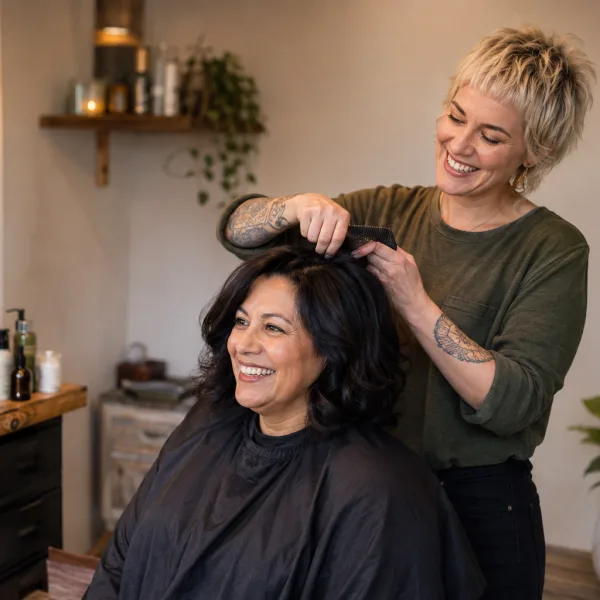
Beauty professionals should evaluate each service based on its popularity, profitability, and alignment with current trends. Conducting client surveys and analyzing booking data can provide insights into which services are in demand and which might be phased out.

LifeSpa leader Ali Yanez explains why strong mentorship, predictable income, meaningful recognition and the right work environment help beauty professionals build careers that last.

Whether a beauty professional chooses a commission salon, booth rental, salon suite or salon ownership, the common thread is having more choices than ever before.

Sport Clips Haircuts will host its inaugural "Level Up Live," a first-of-its-kind virtual event that combines live haircutting education, career inspiration, product knowledge, and employment opportunities for licensed stylists and cosmetology students nationwide.
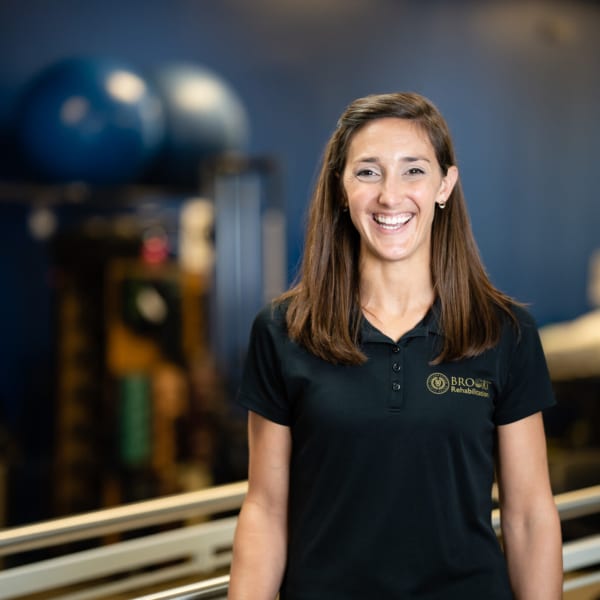
Orthopedic PT reveals three daily exercises plus ergonomic advice that can help salon professionals avoid the aches and injuries caused by standing, bending and repetitive overhead work.

Four publications for beauty industry professionals to enhance their leadership skills, financial awareness, professional growth, and joy!
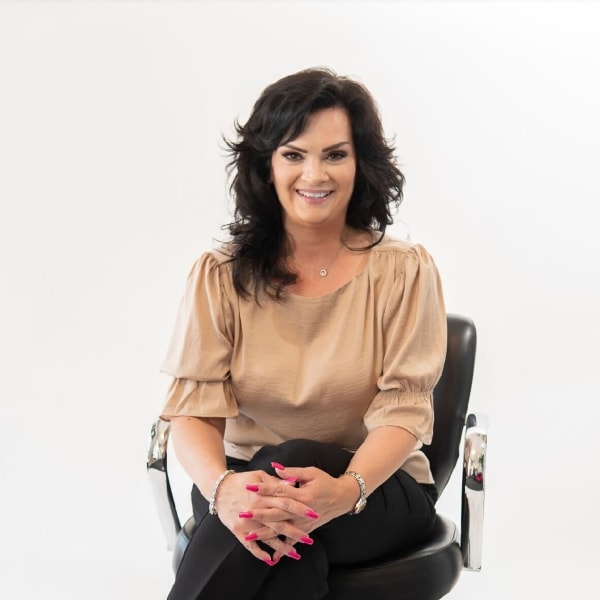
Salon suite pioneer Karen Kaminski argues that the next evolution of independent beauty businesses won't be defined by beautiful spaces alone, it will be driven by smarter systems that help professionals spend less time on administrative work and more time serving clients.

At a time when many LGBTQ+ people felt compelled to hide parts of themselves, Carlos Valenzuela found a career in beauty and a community that offered opportunity based on what you could do and how well you could do it.