






Travel Tuneups: Wellness Retreat in Portugal for a Healthier 2027
From restorative treatments to personalized fitness and nutrition, Longevity Senses Cascais offers three wellness getaways to help guests build healthier habits.
by Anne Moratto
 MENU
 SEARCH
THE TALK - WHAT TO SAY WHEN: Your client’s hair is thinning.
When it comes to thinning hair, women are likely to mention it to their stylists first; men might be reluctant to bring it up. This is a sensitive topic and if you’re young with a full head of hair, educate yourself to act as an advisor and banish “bald” from your vocabulary. With one-third of women and over half of men over the age of 18 reporting thinning hair, it’s time to get the conversation started.
1. Get schooled. If you don’t know Minoxidil from Finasteride (Propecia) or the medications most likely to cause thinning hair, get online and start learning. One good site is the American Hair Loss Council at ahlc.org. Normal hair loss is 50 to 100 strands a day and 95% of hair loss is hormonal or hereditary. Other causes include medications, stress, shock, mechanical or chemical stress and scalp disorders like alopecia. Familiarize yourself with the basics but don’t try to diagnose. If a client asks why her hair is thinning, don’t say you know why, offer options to try.
2. Make it Easy. Rather than saying, “I notice your hair is getting thinner,” or waiting for the client to mention it, use the consultation to lead the client. Ask: “What do you like about your hair, what don’t you like, and what would you most like to change?” Perform a scalp analysis. If your client wants thicker, fuller hair or wishes she had more of it, then ask if it seems to be thinning lately and what she thinks might be the cause.
3. Offer options. From scalp treatments, shampoos and hair vitamins to volumizers, hair extensions and magnetic hair fibers, there have never been so many options. No surprise, there’s also a lot of consumer skepticism. Remember, only Minoxidil, Propecia (for men only), and certain laser treatments can make hair-growth claims. Suggest a hair care regimen you’ve tested and trust, that’s tailored to what the client thinks is the cause of her hair loss. You’ll know if it’s traction alopecia; she’ll have a good idea if hair loss is pregnancy- or medication-related, hereditary, hormonal or unexplained.
4. Think Camouflage. Specific cuts, color treatments and hairstyles work best with fine and thinning hair. Always keep it positive, say: “I can make your hair look thicker by point-cutting the ends shorter,” or, “A zigzag part will make your part line look denser.” Illusions for women include bangs, long layers or asymmetry. For men, offer short, cropped cuts and some layers. According to the pros at Nioxin, deeper-colored roots and dimension always make hair look denser. Keep the developer volume low!
5. Maintain and Protect. Suggest preventive regimens that include minimized mechanical and chemical stress; thickening shampoos, conditioners and stylants; scalp treatments and scalp massages; and gentle tools, from tourmaline dryers to boar-bristle brushes. Show your client styling tricks that achieve fullness and volume with minimal heat. Then recommend a dermatologist or trichologist. You’ll come across as more credible if you don’t drift into discussions that are medical.
From restorative treatments to personalized fitness and nutrition, Longevity Senses Cascais offers three wellness getaways to help guests build healthier habits.

YWCA Metropolitan Chicago and Ulta Beauty Charitable Foundation (UBCF) brought together 150 girls ages 9–14 for Pretty Empowered, a hands-on experience designed to build confidence and introduce girls to careers options.

Like many hairdressers, I saw opening a salon as the next logical step. But I also wanted my salon to be a little different, and needed to figure out ways to stand out in a sea of salons.
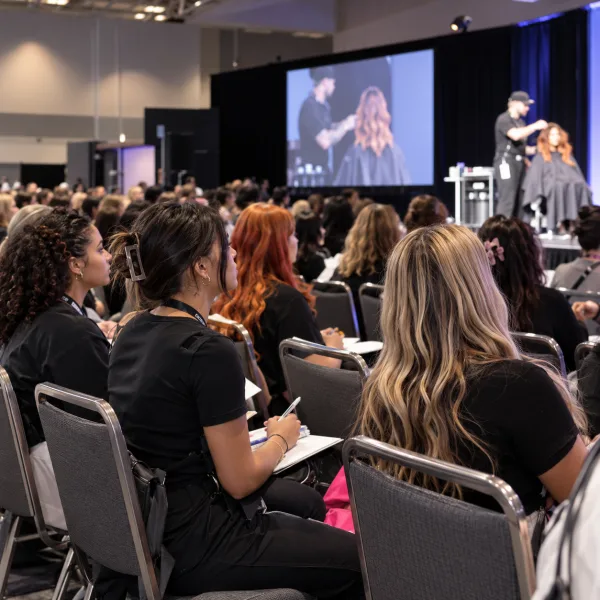
Powered by the brand’s Suite Relief Program, a North America initiative funds education and trade show access for students across cosmetology, barbering, esthetics, nail technology, and massage therapy.

What makes salon content worth a pause? Hairstylists Janelle Eyre, Sean Crutcher and Luis Rodriguez share how they show their work, earn guests’ trust and make posting feel manageable. You can get MORE from these artists in our upcoming webinar!
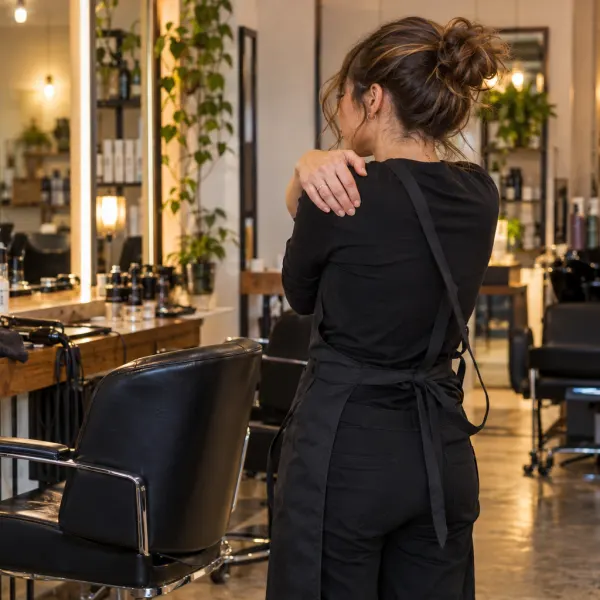
We learn some simple moves and strategies to keep the blood pumping through the muscles and limit posture problems from The Balanced Beauty Pro

Anny VanDriel, owner of Be Rosie Salon and creator of Pricing Isn’t Personal, volunteered to share a pricing presentation to beauty school students a year ago, and ended up learning more than she expected.

From the launch of the Ulta BeautyArtist Collective to the evolution of Trendspiration, celebrating stylists is what The Salon at Ulta Beauty does best.
Sponsored by Ulta Beauty
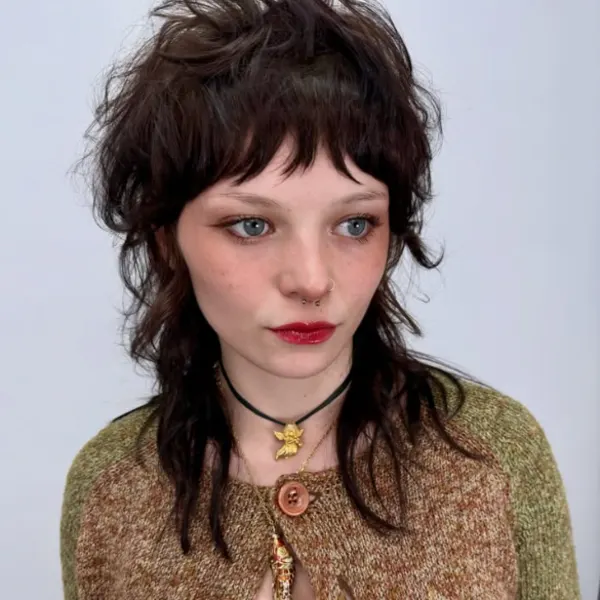
With more than four decades in the industry, hairdresser and MODE Education founder Stan Newton has built a career around the art and discipline of cutting hair, learning the rules so he can break them.
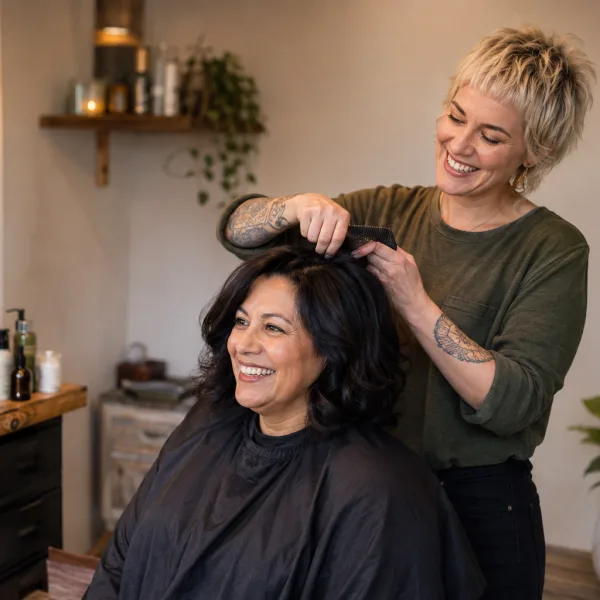
Beauty professionals should evaluate each service based on its popularity, profitability, and alignment with current trends. Conducting client surveys and analyzing booking data can provide insights into which services are in demand and which might be phased out.

LifeSpa leader Ali Yanez explains why strong mentorship, predictable income, meaningful recognition and the right work environment help beauty professionals build careers that last.

Whether a beauty professional chooses a commission salon, booth rental, salon suite or salon ownership, the common thread is having more choices than ever before.

Sport Clips Haircuts will host its inaugural "Level Up Live," a first-of-its-kind virtual event that combines live haircutting education, career inspiration, product knowledge, and employment opportunities for licensed stylists and cosmetology students nationwide.
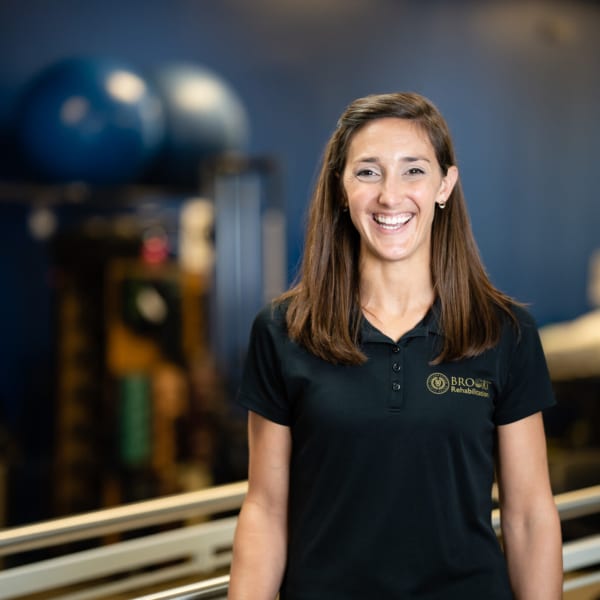
Orthopedic PT reveals three daily exercises plus ergonomic advice that can help salon professionals avoid the aches and injuries caused by standing, bending and repetitive overhead work.

Four publications for beauty industry professionals to enhance their leadership skills, financial awareness, professional growth, and joy!
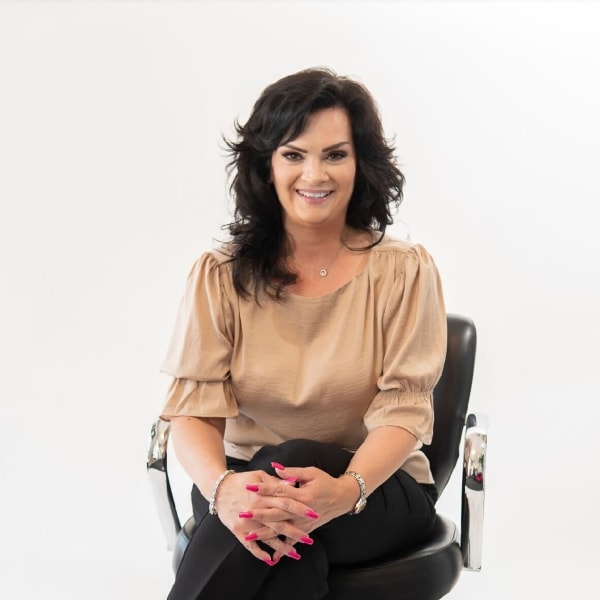
Salon suite pioneer Karen Kaminski argues that the next evolution of independent beauty businesses won't be defined by beautiful spaces alone, it will be driven by smarter systems that help professionals spend less time on administrative work and more time serving clients.

At a time when many LGBTQ+ people felt compelled to hide parts of themselves, Carlos Valenzuela found a career in beauty and a community that offered opportunity based on what you could do and how well you could do it.