


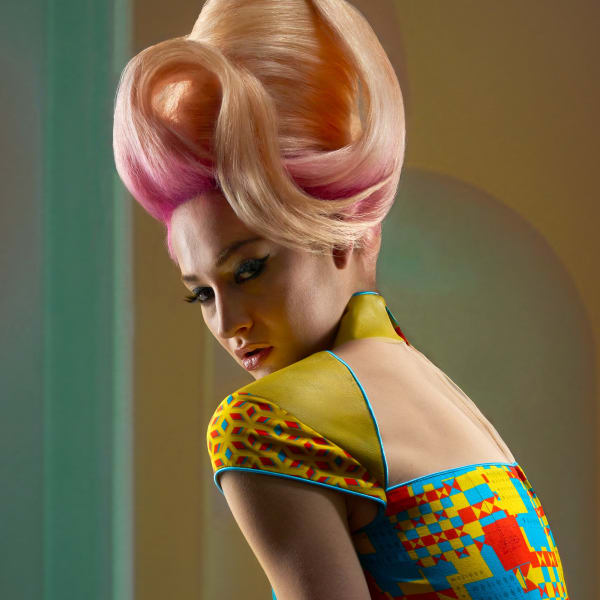
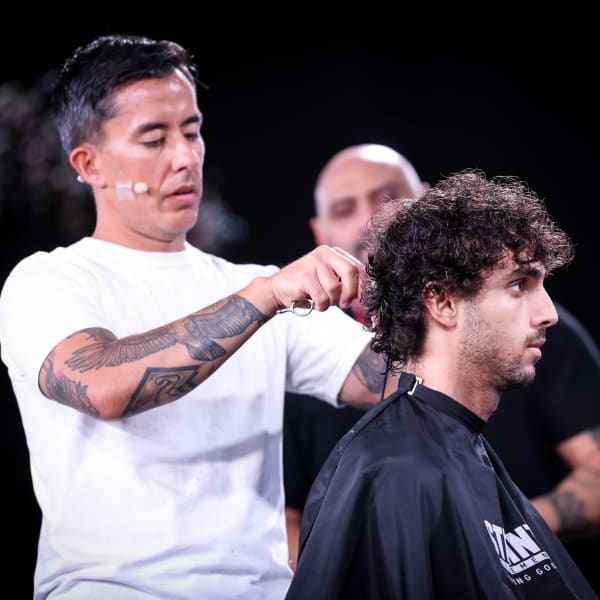
The Work Behind the Win: Road to NAHA Series Brings Artist Inside the Creative Process
A live education series explores the ideas, collaboration, creative decisions and processes behind the winning work.
by Anne Moratto
 MENU
MENU SEARCH
The medical spa industry is booming. Many professionals from the traditional medical industry are jumping into the cosmetic procedure game and face a learning curve when it comes to pricing and compensating for services rendered. Having the right compensation structure for a medical spa is critical.
The medical spa industry is booming. Many professionals from the traditional medical industry are jumping into the cosmetic procedure game and face a learning curve when it comes to pricing and compensating for services rendered. Having the right compensation structure for a medical spa is critical. Our industry has some of the highest payroll expenses of any type of business, and therefore, when it comes to compensation, there is very little room for mistakes. Many owners are paying compensation that is not profitable for their business nor holds accountability for their team in meeting performance goals. It is important to have a pay structure that is fair and equitable for you as a business owner, as well as for your team.
Compensation is a combination of what you pay your employees plus the benefits you provide. The right benefit program is important because it helps you distinguish yourself from the competition. It can also be used as a tool in staff retention when you factor in vacations, paid education, retail commissions, health insurance, and special employee pricing on products and services. The days of paying a straight 50 percent commission to spa service providers are coming to an end as business owners are realizing there is not a profit to be made under this structure. There are many types of pay structures out in the market today, and no matter what type you choose, the numbers have to add up to the right percentage in order to maintain profitability. Medical professionals such as R.N.s and physician's assistants most likely will be used to salaried positions, so they will need to be trained on and transitioned into performing services based upon dollar incentives or commissions. Spa professionals such as estheticians and massage therapists may be used to commissions and it is important for you to take into consideration that you are bringing two different types of professionals together, and accountability goals may be new to both of them.
Team Member Compensation
All employees should be compensated with a base and/or a commission salary package. This can vary depending on the position and commission percentage due to services performed. An R.N. may have a higher hourly wage such as $20 to $25 plus tiered commissions of 2 to 5 percent on services performed. An esthetician may earn $10 to $15 per hour with 35 to 45 percent tiered commissions. You would pay the base draw or the commission—whichever is greater. Also, service providers should be eligible to participate in a retail commission program. The following are four ways to track a service provider's performance and pay them accordingly:
Pre-booked percentage The pre-booking number comes from the number of clients in a pay period who have scheduled their next appointment with the service provider. If the service provider saw 40 clients during the pay period and 20 of them booked their next appointment before leaving, his or her pre-booking percentage would be 50 percent because half of the scheduled clients are pre-booked for their next appointment.
Retention percentage This refers to the number of clients seen in a pay period who return and request a specific service provider. If the service provider saw 40 clients during the pay period and 20 of them were return requests, the provider's retention percentage would be 50 percent because half of the scheduled clients were repeat business.
Premium service percentage This percentage is determined by identifying service categories such as medical-grade peels, eyelash tinting, tanning, and microdermabrasion that have a higher ticket price and require clients to come in with frequency in order to maintain the service, making them more likely to be loyal to a service provider or business. Suppose a service provider had $4,000 in gross service sales for the two-week pay period and $2,000 of that total came from chemical peels and microdermabrasion. Divide $4,000 gross service totals by $2,000 chemical totals, and your chemical percentage would be 50 percent.
Retail percentage This percentage is derived by dividing the service provider's retail product sales during the pay period by their service sales. For example, if a service provider generates $2,000 in service sales during the pay period and in addition sells $300 worth of retail product to his or her client, divide $2,000 by $300 and you would get a 15 percent retail percentage to service dollar sales.
Paying commissions and holding people accountable are well-established methods in other industries and work very effectively in a medical spa when training is provided. Employees naturally perform better with incentives. The harder they work, the more they can earn, based upon productivity. It's a win-win situation for everyone involved.
Bryan Durocher is the founder of Durocher Enterprises, which provides coaching, consulting, global industry trends, and marketing solutions for spas and medical spas.
www.durocherenterprises.com
A live education series explores the ideas, collaboration, creative decisions and processes behind the winning work.
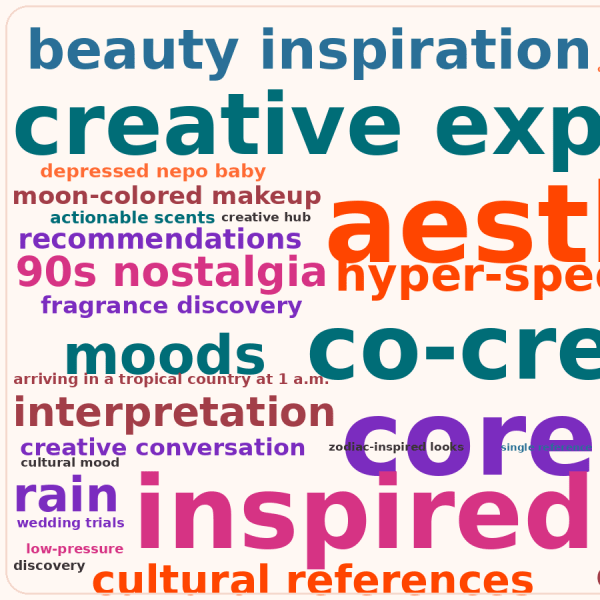
According to the report, people are moving away from copy-paste trends and toward community, using real experiences to develop a sense of taste and beauty that reflects who they are.

Hairstylists and barbers can showcase their creative and technical vision in two global categories with cash prizes and a chance to represent in Portugal.
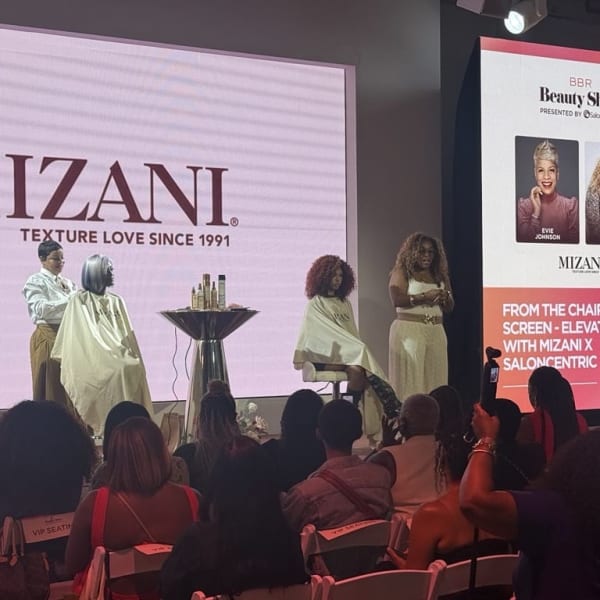
The BBR Beauty Show featured a prominent speaker lineup including Lacy Redway, Karrueche Tran, Danessa Myricks, Chelley B., Sabrina Elba, Jessica Harris-Dupart, and more.
The Professional Beauty Association and Pivot Point team up to develop an ongoing study that measures the confidence of salon owners, stylists, school owners, and students.
This shared recognition celebrates the strength of industry collaboration in advancing professional mobility.
In Dubai, a salon visit isn’t an appointment. It’s a weekly routine, and clients can spend $800 to $1,400 a month on it, according to Gaurav Tripathi of MADI International. On October 6-8, 2026, the market behind those numbers opens its doors as Beautyworld Dubai marks its 30th edition at the Dubai World Trade Centre, bringing together distributors, brands, stylists and salon owners from all over the world.
Sponsored by BeautyWorld Dubai
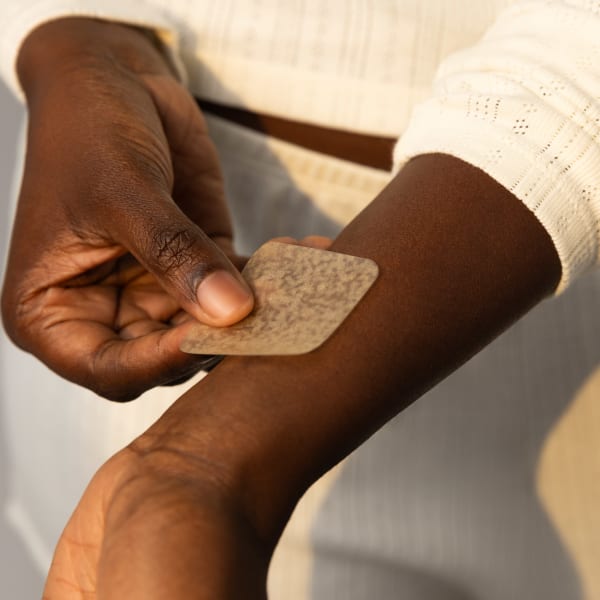
The Good Patch is a leading wearable wellness patch brand, offering wellness and skincare patches that support everyday needs including energy, sleep, relaxation and more.
Four publications for beauty industry professionals to enhance their leadership skills, financial awareness, professional growth, and joy!

Ulta Beauty has announced its partnership with Black Beauty Roster to launch the pilot of All Textures Certification (ATC). The new program is aimed at addressing gaps in education within the beauty industry and raising the level of skills and guest satisfaction for all.
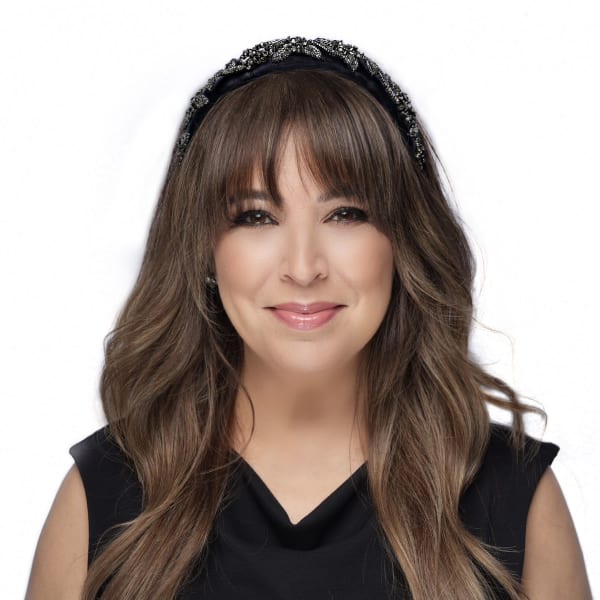
Mireya Villarreal, founder of From Chair to Boss™, is bringing together beauty industry leaders for a new one-day educational event designed to help salon professionals strengthen the business side of their careers. From Chair to Boss Live! will take place September 28 at the Hilton Oak Brook Hills Resort & Conference Center in Oak Brook, Illinois.
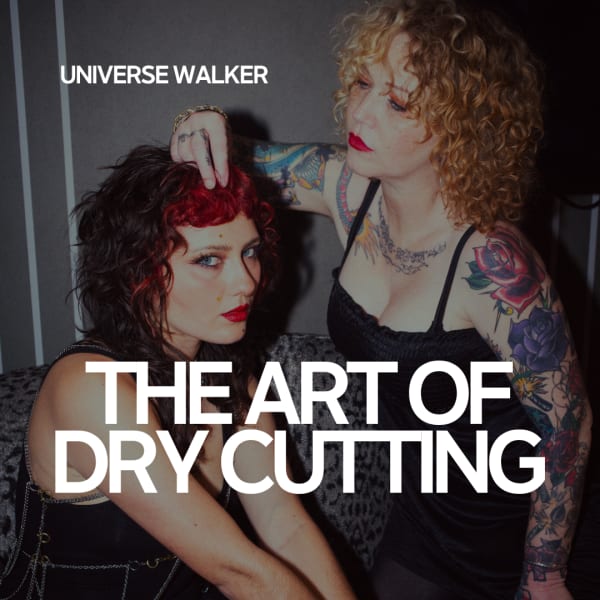
Salon owner, tech founder, and educator Universe Walker will bring her signature workshop, The Art of Dry Cutting, to Brooklyn on July 20, offering stylists a chance to deepen their understanding of shape, movement, texture, and dry cutting.
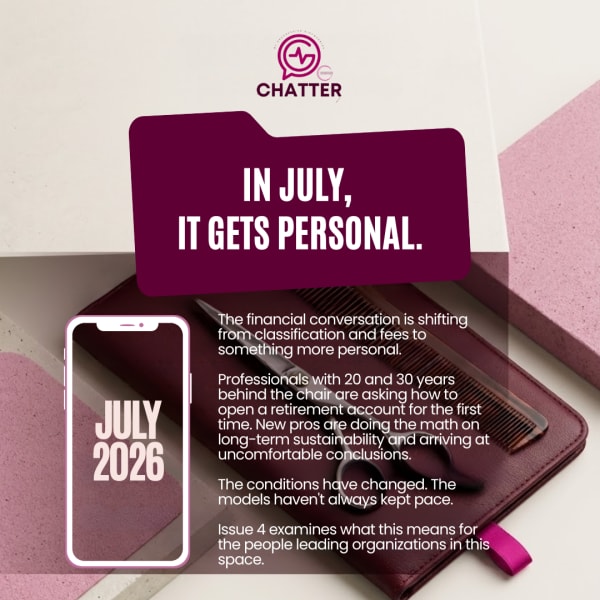
As part of our ongoing commitment to sharing resources that help beauty professionals stay informed, we thought it was worth introducing our audience to The Chatter and the unique perspective it brings to industry conversations.
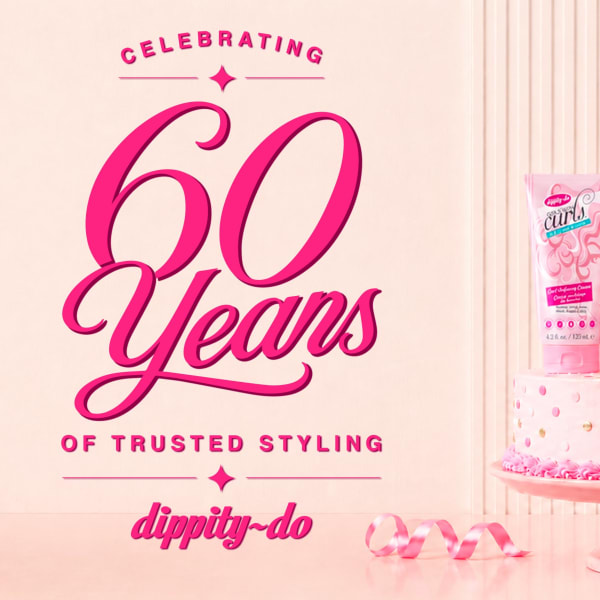
Celebrating 60 years in haircare, Dippity-Do is honoring its styling heritage with its Girls with Curls collection, a reimagined Light Hold Gelée inspired by the brand's original 1965 styling gel.
Covet & Mane has expanded its Pro Color System with the launch of Color Boost Drops, completing what the company says is the first professional color system engineered specifically for hair extensions.
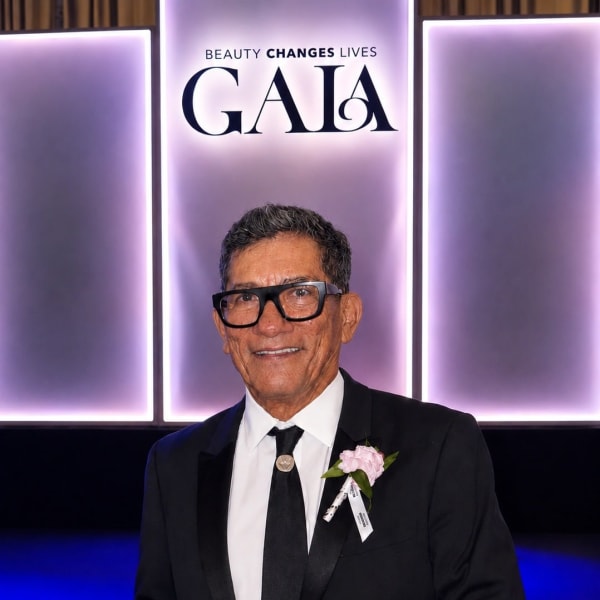
The 2026 Beauty Changes Lives Legacy Award has been awarded to Sam Villa for his trailblazing contribution, advocacy and mentorship that has profoundly transformed and elevated the professional beauty industry.
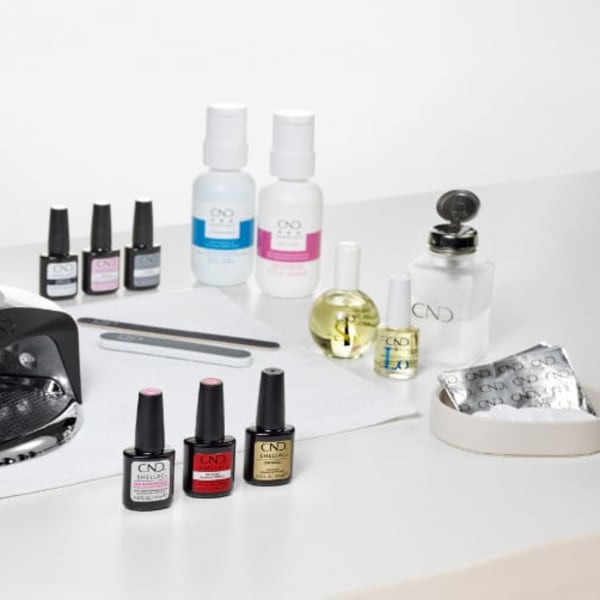
CND is relaunching its SHELLAC system with a new CND Visible Light Lamp, updated packaging, and an expanded shade offering.