



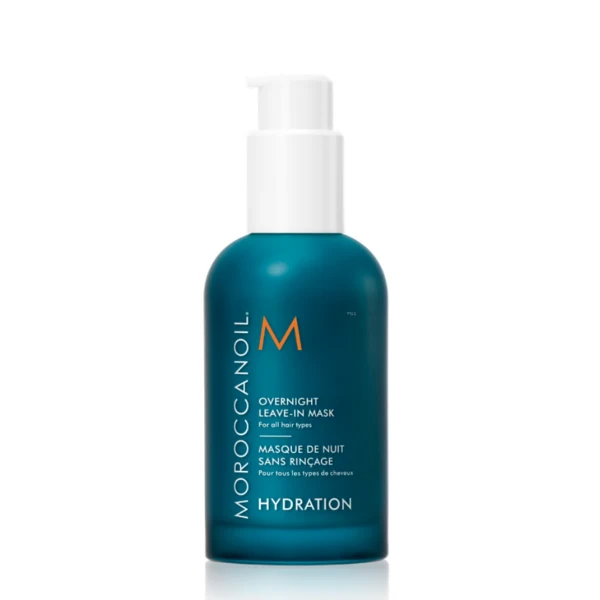
Moroccanoil Introduces Overnight Leave-in Mask: The Ultimate Treatment for Deep Hydration and Lasting Smoothness
Moroccanoil's new hair mask features innovative vegan snail mucin to help seal in moisture and smooth hair overnight.
 MENU
MENU SEARCH
Before the pixie cut became a Hollywood symbol of modern femininity, it was already living, breathing, and evolving in Black culture. Texture expert and Moroccanoil Global Color Ambassador Greg Gilmore gives us an overview of the iconic Black women who popularized the pixie over the past century.
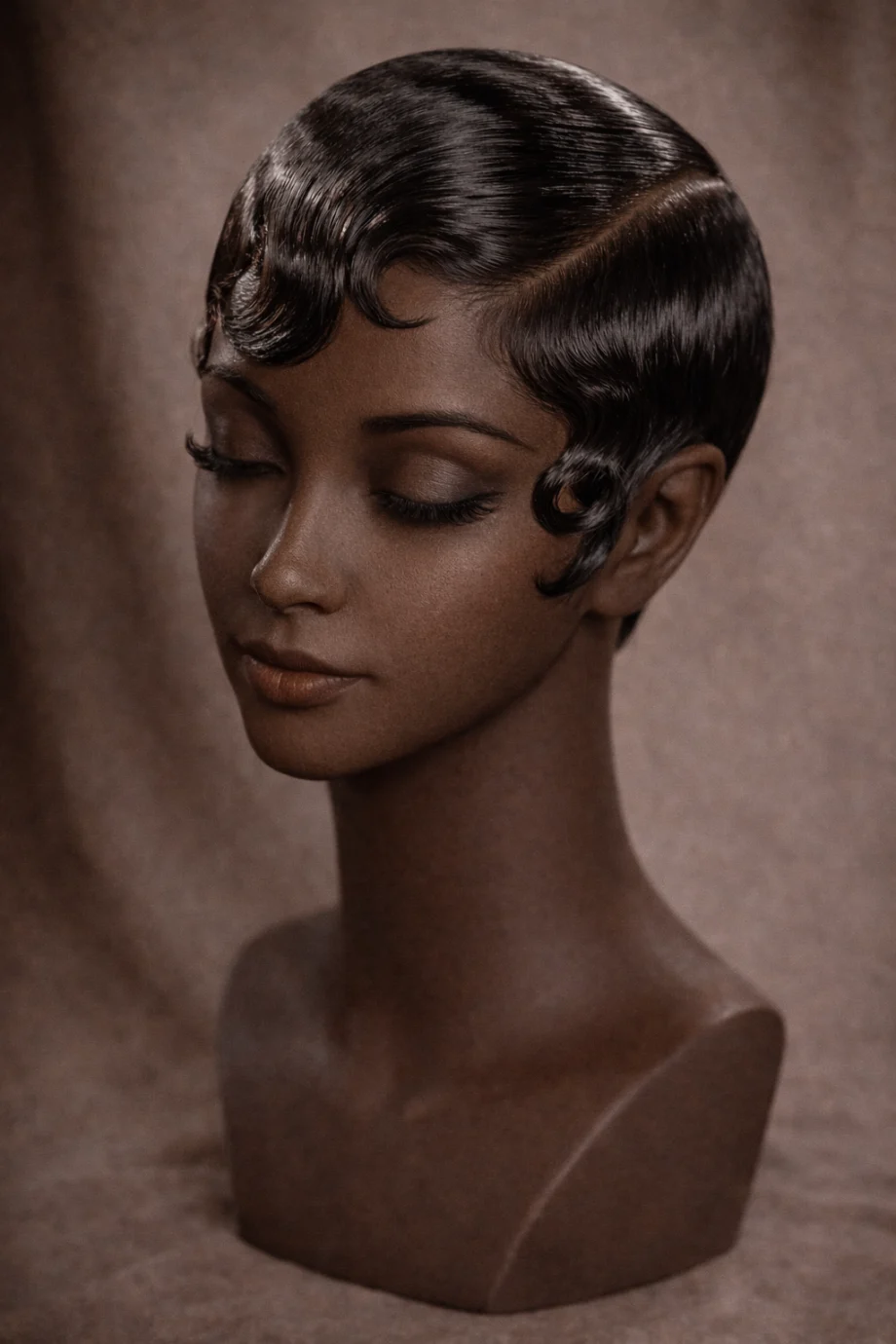
Hair Inspiration: Josephine Baker
This image was AI-generated using ChatGPT. Refer to our Terms of Use.
Before the pixie cut became a Hollywood symbol of modern femininity, it was already living, breathing, and evolving in Black culture. For many Black women, short hair was never just a trend. It was a declaration, a statement that reflected independence, confidence, and identity. In a world that often tried to define beauty through a narrow lens, Black women used short hair to rewrite this narrative for themselves.
If we're going back in time, we have to start with the iconic Josephine Baker (image), the first global silhouette. When Josephine Baker arrived in Paris in 1925, the world had never seen anything like her. Women were already cutting their hair shorter during the flapper era, but Baker's slick finger waves and cropped styles carried a different kind of energy. Her look was more than just fashionable or fly. It was powerful. She presented a bold, modern image of Black beauty on an international stage, challenging stereotypes and expanding what glamour could look like for Black women everywhere.
Fast-forward about two decades, and we come to the full arrival of short hair with the award-winning actress Pearl Bailey (image). By the 1940s, Pearl Bailey appeared on screen in "Variety Girl" (1947) wearing a polished short hairstyle. Pearl wasn't cutting her hair to rebel, as a short haircut often symbolized; she wore it that way because it matched her presence. Her short hair didn't signal escape; it signaled arrival. She expanded the visual language of femininity for Black women at a time when Hollywood beauty standards were overwhelmingly Eurocentric.
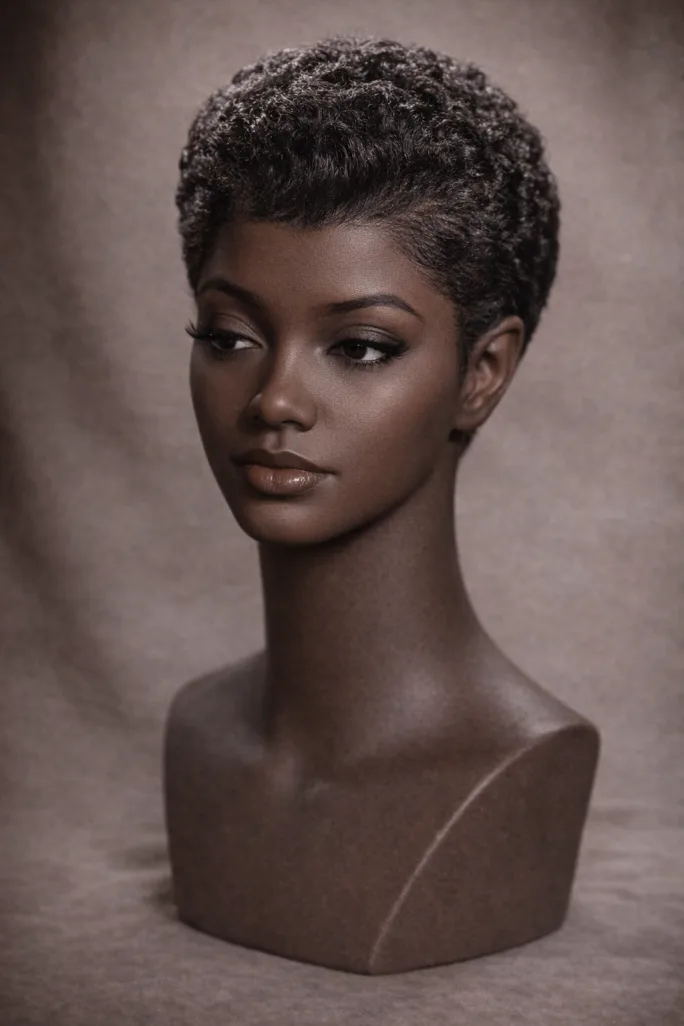
Hair Inspiration: Pearl Bailey
This image was AI-generated using ChatGPT. Refer to our Terms of Use.
Moving into the 1960s, which I could call the pixie's "statement years," we have Nina Simone, Diahann Carroll, and Eartha Kitt shaking up our visual context with intelligence, sophistication, confidence, and sensual attraction. By this time, short hair among Black women had begun to carry a deeper social meaning. Women like Nina Simone, Diahann Carroll, and Eartha Kitt wore their short styles like shields of armor and honor. Their short cuts seduced us like subliminal poetry, like quiet yet powerful revolutions.
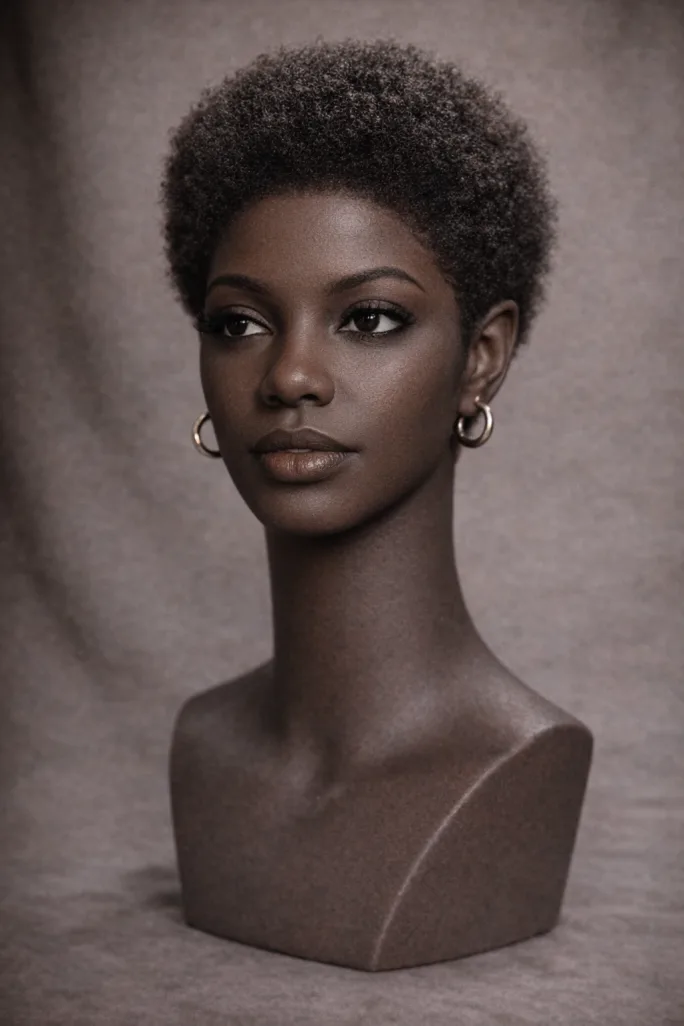
Hair Inspiration: Nina Simone
This image was AI-generated using ChatGPT. Refer to our Terms of Use.
Nina Simone's cropped natural (image) projected conviction and intellect at a time when straight hair was often tied to respectability, disrupting the more conservative standards at the time. Diahann Carroll's refined short cut (image) on the television show "Julia" presented a professional Black woman in a leading role, which was something rarely seen at the time.
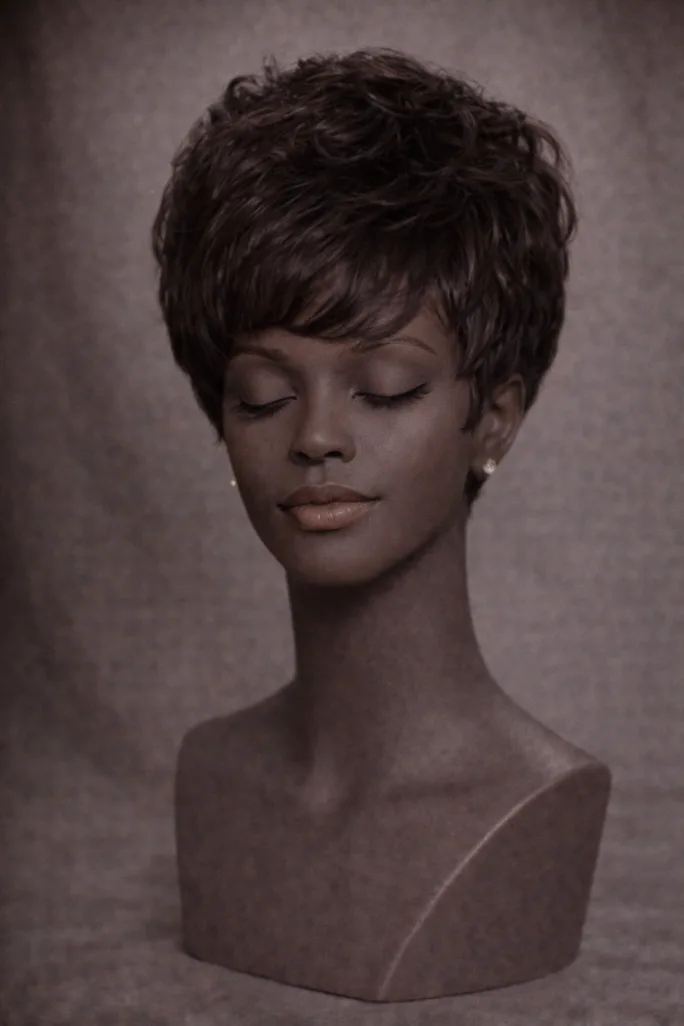
Hair Inspiration: Diahann Carroll
This image was AI-generated using ChatGPT. Refer to our Terms of Use.
And Eartha Kitt's sculpted styles (image) framed a presence that was sensual, intelligent, and unapologetically glamorous.
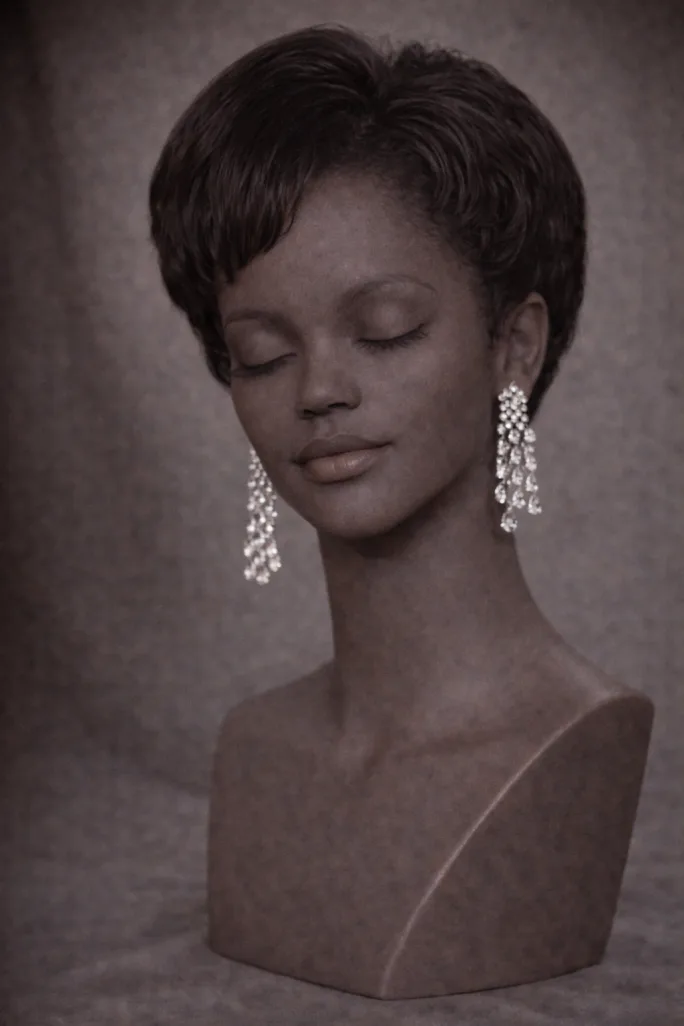
Hair Inspiration: Eartha Kitt
This image was AI-generated using ChatGPT. Refer to our Terms of Use.
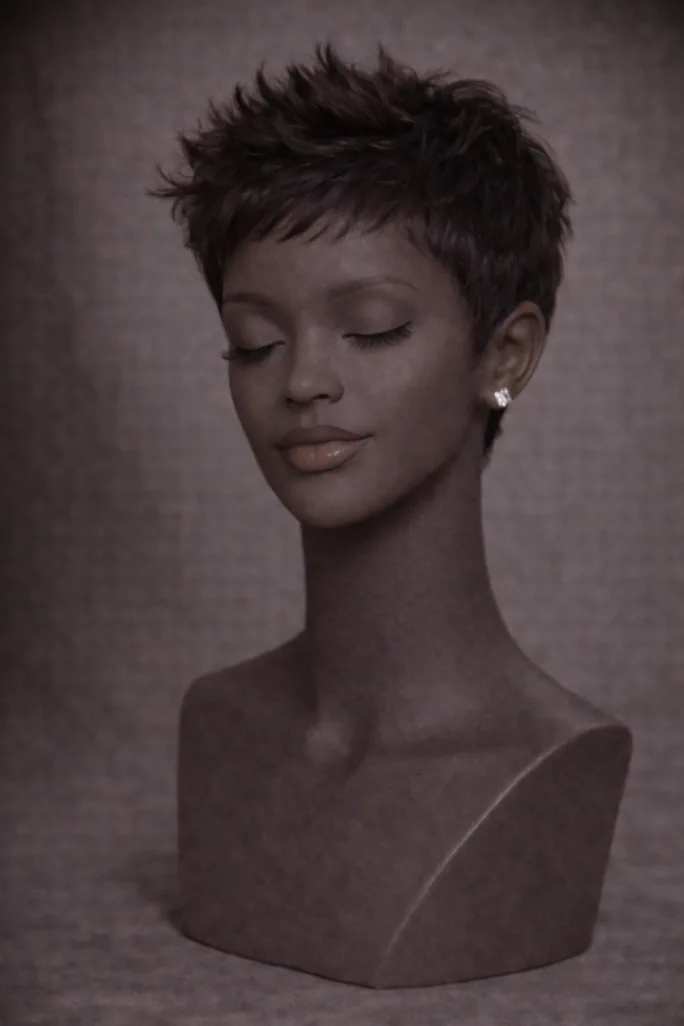
Hair Inspiration: Halle Berry
This image was AI-generated using ChatGPT. Refer to our Terms of Use.
As we entered the 1990's, the blueprint had already been given, leaping us into what felt like a "90's Pixie Renaissance". Short hair on Black women transitioned into another defining chapter, further defining them with red carpet appearances, album covers, and even more movie screens.
Academy Award-winning actress Halle Berry (image) made her close-cropped pixie one of the most recognizable silhouettes of the decade in memorable roles such as Angela Lewis in “Boomerang” (1992); Natalie in “Strictly Business” (1991), and “The Flintstones” (1994), where she played a seductive, short-haired secretary named Sharon Stone. It became her signature, helping shape her image as both elegant and edgy. Her cut has become one of the most iconic and recognizable short hair silhouettes in Black American history. That haircut stood out in an era dominated by long, flowing styles, and it helped cement her identity as a leading woman who didn’t need traditional beauty codes to be seen as glamorous.
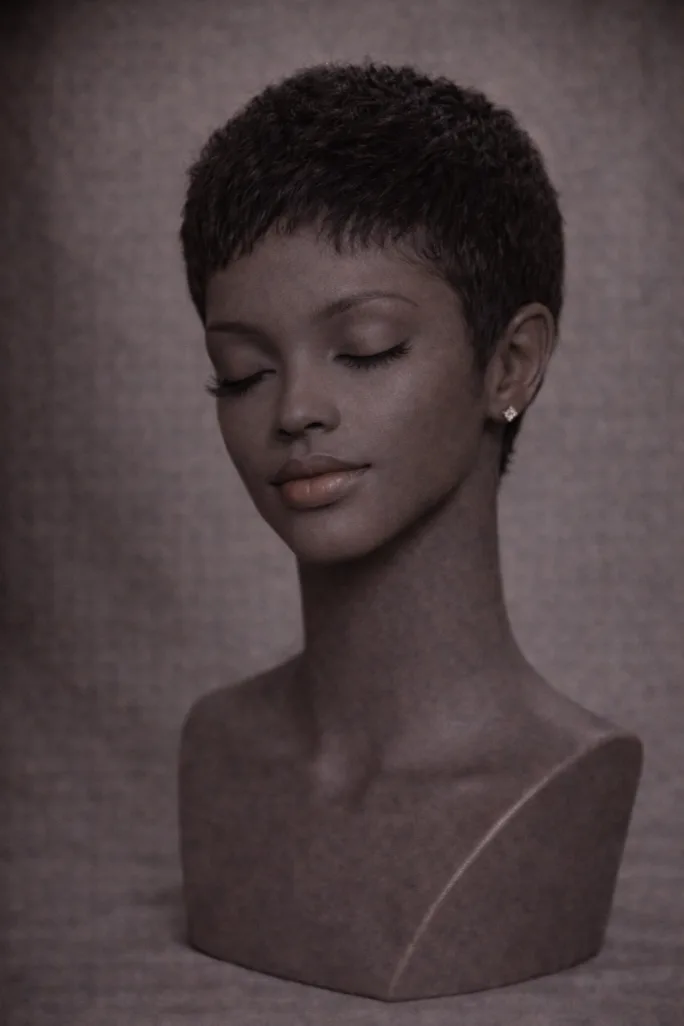
Hair Inspiration: Toni Braxton
This image was AI-generated using ChatGPT. Refer to our Terms of Use.
At the same time, Toni Braxton (image) arrived with her short, sculpted crop and a voice that carried pure emotion. The release of her self-titled debut album, “Toni Braxton,” turned her into a household name and forever cemented her jet-black pixie cut in pop culture iconography. It became inseparable from her image, which portrayed her sleek, vulnerable, and sensual persona as powerful and confident. It redefined what an R&B star could look like, proving that softness and femininity didn’t have to come with long hair.
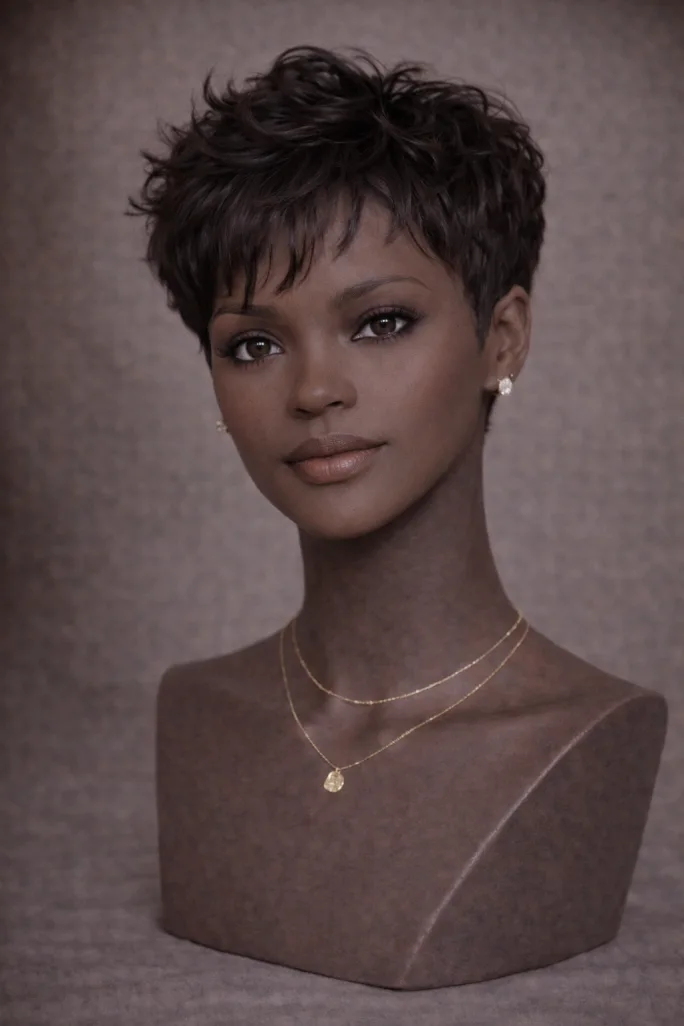
Hair Inspiration: Nia Long
This image was AI-generated using ChatGPT. Refer to our Terms of Use.
And then there was Nia Long (image). Her pixie cuts in films like "Boyz n the Hood" (1991) and "Friday" (1995) helped define the look of the cool, confident, and self-respecting Black woman of the ‘90s. Her style felt effortless, natural, youthful, and real. For many women, her short hair represented a kind of everyday beauty that felt attainable, modern, and self-assured.
Halle, Toni, and Nia turned the pixie into a ‘90s power statement that was sensual, modern, and unmistakably Black.
In more recent years, Rihanna (image) has used short hair to signal reinvention across different musical eras, proving how powerfully hair can shape a public persona.
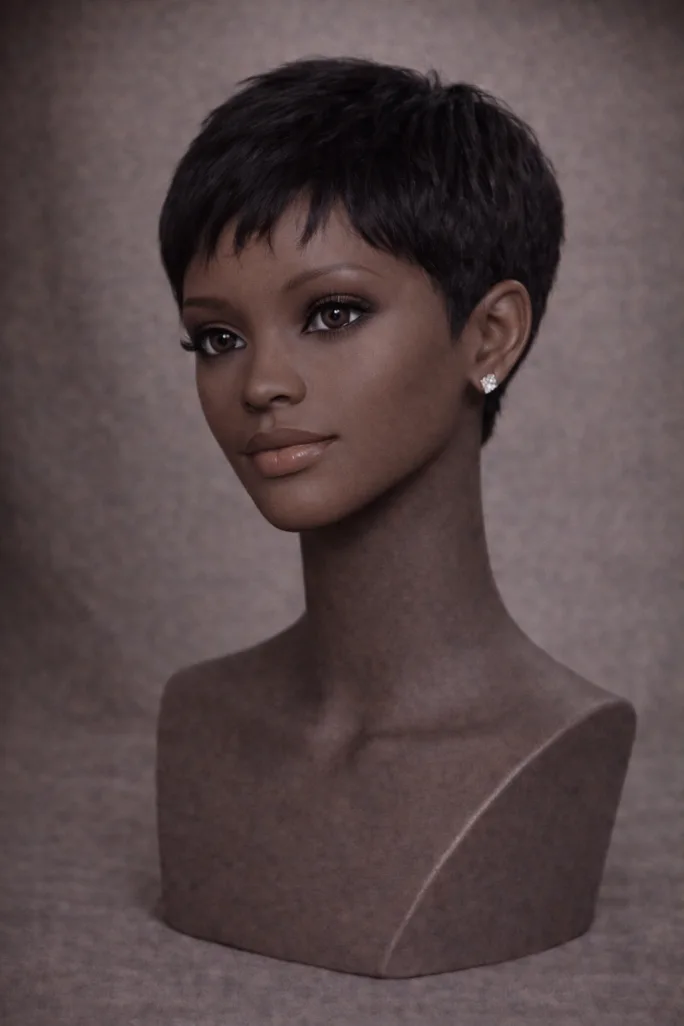
Hair Inspiration: Rihanna
This image was AI-generated using ChatGPT. Refer to our Terms of Use.
And today, Teyana Taylor (image) stands among the strongest contemporary pixie icons in Black culture. Her close-cropped styles feel athletic, feminine, sharp, and unapologetically confident. She wears her pixie not as rebellion, but as authenticity.
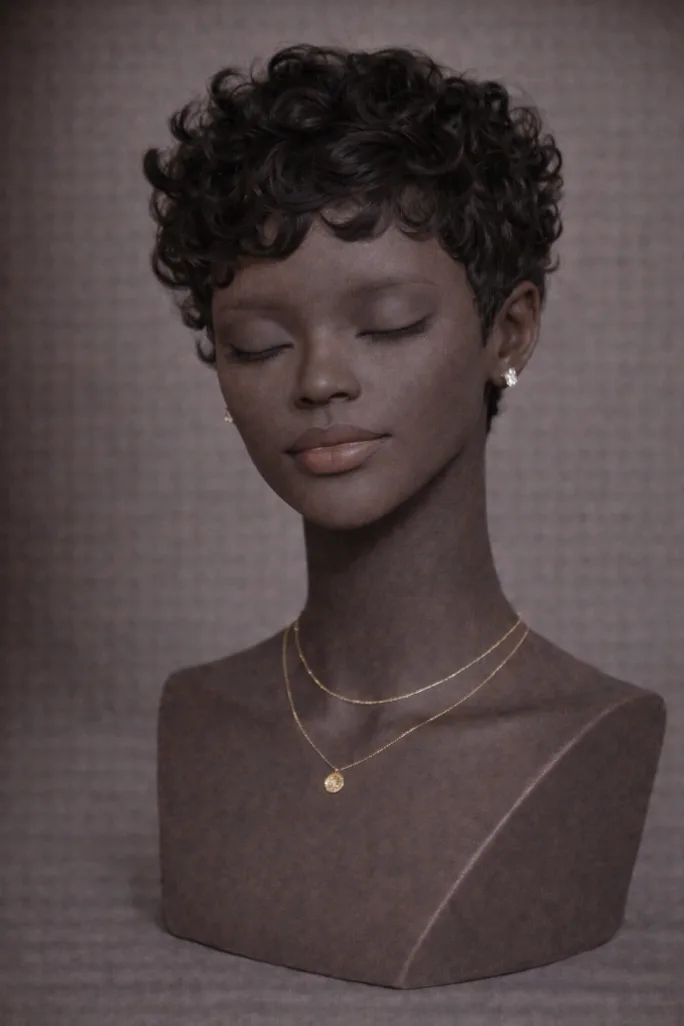
Hair Inspiration: Teyana Taylor
This image was AI-generated using ChatGPT. Refer to our Terms of Use.
Rihanna and Teyana Taylor continue the legacy of short hair as a symbol of confidence, reinvention, and self-definition.
Mainstream fashion history often credits Audrey Hepburn (image) with popularizing the pixie after her iconic haircut scene in "Roman Holiday" (1953). The moment symbolized freedom and self-discovery and helped make the short cut globally desirable.
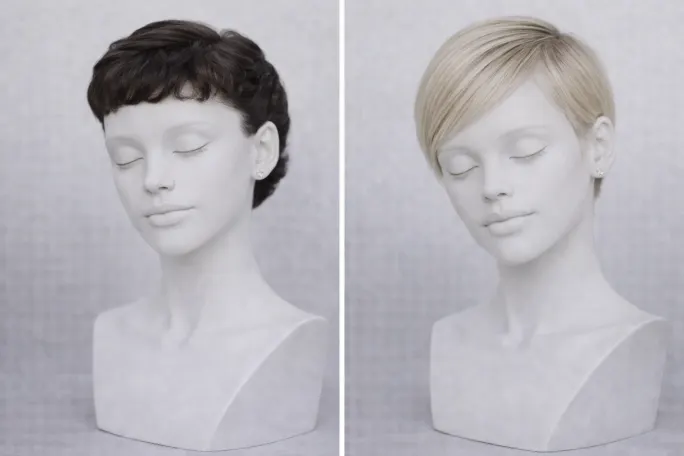
Hair Inspiration: Audrey Hepburn & Twiggy
This image was AI-generated using ChatGPT. Refer to our Terms of Use.
A decade later, Twiggy’s 1966 crop (image) helped define the mod aesthetic and the youth-driven spirit of the era. Both Audrey and Twiggy gave the short haircut worldwide attention and popularity, but the truth is, by the time those images reached the mainstream spotlight, Black women had already been wearing, shaping, and redefining short hair for decades.
When you line them all up - Josephine, Pearl, Nina, Diahann, Eartha, Halle, Toni, Nia, Rihanna, and Teyana - you begin to see the pattern. Short hair wasn’t just a look. It was a message. Sometimes rebellion. Sometimes refinement. Sometimes just a quiet declaration: "This is who I am," and what we can take away from this is that…
…a strong silhouette doesn’t just change how the world sees you.
It changes how you see yourself.
Once that happens, everything else has to catch up.
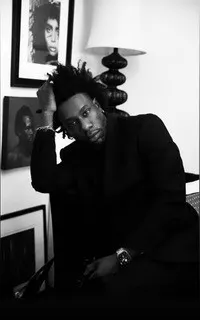
Contributing Writer Greg Gilmore
photo courtesy of Greg Gilmore
Moroccanoil's new hair mask features innovative vegan snail mucin to help seal in moisture and smooth hair overnight.
Are your blondes feeling blah? Give ’em a lift with LightDimensions SilkLift Strong
Sponsored by Goldwell
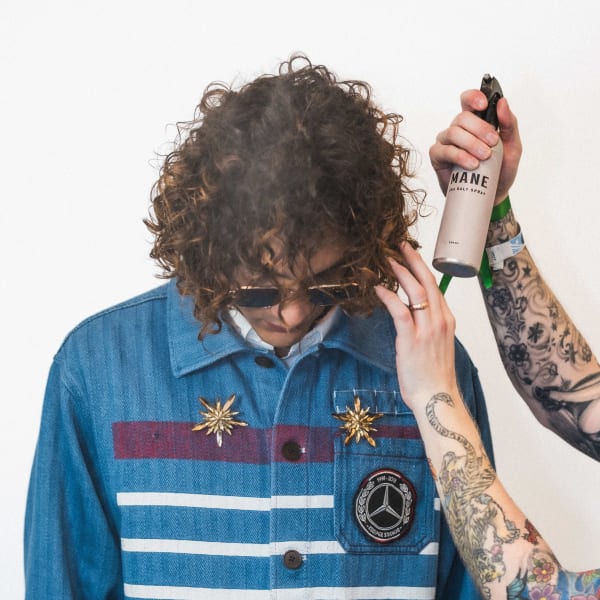
Renowned international session stylist, Richard Phillipart chooses sustainable styling brand to create 48 unique looks celebrating natural texture and individuality.
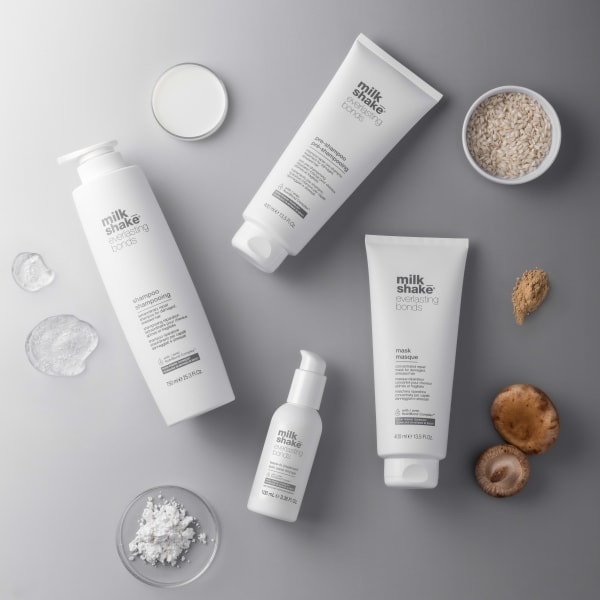
milk_shake everlasting bonds, the new professional bond repair system, is formulated to rebuild the hair’s structure while delivering softness, shine and effortless manageability.
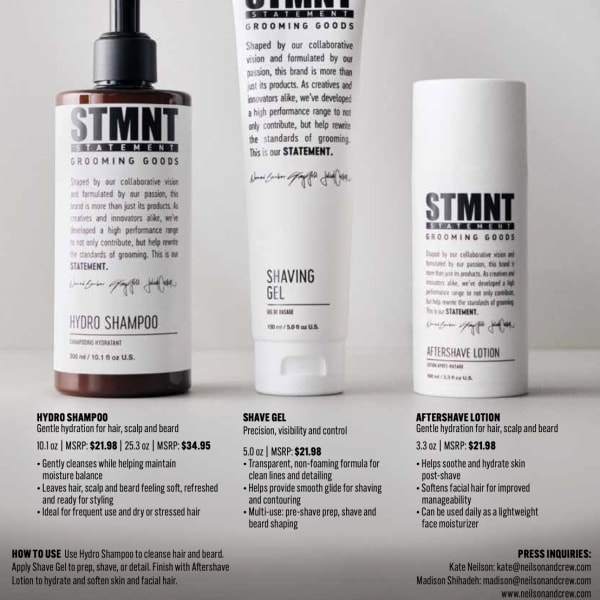
STMNT Grooming Goods is expanding into the shave care category with three new additions to its lineup.
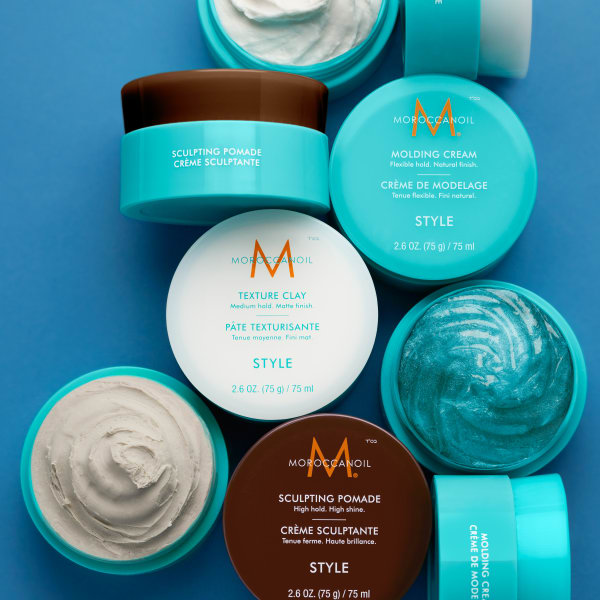
The launch of Moroccanoil's Sculpting Pomade highlights a renewed focus on styling within the brand’s iconic haircare lineup, advancing the category with elevated formulas, refreshed packaging, and a clearly defined trio of styling essentials.

Curl Cult founder Janine Jarman, a hairstylist, salon owner, educator, and product creator, is opening a community investment round that gives hairdressers and clients the opportunity to own a stake in the company they helped grow.
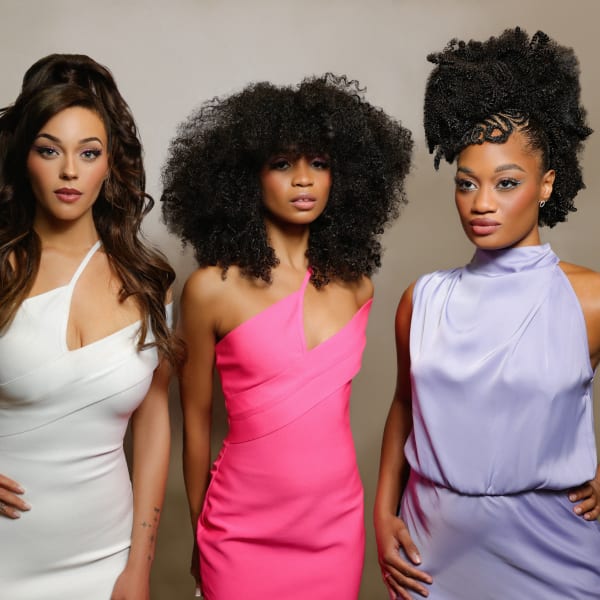
With Structured Texture: Runway Shapes, Real-World Textures, Monae Everett wanted to bridge the gap between high-fashion hair and the real textures stylists work with every day.
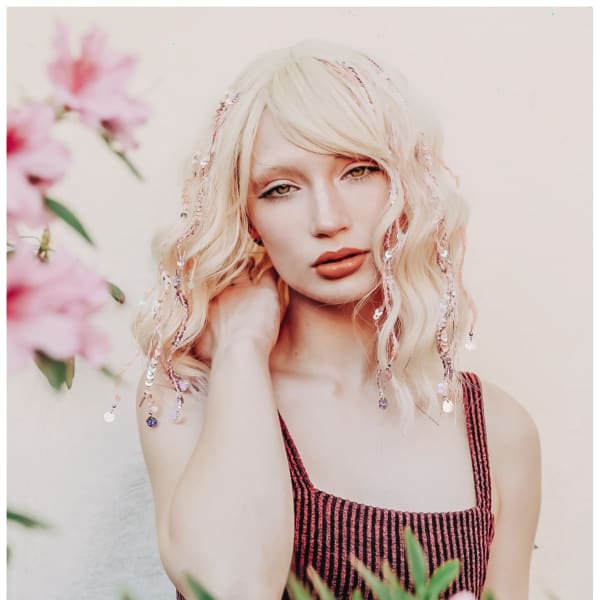
Bee Sam’s VanStrands blend shimmer, color, and customization into a trend-forward enhancement designed for modern salon clients.
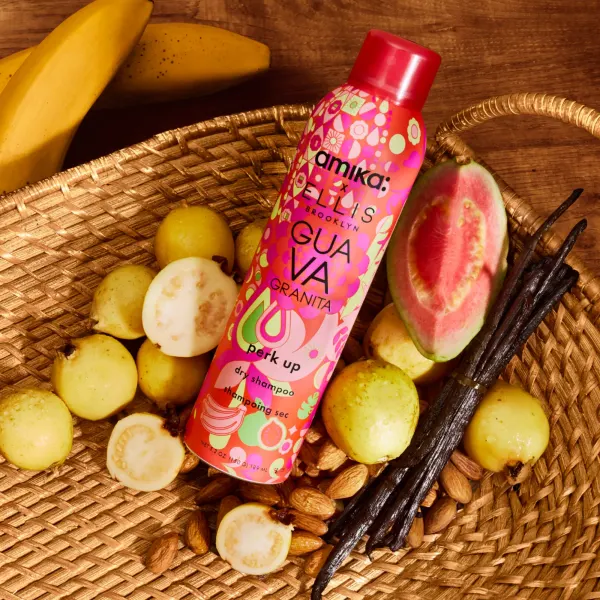
Perk Up Guava Granita Dry Shampoo is a juicy new launch from amika that puts a tropical twist on their bestselling dry shampoo with notes of guava, banana and vanilla inspired by sunshine, smoothies, and vacation energy in a bottle.
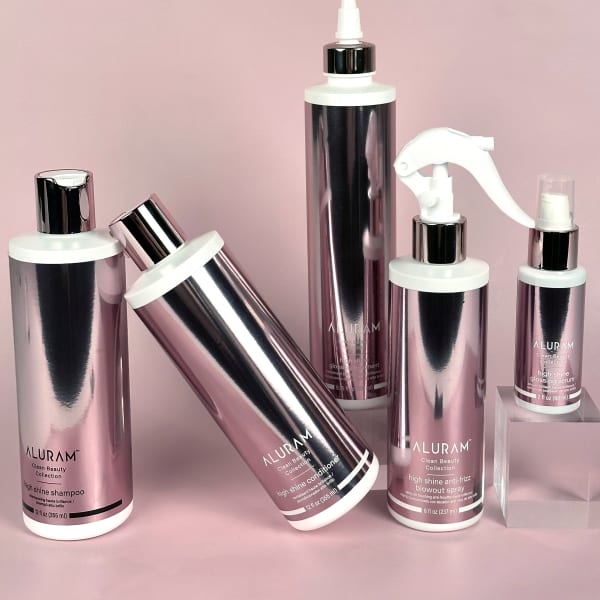
Shine Time: Aluram’s High Shine Line Delivers Moisture and Shine with Clean Ingredients
Sponsored by Aluram
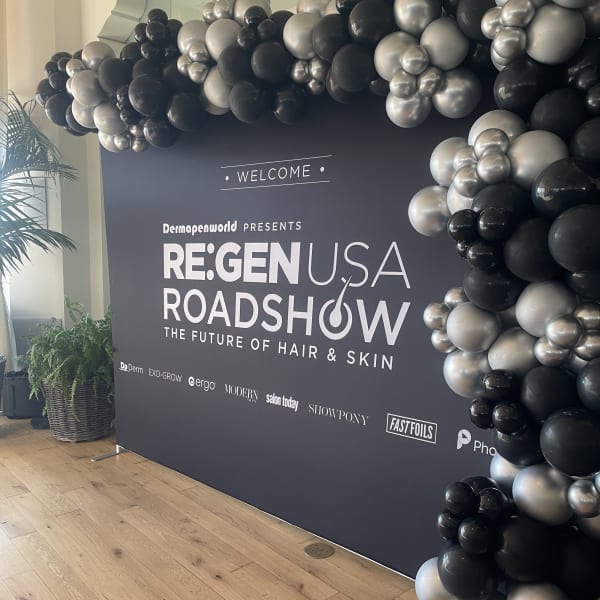
After a nationwide roadshow, DermapenWorld leaders share their biggest insights on the growing demand for hair loss solutions, and why education, empathy, and community are driving the conversation.
Oribe introduces an essential new addition to its iconic styling collection: Supershine Smoothing Wax Stick, designed for seamless styling.
The Paul Labrecque Salon salon is finding success --for stylists and clients, alike--offering scalp care and specialized treatments. MODERN spoke to Moine about how this focus meets an important need and drives client loyalty.
Romantic goth hairstyles are trending for 2026, and these Sebastian Professional artists have long anticipated the look.
Less frizz. No restrictions. Up to 3 months of smooth. Wella Professionals' SmoothFiller is the smoothing service your clients (and your revenue) have been waiting for.
Sponsored by Wella
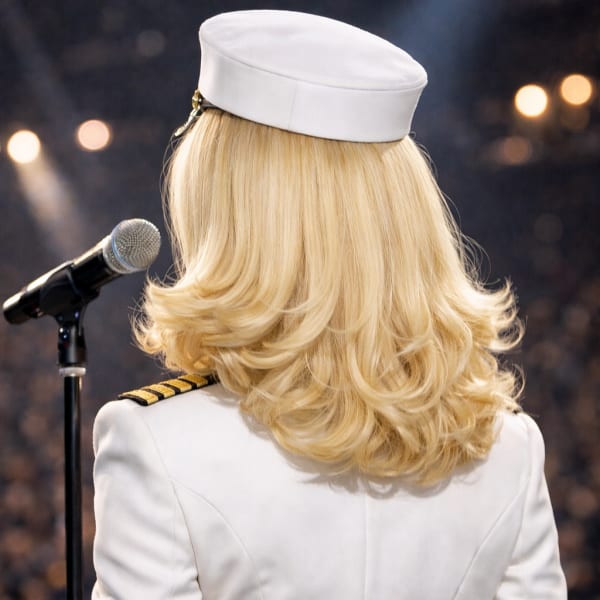
For her performance at the 2026 Grammys, Sabrina Carpenter wore a voluminous, retro flip bob created by celebrity hairstylist Evanie Frausto using Redken.