Modern Salon
MenuMENU
SearchSEARCH

12 Facts About Hair and Hair Color You Need to Know

At Wella’s Master Color Expert training, attendees learn everything from the anatomy of a hair follicle to how to consult with real clients, to everything in between.

Jamie Newman
Jamie NewmanSenior Digital Content Strategist
Read Jamie's Posts
December 22, 2016
12 Facts About Hair and Hair Color You Need to Know

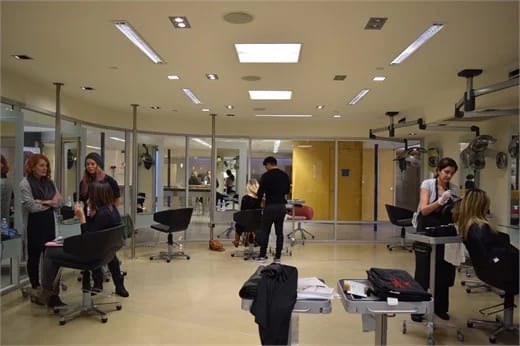
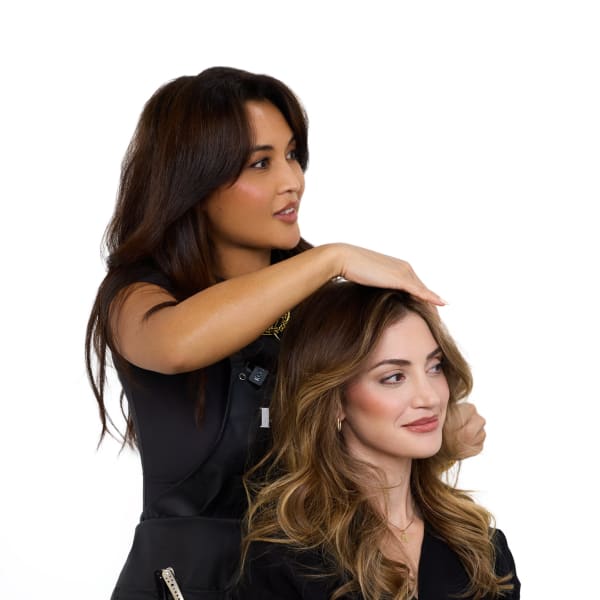
Thurman Hall gives some pointers during a color challenge with live models.

Jamie Newman

2 min to read


As a Master Color Expert, one is expected to become just that—a color master. Once participants have completed four prerequisite Color Craft courses within a 12-month period, they can sign up for Wella's Master Color Expert training. The MCE program has two phases—one and two—where attendees go through color boot camp before becoming a Wella Master Color expert at the end of phase two. 

During phase one, attendees learn everything from the anatomy of a hair follicle, to how to consult with real clients, to picking the right hair color based on client skin tone, and everything in between. That “everything in between” includes tidbits and nuggets of knowledge attendees might not have known before, thanks to the “catalyst of Master Color Expert knowledge” instructor Victoria Thurman Hall. Here are some stand-outs from the week.

Ad Loading...
Thurman Hall and MCE attendees during phase 1 of the program.
  1. Fine hair does NOT absorb color at a faster rate than coarse hair. Color absorbs at the same rate for all hair types, a fine hair follicle just has less space to fill up than a coarse hair follicle, causing the process itself to be finished quicker.

  2. You cannot apply red to ashy hair.

  3. Lightener can be used on hair that is too warm, too cool or too dark. For example, when coloring hair, if hair is slightly cool, you first must remove some of that coolness.

  4. The average color of the North American population’s hair is a level 4 (medium brown).

  5. Europeans/those of European decent have an average of 100,000 hairs on their head.

  6. Red hair is the most difficult to lift (yes, harder than black) because color can be concentrated in the cortex.

  7. Hair is usually made up of 12% water, but this varies on a person’s environment. In a humid area, a person’s hair can be made of up to 16% water, whereas in a dry environment it can be made up of as low as 10% water.

  8. Hair on the head grows, on average, at a rate of 1 mm every three days.

  9. The rate at which hair grows is based on how much androgen, the male hormone, a person has (yes, females have this too). But, too much androgen causes hair loss.

  10. Hair is pronounced dead as soon as it comes off the scalp.

  11. A single strand of healthy hair can support 6.5 lbs of weight.

  12. During chemotherapy, people lose their hair due to the fact chemo is designed to go after fast-moving cells, like hair.

Subscribe to Our Newsletter

More Color

Ad Loading...
Color|Articles|Apr 17, 2026

Dazzle With Shiny Haircolor

Craft with confidence, challenge your creativity, work from inspiration. Prepare your chair for every canvas with Moroccanoil's expanded color lines and advanced technology.

Sponsored by Moroccanoil

Color|Articles|Apr 3, 2026

Step-by-Step: How to Create the Modern Ombre

Create a look of quiet luxury with this modern take on ombré, featuring beautiful dimension and depth with strategic pops of blonde around the face and ends. The initial effect is bright and beautiful, with purposefully placed depth creating longevity as the hair grows out.

Ad Loading...
Ad Loading...