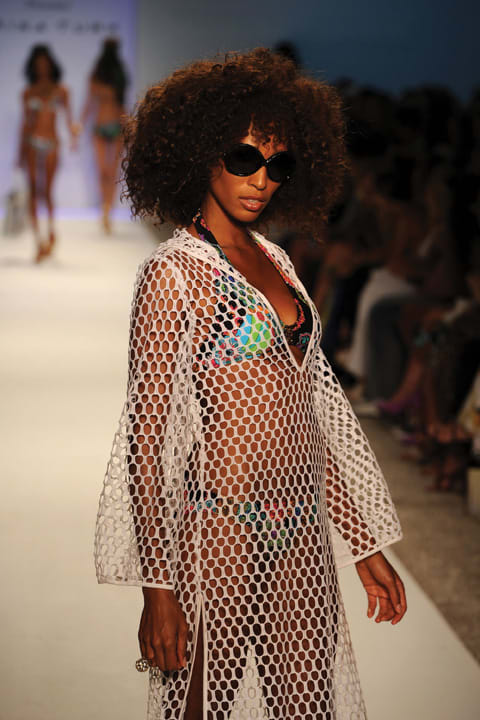
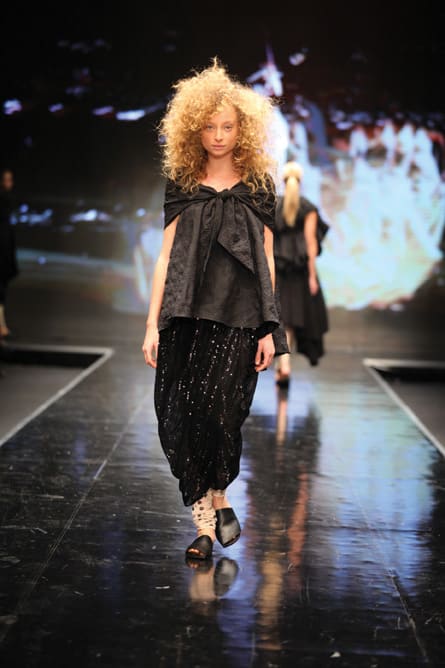
The spotlight is on texture in the fashion industry, and we don’t mean tweeds, wools and ruching. Curls, kinks and waves are front and center on the runway this season.
The spotlight is on texture in the fashion industry, and we don’t mean tweeds, wools and ruching. Curls, kinks and waves are front and center on the runway this season.
Sleek, flat locks are a thing of the past on the runway as fashion designers and hair stylists draw inspiration from the textured-hair revolution taking place around the world. Together, they have resurrected the art of the curl and are putting it center stage in fashion shows everywhere.
The versatility of texture provides stylists with an infinite amount of creative possibilities for designing high-drama, high fashion, haute couture hair to complement the equally dramatic clothing created by renowned designers.
“Rather than sleek, straightened hair, what we’re seeing more and more of in fashion is a celebration and enhancement of texture,”says runway and celebrity stylist Danilo.
Consumer Influence
The fashion industry draws its inspiration not only from other cultures and eras, but also from what’s happening on urban streets. Tammy Mixon of Farouk’s Global Artistic Board says she has noticed more consumer awareness of the damaging potential of double processing hair.
“We’re seeing more coloring, and as a result, less straightening treatments, so naturally there has been a reemergence of textured hair,”says Mixon.
Additionally, via websites geared toward textured hair like naturallycurly. com, and a wide network of curly-haired bloggers and vloggers, there has also been a large increase in consumer education of how to work with and wear natural texture.
“That’s the beauty of having an educated population: a multi-textured world,” says Anthony Dickey, lead stylist and founder of Hair Rules.
As the number of people wearing naturally textured hair increases, designers are picking up on this global trend and incorporating texture into their runway presentations.
“I think designers are also finding inspiration in models who are unapologetically sporting their natural hair,” says Dickey. “By incorporating naturally existing textures into their runway shows, designers create a more distinctive and authentic presentation to complement their unique aesthetics.”
On the Runway
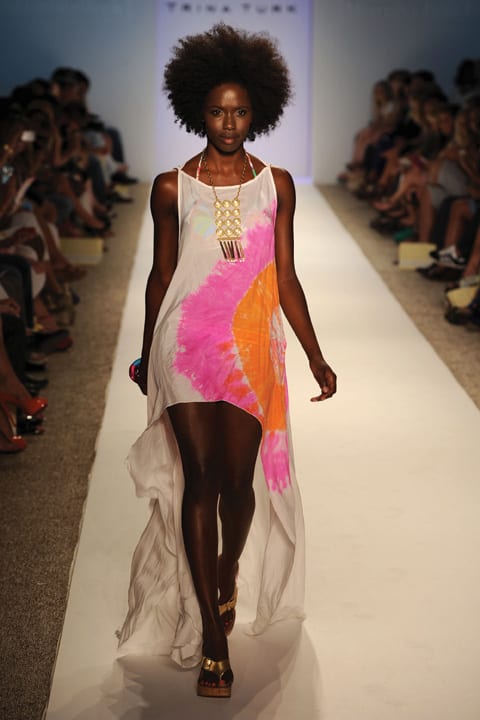
Textured hair on the runway comes in a wide variety of forms depending on the designer’s overall concept. From loose waves to tightly kinked afros, stylists are exploring all options.
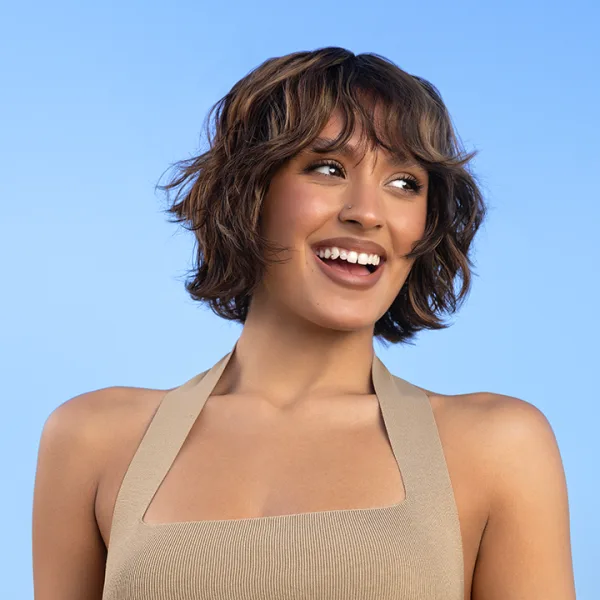
“This year we were seeing a lot of what we call ‘third-day hair,’” says Cutler salon stylist Mike Martinez. “It’s big, loose natural waves that create a sort of undone look.”
Another popular look is created from tighter curls that have been deconstructed for a voluminous look with a lot of movement. “This is a style I want to see more of,” says Mixon. “The bigger the better!”
Frizz has also become a fashionforerunner, according to Danilo: “I love the drama of frizz. It’s got a really playful structure.”
Working with a model’s hair texture, whether it’s frizz or flat, is becoming a popular method for runway stylists. Carlos Fernandez of LuxeLab, who is known for his innovative work in enhancing texture for runway shows, likes to adapt a model’s hair texture to the runway concept.
“If a look is straight with a deep side part, but a model has super kinky hair, I won’t necessarily blow the hair straight, but I will work to enhance the natural texture and incorporate the deep side part. It looks better on the model and is less work for the stylist,” he says.
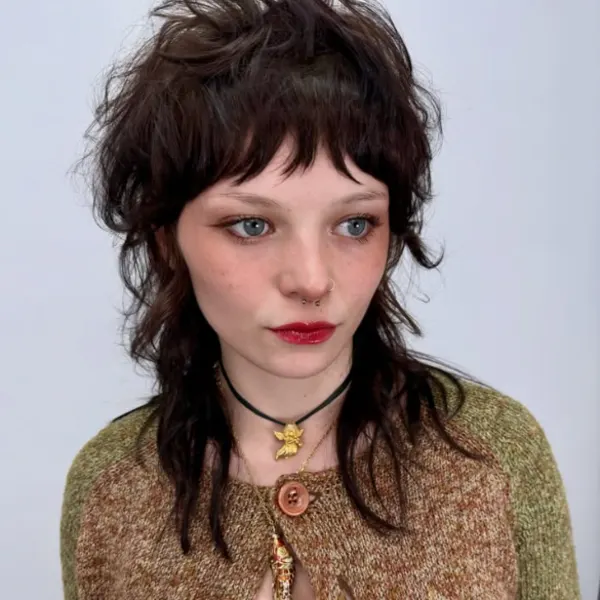
However, texture isn’t always seen in variations of curls and waves, it’s also seen in the introduction of braids, twists, buns, knots and crimped pieces to the hair.
“Texture is about adding a bit of intrigue to the hair,” says Martinez. “It’s taking the extra step to add a bit of drama where the audience least expects it. That’s where you go from a normal salon style to a runway style.”
Mixon also noted that it’s rare to see a runway show without incorporating extensions into the looks: “Hair has to be exaggerated because it’s on stage,” she says.
Rising to the Challenge
Despite the growing popularity of texture on the runway, there still exists a lack of industry knowledge in working with curls.
“I learned how to work with textured hair because I am passionate about it and pursued working with texture on my own,” says Fashion Week stylist Jennifer Lord of Naturally Me! Salon in Baltimore. “It’s not something taught in cosmetology school.”
Behind the scenes of the Spring 2012 shows in Paris, model Jourdan Dunn tweeted her frustrations with lack of stylist knowledge in working with her texture.
“It’s so surprising to fi nd yourself at a show being styled by a stylist who knows how to work with my hair,” says model Nikia Phoenix.“I refuse to have my hair straightened anymore and I bring my own products because I’ve found I know texture better than most stylists. I keep my hair short because with less hair, there’s less risk of a stylist damaging my hair.”
What’s Next
With advancements in product formulations and tools, stylists are now equipped better than ever to create innovative, high-fashion, high-drama, haute-couture textured hair.
“Today we’re at the intersection of fashion and science,” says Danilo. “We have biological needs that science is helping to bring to the public.”
Because of that, interpretation of the word texture is going to be diverse: glam texture, ethnic texture, natural texture, manufactured texture and more. In the upcoming seasons, a return of vintage styling techniques such as setting, pin curls, plaiting, bouffant and fi nger waves combined with modern innovations in coloring and extensions will be the next wave in runway texture.
“The future is both a return to classic and natural techniques and hightech processes,” says Danilo. “Fashion is an opportunity to create a feeling, a vibe, a spirit.”