









BLACKPINK’s LISA Debuts a Sandy Suede Blonde in Vegas
Perfect harmony between high and low lights, between cool and warm tones, BLACKPINK’s LISA brought a fresh blonde look to the Las Vegas stage
by Staff
 MENU
 SEARCH
In his decades as a color specialist, David Stanko has dealt with every concern presented to the artist on the floor. Here he shares his solutions to his top four challenges.

David Stanko
Hair color legend David Stanko (@thedavidstanko) has helped develop, test and launch global brands, create formulation guides, work in top NYC salons, and create breathtaking color designs on models for major advertising campaigns. The author of Formula BossTM Volumes I, II and III is now the Vice President, Technical Design and Education, Madison Reed, evaluating all of the company’s products and training the in-house colorists.
In his decades as a color specialist, Stanko has dealt with every concern presented to the artist on the floor. Here he shares his solutions to his top four challenges:
COOLING DOWN HOT ROOTS:
Hot Roots happen to nice people. To avoid hot roots in the first place, stay within 1-2 levels lighter than the natural hair color. Deviating from this rule of thumb will always lead to disappointment. The heat from the scalp is a contributing factor in this unusual brightening effect, seen most often with copper, gold and natural shades, respectively. To correct hot roots, select a color that is the same level of the shade that caused the problem, but make two key revisions. Drop down to 10-volume developer and select a Natural or Ash-based color to neutralize unwanted warmth.
BANISHING BANDING:
Banding comes from changing hair color formulas or brands, but sometimes we get a new client who comes in with banding already in place. To recognize it, take a section of hair and hold it straight up from the head. Do you see the roots and then a light band, and then a darker band? Is there is an inconsistency or lack of uniformity from roots to ends? That’s banding. To banish lighter banding, apply color to the roots first, wait 15 minutes and then push the root color into the lighter band, allowing the color to deposit without going too dark. If banding is too dark, try this: Apply your touch-up color, then immediately mix and apply a level 10 Natural shade mixed with 20 volume directly on top of the dark banding. This can often soften the dark banding and make the color more uniform.
HALTING DARK ROOTS:
The way to avoid dark ends is not to create them in the first place. Porous hair wants to absorb color, and typically it does not need full timing, particularly on the ends. If you are from the school of thought of pulling permanent color through the ends to refresh them only do so the last 10 minutes of processing. Alternately, use a demi-permanent color and when possible, process for the full amount of recommended time or dilute the demi-color with a “Clear” to avoid over-depositing on porous ends.
PICKING A LIGHTENER:
Oil, cream, powder or clay-based lighteners will all lighten the hair, but the devil’s in the details. I prefer an oil lightener for on-the-scalp double-process work. Cream and clay-based lighteners are my choice for freehand balayage. A powder lightener is my go-to for foiling work.
Perfect harmony between high and low lights, between cool and warm tones, BLACKPINK’s LISA brought a fresh blonde look to the Las Vegas stage
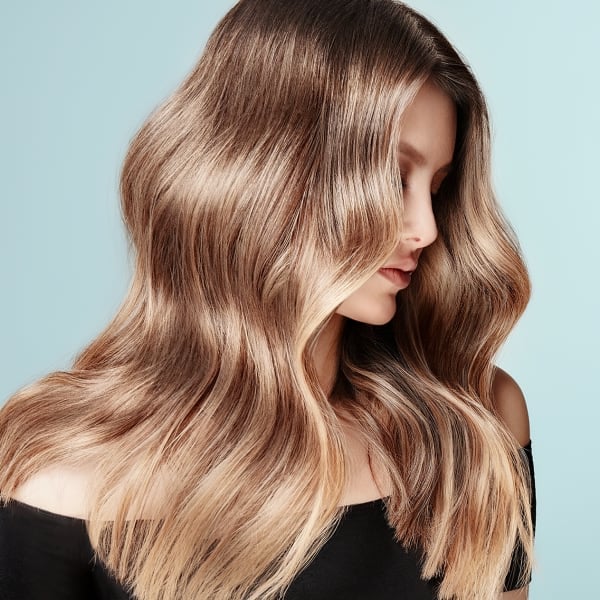
Fresh formulas, practical techniques, and color inspiration from the pros.
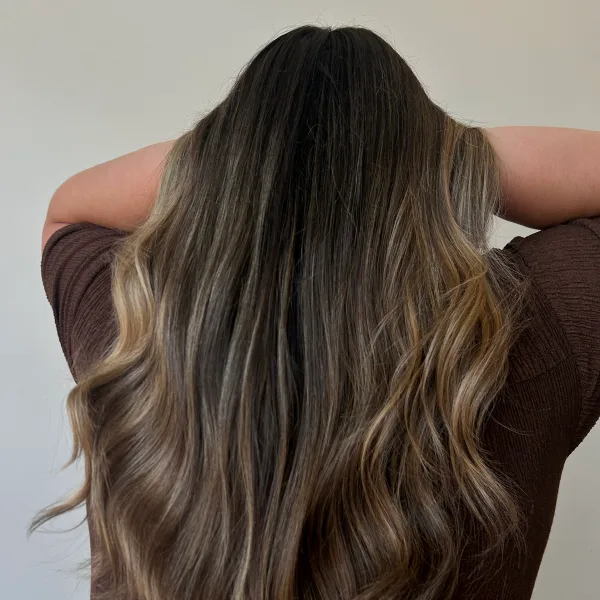
Hair artist Skyla Kuykendall creates lived-in color with Paul Mitchell lightener and the Demi.
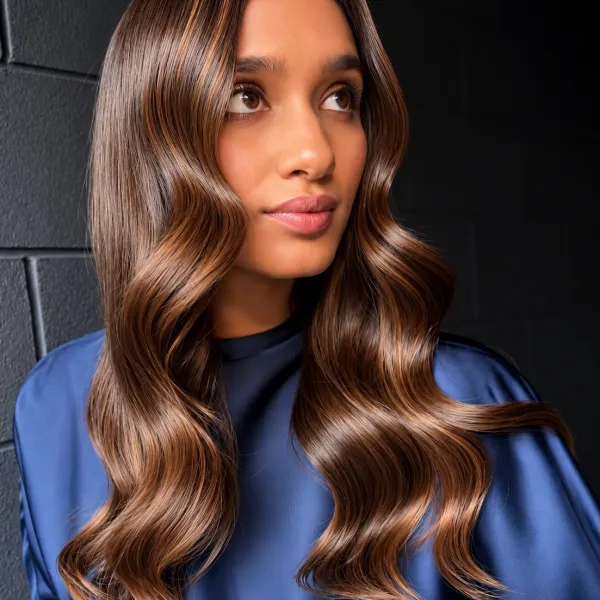
Grethe Helen Sagmoen combines highlights, lowlights, and ArganID™ Glossing with Moroccanoil.
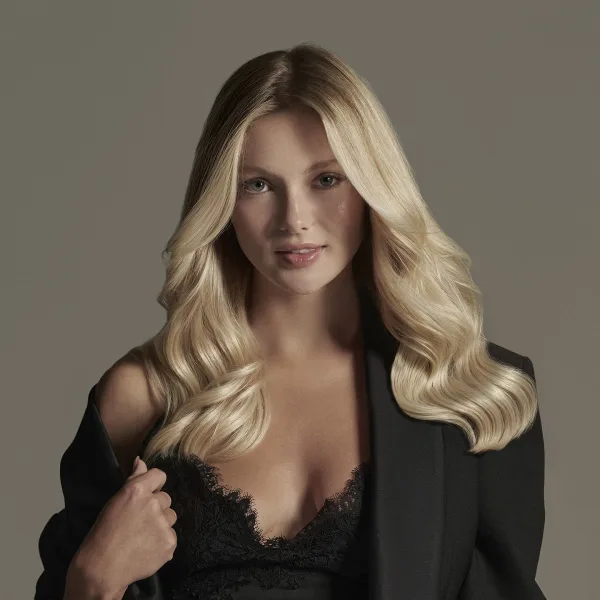
Colorist Mike Sharkey maps out a teasylight placement with Satin Hair Color SilverLift.
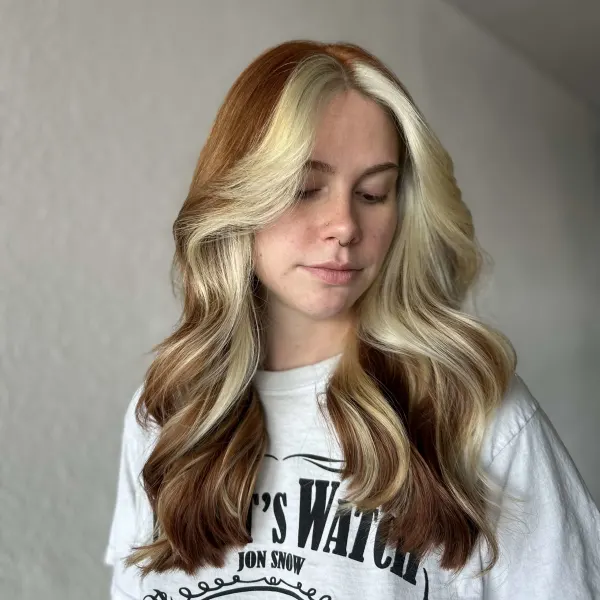
Brooke Alexis pairs an Aquarely formula with targeted color placement and blonde accents.
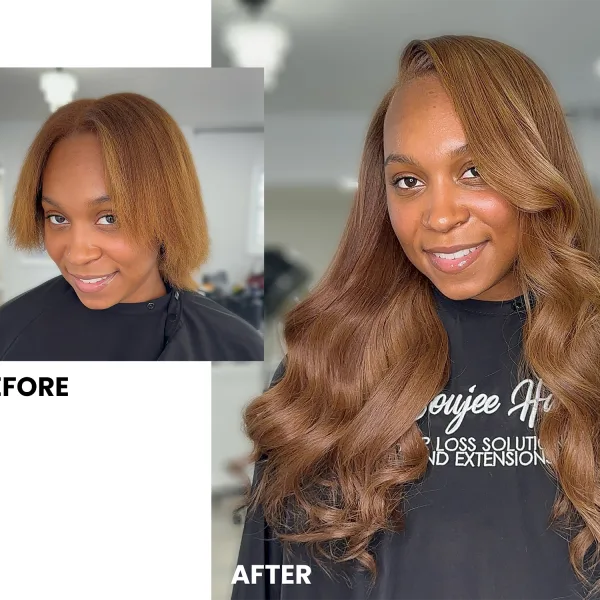
Shonda Sharee shares her approach to coordinating color on natural hair and extensions.
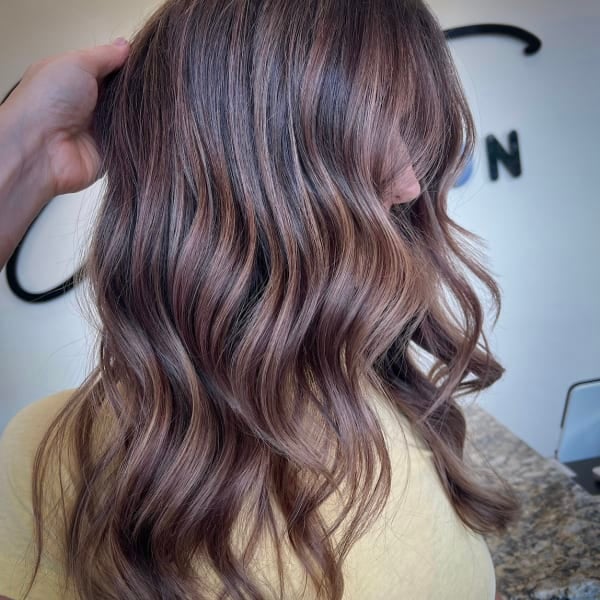
Stevie Meech combines lowlights, a root melt, and an all-over toner using Schwarzkopf Professional IGORA VIBRANCE.
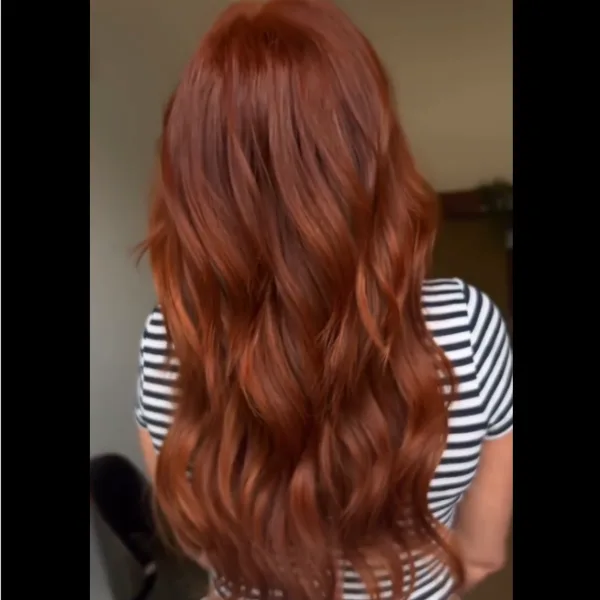
John Paul Mitchell Systems The Color ZERO offers effective permanent color without any of the harshness and with all of the protection. See how these artists used the line to achieve stunning, fall-inspired results.
Sponsored by John Paul Mitchell Systems
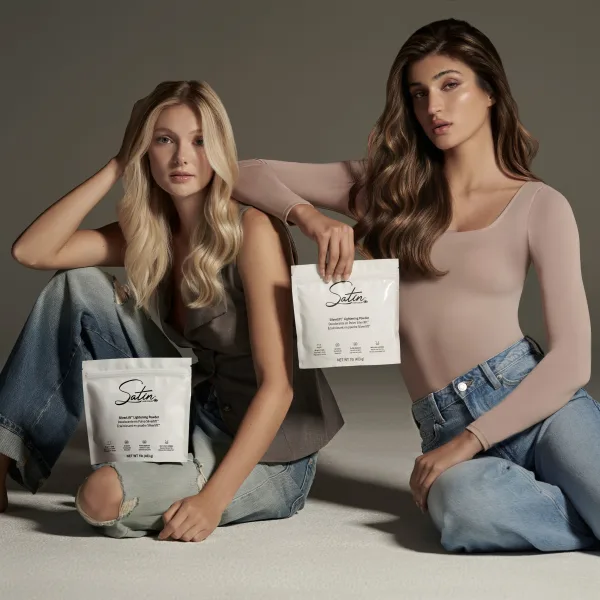
Satin Hair Color’s new education series debuts Expression Brunette and Obsession Blonde, with step-by-step techniques and formulas from colorist Mike Sharkey.
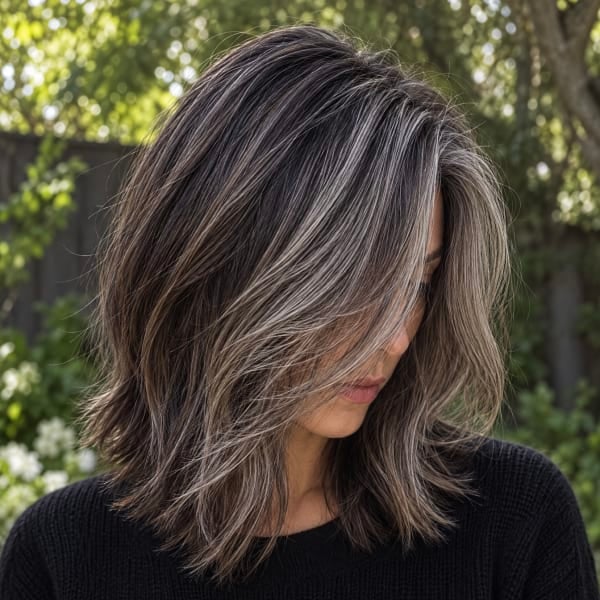
Gray blending offers the best of both worlds for those stuck between wanting to lean into their grays and wanting to run from them. Satin Hair Color, known for its expertly formulated professional color, is here to provide tips and tricks for achieving the perfect gray-blending technique for your clients.
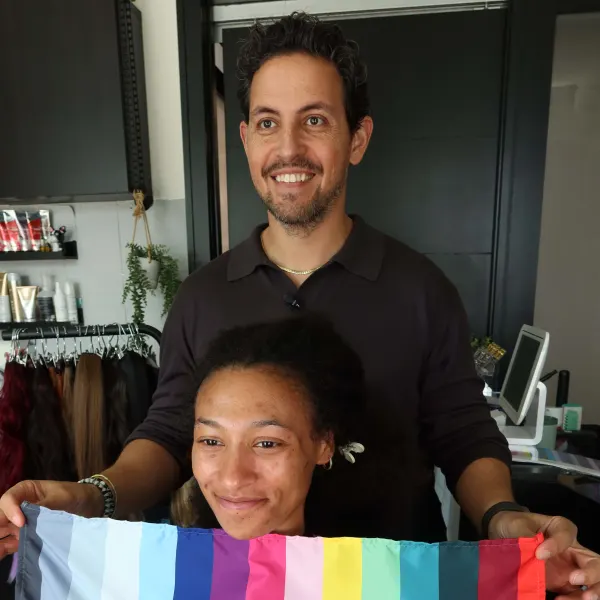
Using Color Analysis, a system formalized in the 1980s, these stylists create something optimized to bring out the best in their clients, while also helping them stand out with this specialty.

From tackling stubborn grays and unwanted warmth to achieving the perfect blonde, Moroccanoil Professional artists share their advice and color solutions.
Sponsored by Moroccanoil
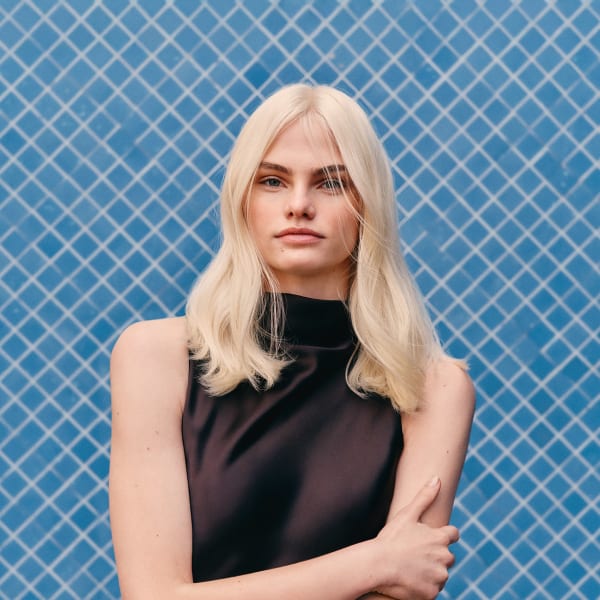
Are your blondes feeling blah? Give ’em a lift with LightDimensions SilkLift Strong
Sponsored by Goldwell
Trending, fool-proof, and fantastic formulas.
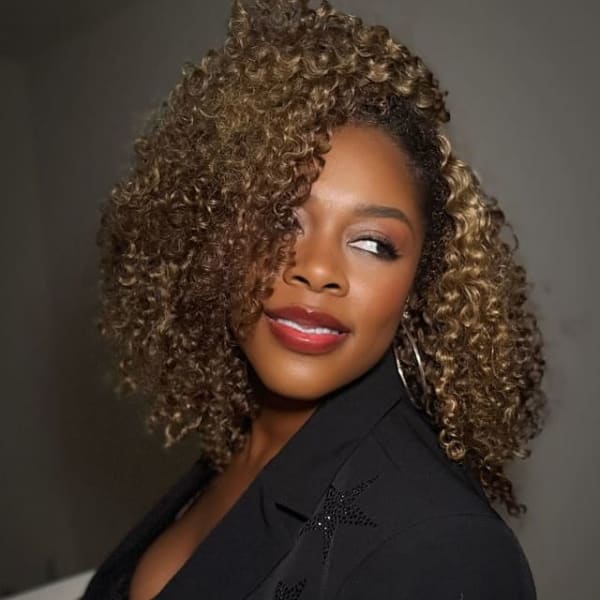
Schwarzkopf Professional Ambassadors Carly Zanoni and Brendnetta Ashley share the express color and treatment services helping stylists deliver great results in under 30 minutes while creating new opportunities for client retention and revenue growth.
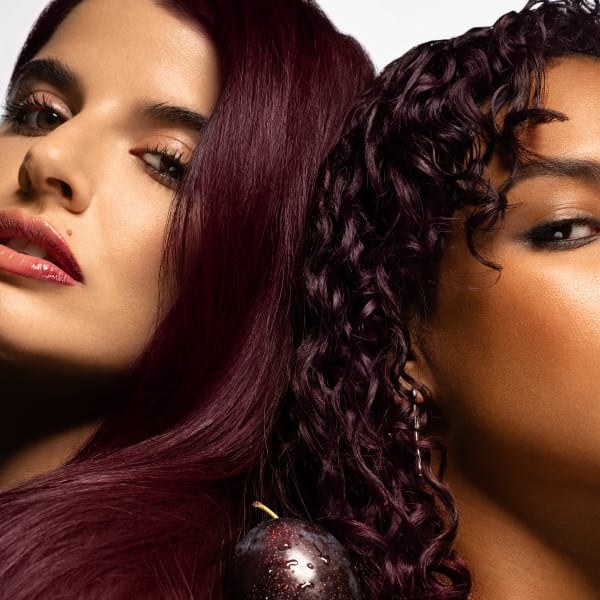
As rich red-violet tones continue trending, the brand introduces two new demi shades designed for depth, shine, and dimensional color.