HOT ROOTS! Learn how to deal with the all too common situation.
2 min to read
As a Color Master, “Formula Boss” David Stanko (@thedavidstanko) has tackled many the color problem as both a practicing hairdresser, educator and product developer. He has guided thousands of colorists, training both novices and experts, on the latest techniques to correct or address common color “situations.”
Here Stanko offers his top five tips on dealing with this all too common problem – the HOT ROOT:
Ad Loading...
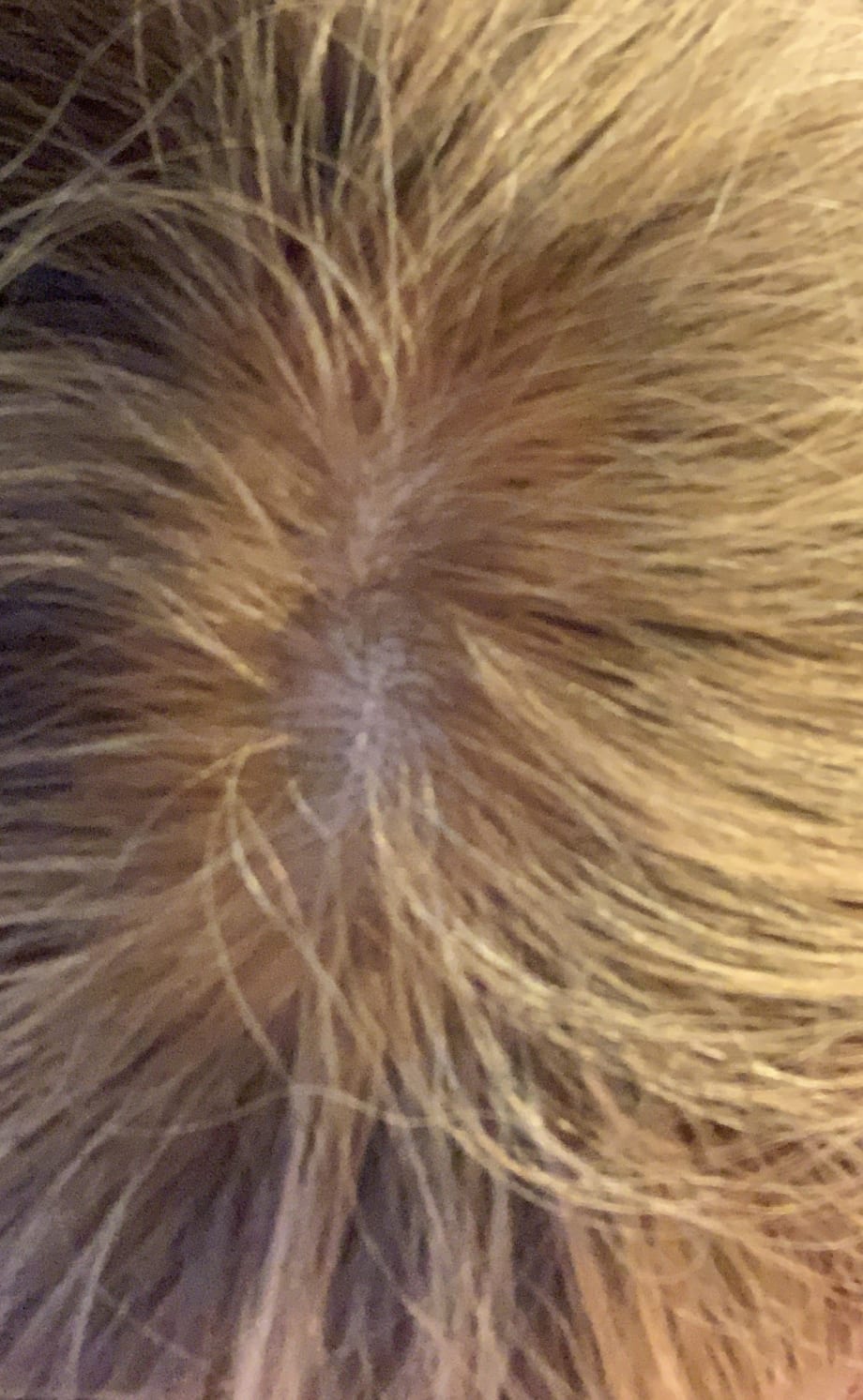
1: To avoid hot roots in the first place, stay within 1-2 levels lighter than the natural hair color. Deviating from this rule of thumb will always lead to disappointment. The heat from the scalp is a contributing factor in this unusual brightening effect, seen most often with copper, gold and natural shades, respectively.
2: To correct hot roots, select a color that is the same level of the shade that cause the problem, but make two key revisions. Drop down to 10-volume developer and select a Natural or Ash-based color to neutralize unwanted warmth.
3. Another idea: Colorists who overlap and pull through too many times can create a darker color on the midlengths and ends. You end up with what looks like a hot root but really isn’t one. The root is correct—the midlengths and ends went too dark.
4. To minimize the potential of hot roots when working with a permanent ammoniated hair color and creating shades like red, red-violet or copper, mix the target shade with a shade that’s one level lighter (and the same tone), and use 10-volume developer. Alternately, use a non-ammonia (MEA) permanent hair color, which tends to lift less than an ammonia-based color.
5. Mineral build-up can possibly cause the same darkening of the midshafts and ends. If you suspect this, perform a service that “cleanses the palette.”
Ad Loading...
In this video, Stanko deals with several HOT color questions, many that have troubled colorists on a regular basis:
Satin Hair Color’s new education series debuts Expression Brunette and Obsession Blonde, with step-by-step techniques and formulas from colorist Mike Sharkey.
Gray blending offers the best of both worlds for those stuck between wanting to lean into their grays and wanting to run from them. Satin Hair Color, known for its expertly formulated professional color, is here to provide tips and tricks for achieving the perfect gray-blending technique for your clients.
Using Color Analysis, a system formalized in the 1980s, these stylists create something optimized to bring out the best in their clients, while also helping them stand out with this specialty.
From tackling stubborn grays and unwanted warmth to achieving the perfect blonde, Moroccanoil Professional artists share their advice and color solutions.
Schwarzkopf Professional Ambassadors Carly Zanoni and Brendnetta Ashley share the express color and treatment services helping stylists deliver great results in under 30 minutes while creating new opportunities for client retention and revenue growth.
In an industry with so many options and opportunities, we asked artists what made them niche down and select a specialty. Amelia Fugitt (@ameliahairmakeup) says choosing to focus on transformations has transformed her career.
Craft with confidence, challenge your creativity, work from inspiration. Prepare your chair for every canvas with Moroccanoil's expanded color lines and advanced technology.
Create a look of quiet luxury with this modern take on ombré, featuring beautiful dimension and depth with strategic pops of blonde around the face and ends. The initial effect is bright and beautiful, with purposefully placed depth creating longevity as the hair grows out.
Oligo Professionnel, the Montreal-based hair color powerhouse, expands beyond the salon with a new routine-driven system designed specifically for blondes and those with highlighted hair.