




Why Salon Work Makes Your Body Ache & What You Can Do to Feel Better
We learn some simple moves and strategies to keep the blood pumping through the muscles and limit posture problems from The Balanced Beauty Pro
by Anne Moratto
 MENU
MENU SEARCH
What makes salon content worth a pause? Hairstylists Janelle Eyre, Sean Crutcher and Luis Rodriguez share how they show their work, earn guests’ trust and make posting feel manageable. You can get MORE from these artists in our upcoming webinar!
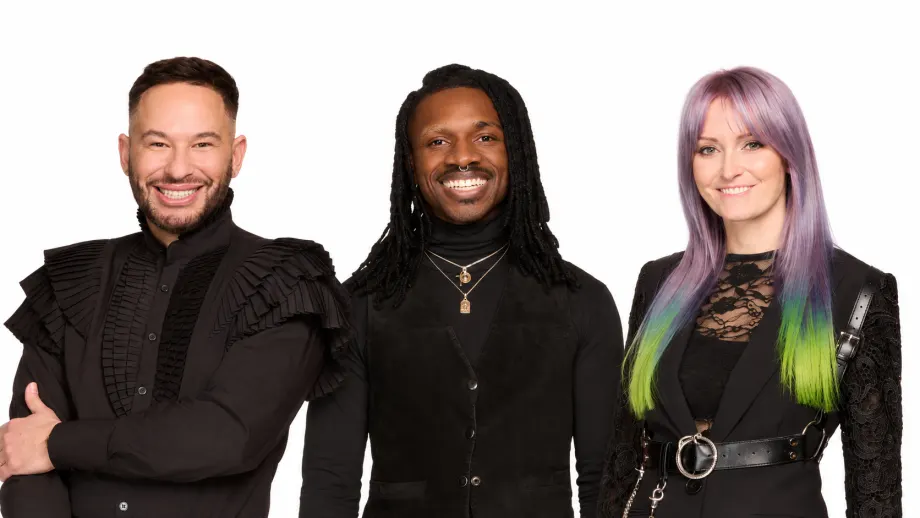
For a stylist, social media can be a portfolio, a preview of the appointment and a place to teach. MODERN SALON asked three members of the Ulta Beauty Artists CollectiveArtists Collective what connects with their audiences, how they film with guests and where a stylist who feels overwhelmed can begin. Their advice comes back to showing the real person and process behind the finished look.
This conversation is an edited version of a webcast discussion--there's so much more to learn by watching the entireScroll-Stopping Stylist webcast here.
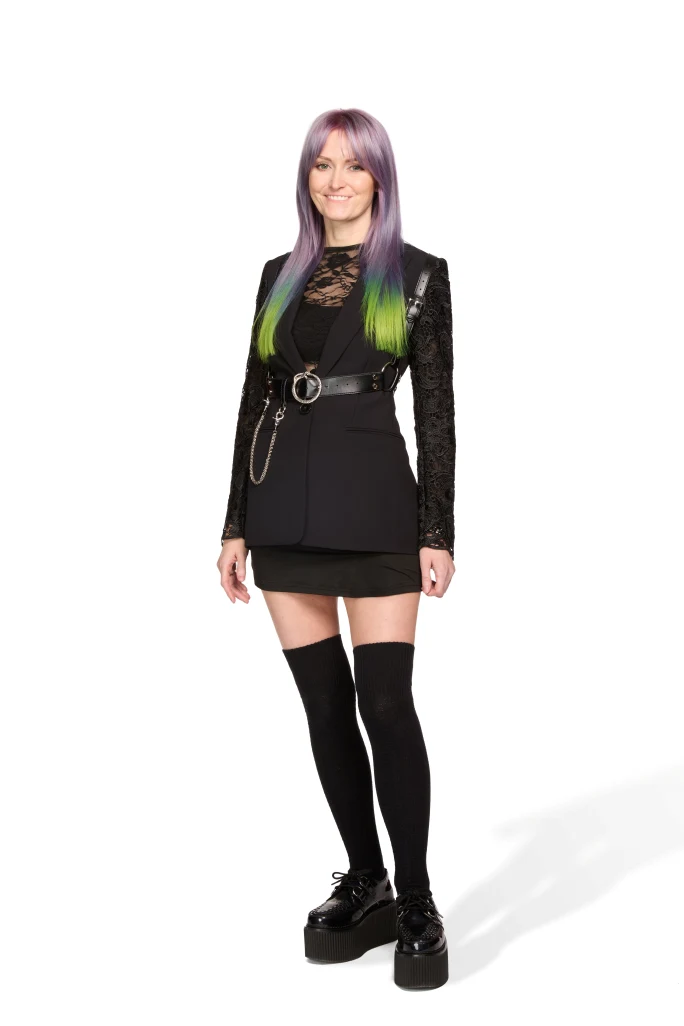
Janelle Eyre @jeyre.hair: "So the first thing I want them to take away is their breath! I want them to feel inspired. I hope other hairstylists find ideas in my work, and that consumers can see themselves in a look, too."
Ulta Beauty
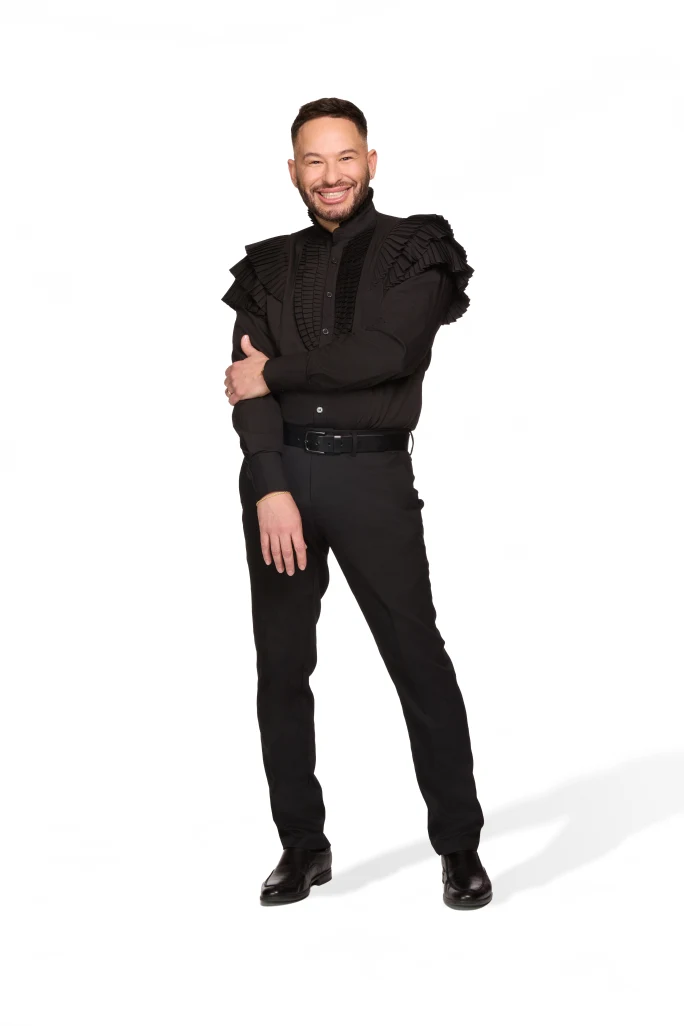
Luis Rodriguez @luisfernando_hair: "I want them to see that I’m an industry educator and an artist who also works behind the chair. I enjoy educating professionals and guests, so guests feel more comfortable knowing they’re in the hands of an expert."
Ulta Beauty
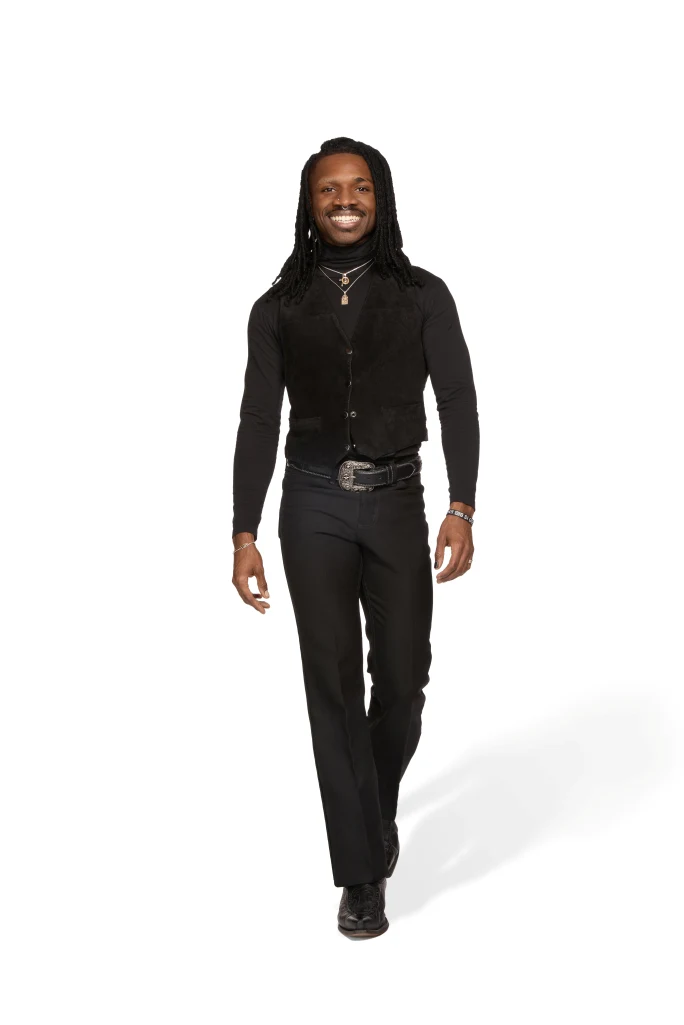
Sean Crutcher @damnsean_: "I want them to see that I take the time to give a client what they need as well as what they want. I also want to inspire stylists and consumers—and show that sitting in my chair can be a good time."
Ulta Beauty
Sean Crutcher: Before-and-afters work best for me when people also get to see the process and my personality. Showing how I connect with a client gives a potential guest a preview of what the appointment will feel like, beyond the finished result.
Luis Rodriguez: My audience responds to educational tips and tricks. I’ve also noticed that more organic posts, where I show my personality and try something outside the box, work well.
Janelle Eyre: Posts that include some of my personality resonate most. People are looking for a connection with a real person. When I share more of myself, potential clients can imagine sitting with me, and other stylists have a reason to listen to what I have to say.
Janelle Eyre: I ask for verbal permission every time, even if I’ve filmed that client before. They might not want to be on camera that day. I generally don’t film someone on their first visit because I want us to get comfortable with each other. When I do film a guest for the first time, I explain that I can keep their face out of it and focus on close shots of their hair. I capture a few different angles and short clips.
Luis Rodriguez: I get both verbal and written consent. I may bring a light or two if the salon is dark, so the hair looks true to tone. Then I capture a before, an after and a few clips of the work in between. That gives me short pieces I can use on social media.
Sean Crutcher: I simply ask. Many of my clients know I make content, but some don’t want their faces shown. When that’s the case, I make sure the footage respects that request.
Sean Crutcher: Film yourself working with a client. You don’t have to talk straight to the camera or put your face front and center. I used to post only photos of hair, but people connected more when they could see me doing the work. Keep it simple and show the process.
Luis Rodriguez: Start with before-and-after photos or video of a guest’s hair. If you want to add education, record part of the process and explain how you achieved the result or which products you used. You don’t have to appear on camera to begin, though people do connect with the stylist behind the work when you’re ready to show yourself.
Janelle Eyre: Try a carousel. Editing video can take time to learn, but a few photos of the before, the process and the finished look—perhaps with a short clip—give people something to swipe through without a complicated edit.
Janelle Eyre: A finished look can make people say “wow” without realizing it took seven hours. Sometimes I add timestamps or list the steps in a post: lightening, pre-toning and how long each part took. That helps guests understand the time involved and reminds other stylists that a service like this really can take that long.
Sean Crutcher: Yes, I believe it played a role. People see the process, the time it takes and the client enjoying the result. I think of social media as a portfolio. Even repeat clients need something they can show someone else when recommending you. Having that work and the client experience visible helped me reach the goal.
Luis Rodriguez: Education serves both hairstylists and potential guests. When I explain what I’m doing and the products I’m using, guests can see that I know my work. That helps them feel comfortable with me before they ever sit in my chair, which makes the move from watching my content to booking an appointment easier.
Janelle Eyre: InShot is the app I use. I like having my editing in one place, and I’ve made videos with millions of views using it.
Luis Rodriguez: I use a mix of InShot, Edits and CapCut. CapCut is my go-to when I want to make something quickly using an easy-to-follow template.
Sean Crutcher: I use Instagram’s Edits. It’s quick and works for me.
Janelle Eyre: I leave it. I might hide the like count, but the post still shows my work, and I put effort into making it.
Luis Rodriguez: Leave it. Sometimes what I think of as a flaw, like a mispronounced word or a funny moment, connects with people more than a polished post would.
Sean Crutcher: Leave it. A post doesn’t need thousands of likes to matter. A client might find an older video you thought flopped and ask for that exact service.
We learn some simple moves and strategies to keep the blood pumping through the muscles and limit posture problems from The Balanced Beauty Pro

Anny VanDriel, owner of Be Rosie Salon and creator of Pricing Isn’t Personal, volunteered to share a pricing presentation to beauty school students a year ago, and ended up learning more than she expected.

From the launch of the Ulta BeautyArtist Collective to the evolution of Trendspiration, celebrating stylists is what The Salon at Ulta Beauty does best.
Sponsored by Ulta Beauty
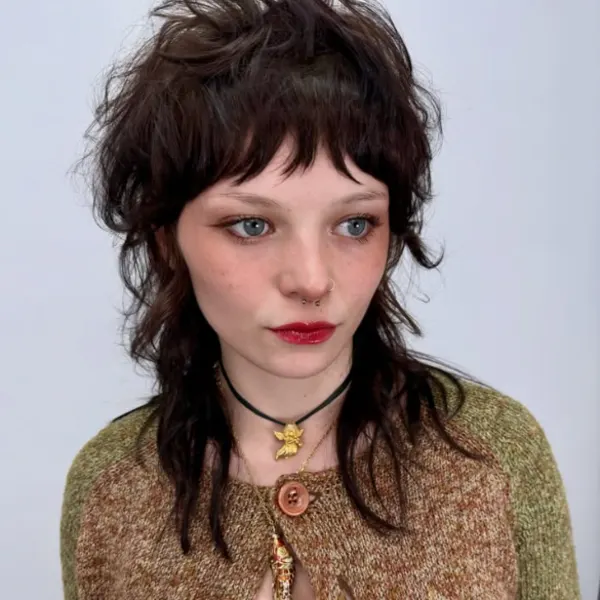
With more than four decades in the industry, hairdresser and MODE Education founder Stan Newton has built a career around the art and discipline of cutting hair, learning the rules so he can break them.
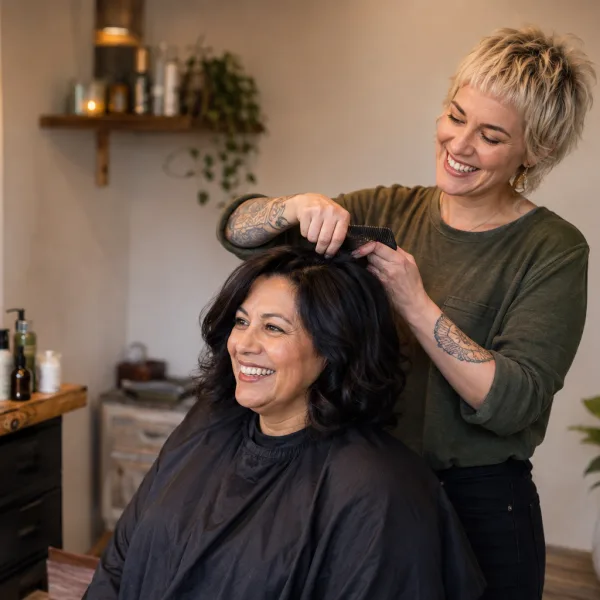
Beauty professionals should evaluate each service based on its popularity, profitability, and alignment with current trends. Conducting client surveys and analyzing booking data can provide insights into which services are in demand and which might be phased out.
LifeSpa leader Ali Yanez explains why strong mentorship, predictable income, meaningful recognition and the right work environment help beauty professionals build careers that last.
Whether a beauty professional chooses a commission salon, booth rental, salon suite or salon ownership, the common thread is having more choices than ever before.

Sport Clips Haircuts will host its inaugural "Level Up Live," a first-of-its-kind virtual event that combines live haircutting education, career inspiration, product knowledge, and employment opportunities for licensed stylists and cosmetology students nationwide.

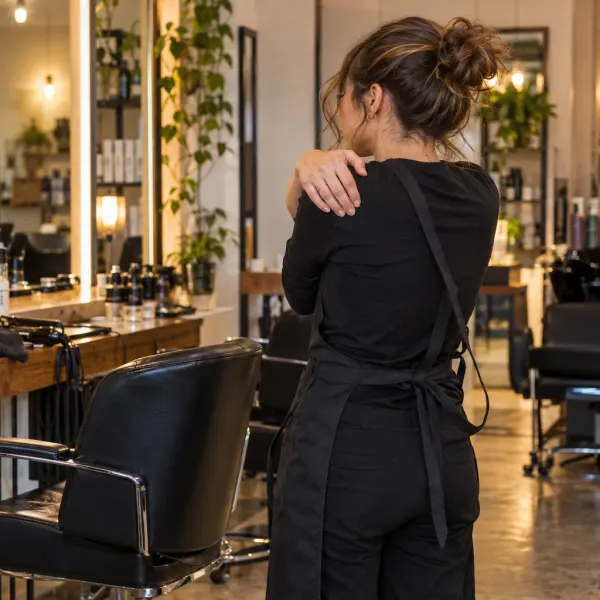
Orthopedic PT reveals three daily exercises plus ergonomic advice that can help salon professionals avoid the aches and injuries caused by standing, bending and repetitive overhead work.

Four publications for beauty industry professionals to enhance their leadership skills, financial awareness, professional growth, and joy!
Salon suite pioneer Karen Kaminski argues that the next evolution of independent beauty businesses won't be defined by beautiful spaces alone, it will be driven by smarter systems that help professionals spend less time on administrative work and more time serving clients.

At a time when many LGBTQ+ people felt compelled to hide parts of themselves, Carlos Valenzuela found a career in beauty and a community that offered opportunity based on what you could do and how well you could do it.

Whether it's social media, fashion, film, art, or culture, Chaz Dean advises stylists to stay aware of what's inspiring people. Take the elements that make sense for you in these five lessons learned through a life in beauty.
For Jessica Domoney, building a successful career isn't about saying yes to every opportunity, it's about protecting your time, investing in yourself and creating an experience clients won't forget.
MODERN SALON sat down with Samuels to discuss the book, beauty education, mentorship and the habits that help beauty professionals thrive.
"The mistake people make is treating AI like a vending machine instead of a personal assistant." Digital marketing expert Scott Moon shares how beauty professionals can use AI while staying authentic

Real-world advice on creativity, consultations, color, burnout, business, boundaries, inclusivity, client care, and career growth from educators and industry experts.