Mental Health in the Salon: How Beauty Pros Handle Burnout and Set Boundaries
Discover how top beauty professionals recognize burnout, build healthy boundaries, and protect their mental health in the salon industry. Insights from MODERN SALON's Mental Health Awareness Month panel.
Anne Moratto・Director of Brand Content Strategy, MODERN SALON and NAILS
In recognition of Mental Health Awareness Month, MODERN SALON hosted a powerful panel discussion on burnout, boundaries, and mental wellness for beauty professionals. The conversation explored how salon pros can identify the signs of burnout, set professional boundaries, and build long-term emotional resilience.
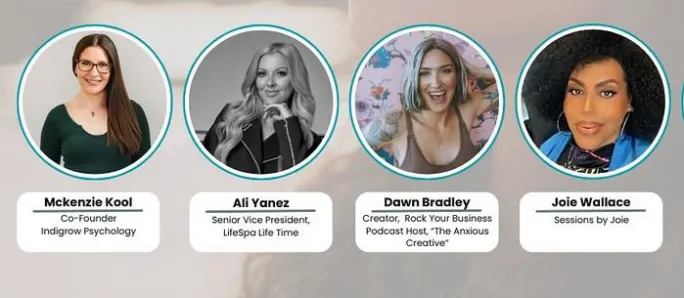
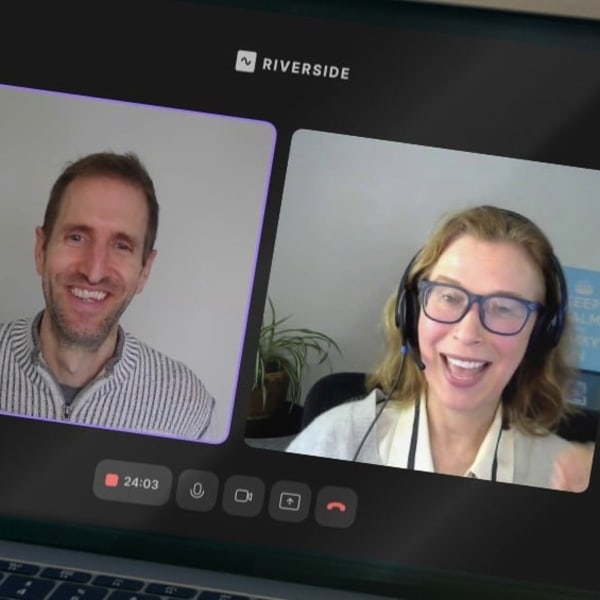
I had the privilege of moderating a panel of beauty professionals and a mental health professional.
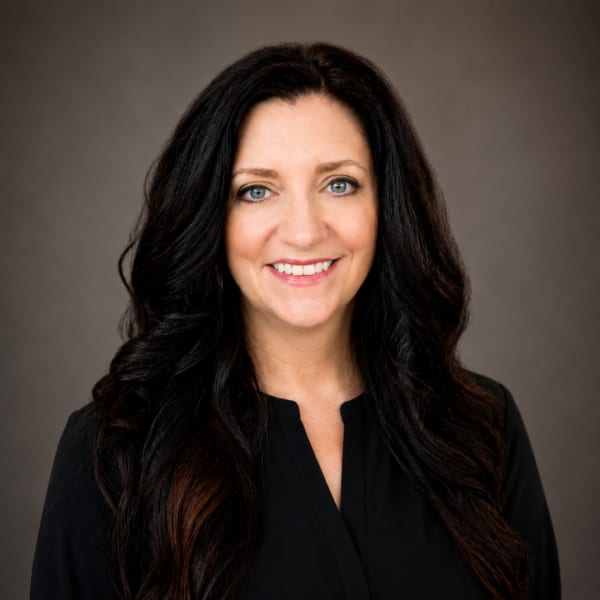
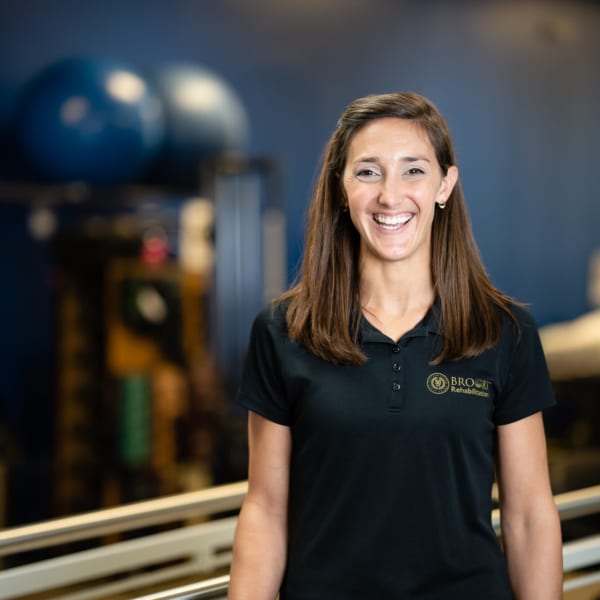
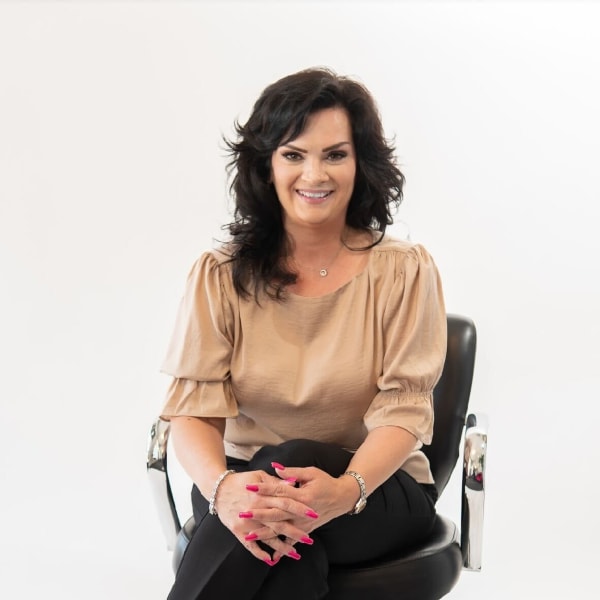
Joie Wallace, Founder of Sessions by Joie and MODERN SALON’s 2023 Artist of the Year
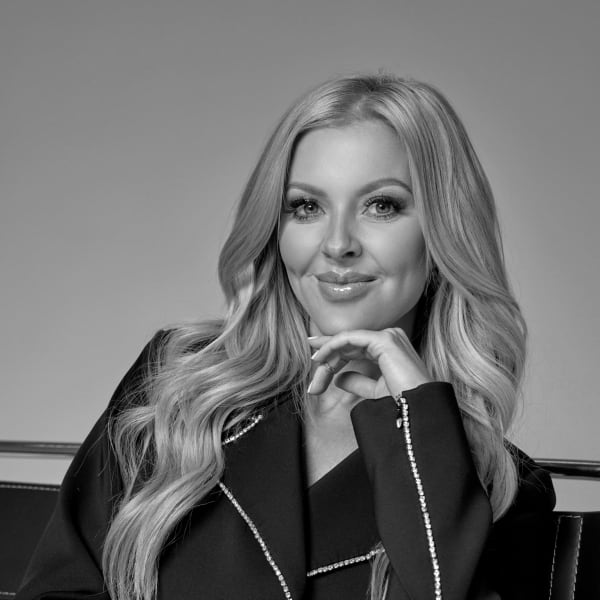
Dawn Bradley, Creator of Rock Your Business and host of The Anxious Creative podcast
McKenzie Kool, Licensed Psychologist and Co-Founder of IndiGro Psychology
Together, they explored how they see burnout manifesting in their lives, how to build some healthy boundaries, and how to cultivate resilience in the salon and beyond. What follows is a lightly edited transcript of that conversation.
This webinar was made possible through a partnership with LifeSpa by Lifetime. You can access the full recording on demand at ModernSalon.com.
Ad Loading...
The panel of industry insiders and a licensed therapist discussed how to spot burnout, set boundaries, and care for their mental health.
MODERN SALON: Burnout is a word we hear a lot, but it looks different for everybody. How do you recognize the signs of impending burnout in yourself, and what do you do to change direction?
Ali Yanez: I love this question, and I think it can show up in several different ways, but for me personally, the way that it shows up right away is impatience and being a little bit shorter or more curt with whatever I'm answering or if somebody's needing something from me. I have to do a little bit of a self-check to go, oh, OK, I'm saying something that I normally wouldn't say or responding how I normally wouldn't respond if I wasn't at that burnout phase. I need to put myself in check and maybe a time out for a little bit until I can recover and be a little bit more patient.
Dawn Bradley: I know I'm burnt out when the passion and excitement that I once had is gone. I can think back to a burnout I had around 2014, where I was frustrated with my clients and it felt like a chore. I couldn't sense the purpose of what I was doing anymore. I felt so disconnected from it.
Mckenzie Kool: I think it's something that, especially in a mental health profession, you always have to be aware of. For me—kind of similar to Ali—I'm impatient. I find that I'm really irritable, and I notice that everything I have to do is colored by this feeling of dread. The joy isn't there. Like Dawn said, it's not the creative or passion that's driving—it's the dread that's driving, and that's when I start to notice that I'm feeling burned out.
Joie Wallace: I would have to say that burnout for me is the overwhelming feeling of what you experience when you are in a career that involves trying to make people feel their best, look their best... and no matter what you do, you just can't please someone. You get overwhelmed, and you start to feel like, “I don’t want to get up and go into the salon today.” For me, it's that overwhelming feeling of just not wanting to be in that position.
MODERN SALON: Mckenzie, from a clinical perspective—can you recover from true burnout?
MK: You can. The important thing is to recognize the difference between being tired and being burnt out. When you're tired, you've had a long day or a few rough days. You sleep, you rest, you recover, and you're good. Burnout is when the effort going out doesn't match the recovery coming in—over a long period of time. You typically see that in jobs involving emotional caregiving. The emotional labor that happens with work and life adds up, and you're constantly giving more than you're receiving. It feels like you're drowning or driven by dread, and sleep or other shifts don't change that feeling.
Ad Loading...
MODERN SALON: Dawn, you’ve spoken openly about burnout. How has sharing those experiences impacted you and your business?
DB: When I started my Rock Your Business program, I was focused on helping beauty professionals make more money in less time. But when I started doing market research, I heard so many people struggling with boundaries, communication, and burnout. I realized there was a need in our industry that no one was talking about.
I started being more open about what I was going through. Even yesterday, I posted a story on my Instagram saying I’d been fighting off a panic attack all day. I was flooded with DMs from people sharing their stories with me. When you're able to share what you're going through—not to overshare, but to say, “Hey, I see you, and you're not alone”—it builds connection and community.
I've shifted from just helping people make money to helping them take care of themselves while sustaining a profitable business.
MODERN SALON: Ali, how can beauty professionals navigate rising costs and client pressures without resorting to emotional discounting?
AY: Great question. I talk to service providers a lot about identifying the difference between being generous and self-sacrificing. When you notice you’re saying yes while drained, or absorbing your client’s stress—especially around money—and start giving away your time just to be nice, it can lead to more burnout.
One analogy I use: If someone went to Starbucks and tried to negotiate the price of a coffee, that wouldn’t fly. And it shouldn’t happen in our profession either. Boundaries aren’t barriers—they protect you. And you shouldn’t discount your time just to avoid an uncomfortable conversation.
Ad Loading...
DB: When I teach about emotional discounting, I ask: is the emotion driving it fear or compassion? If it’s fear—fear of conflict, fear of confrontation—you’re not really doing it out of kindness. Sometimes we think it’s compassion, but it’s fear in disguise. Knowing the difference is really important.
MODERN SALON: Joie, how do you manage the pressure to show up on social media, especially when you’re not feeling it?
JW: After being in the industry for 35 years, I had to rebrand during COVID. I moved to doing everything myself, without assistants. That meant raising prices and marketing differently.
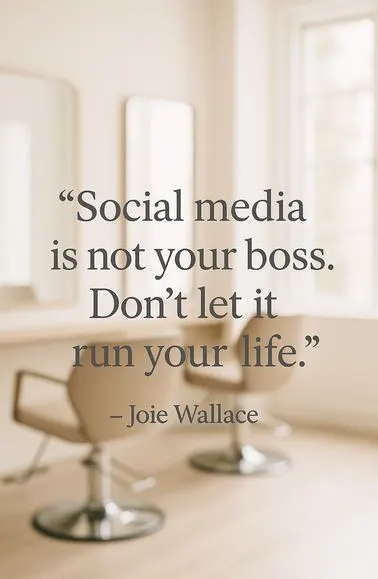
Social media became another job on top of everything else. I felt guilty if I didn’t post. But I’ve learned to take a break. If I don’t post for a day or two, I don’t beat myself up.
And I don’t focus on what others are doing. That gets in your head. Instead, I look at my own accomplishments and remind myself that before social media, I was a hairstylist. I will continue to be an artist for as long as I can do it.
MODERN SALON: McKenzie, do you hear about social media stress from clients?
MK: Absolutely. When you’re in a people-facing profession like beauty, there’s a lot of vulnerability in putting yourself out there. You’re basing your worth on likes and views. It’s emotionally exhausting.
Ad Loading...
MODERN SALON: Ali, can you speak to the importance of community and support systems?
AY: It’s critical. Whether in person or virtual, professional or personal, having a network you can lean into is so valuable. For me, being outside, moving my body, and doing that with others—those habits make a big difference in my mental health. We take that seriously at LifeSpa. Surrounding yourself with people who support your healthy lifestyle really helps.
DB: Mackenzie is actually my therapist. I’ve been seeing her since 2016 after a client’s hair fried off—it shook my whole confidence. Having that safe space to process what I was going through has been everything.
MK: Therapists need their own therapists. It’s important that we’re also doing our work, so our own triggers and burnout don’t get in the way of helping others. Community and balance are key for me too.
JW: I have an amazing sisterhood. Some I’ve known for years, others I haven’t met in person but we support each other on social media. It’s a beautiful thing.
MODERN SALON: What are some small daily habits that support mental wellness?
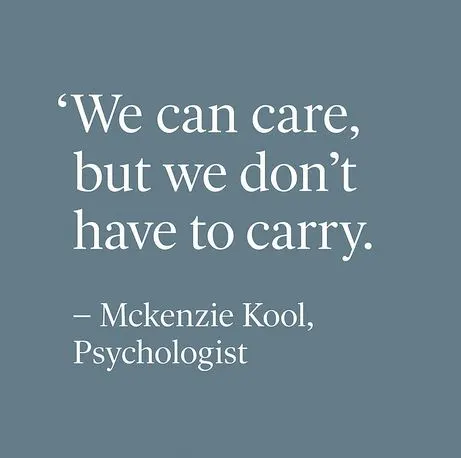
MK: Start with the basics—eat, hydrate, rest. Then move your body, even just a little. Reflect on your day: what was most draining? Emotional labor? Client stories? Set boundaries between what’s yours to carry and what isn’t. One thing I always say: “We can care, but we don’t have to carry.” That’s helped me separate myself emotionally at the end of the day.
Ad Loading...
MODERN SALON: Let’s talk about boundaries. What are some you've put in place to avoid overextending?
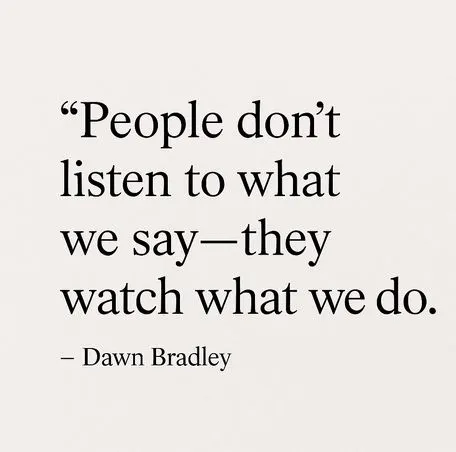
DB: I used to get panic attacks just from checking my phone. Even when the messages were positive, my body couldn’t come down. So I stopped giving out my number and switched to online booking. Now I only respond to emails. Clients follow what you do, not what you say. Boundaries are actions, not just words.
AY: We support that in our commission-based salon. Our leaders help with bookings and act as buffers. I’ll even bring smoothies or water to our team. Sometimes it takes someone else noticing when you need a break.
JW: Same here. Switching to online booking changed everything. Clients will still call, but it’s about gently retraining them—like we do with children. You teach them that your time is your time.
MODERN SALON: How can a stylist kindly suggest a client seek professional help instead of trauma-dumping?
MK: You can say: “This sounds like a lot, and I can only imagine how hard that must be. I’d love to be here for you, but I don’t think I have the training to support you in the way you need. Would you like the name of a great therapist?”
AY: I often say, “I’m so sorry you’re going through this. I wish I could offer solutions, but that’s outside my role. Here are some resources that could help.”
Ad Loading...
DB: I talk about my own therapy experience. “When I went through something similar, therapy really helped me.” That invites them to ask, rather than me pushing.
MODERN SALON: What advice would you give a newer stylist who is a chronic people pleaser and wants to set boundaries with their employer?
AY: You have to advocate for yourself. If your boundaries aren’t respected, that’s not the right place for you. Nothing is more important than your mental health.
DB: People pleasers are often just deferring disappointment. You’re avoiding conflict now, only to face a bigger one later. Interview your employer the same way they interview you—ask about policies, hours, mental health days. You can’t change a boss, but you can change your situation.
MK: People-pleasing often ties into your nervous system. Therapy can help you learn how to sit with discomfort and still honor your boundaries.
JW: Communicate. Set up a meeting and be honest about where you are and what you need. It may be hard, but it sets the tone for your career.
Ad Loading...
MODERN SALON: Final thoughts. What would you like someone who’s struggling right now to take away from this conversation?
MK: True change doesn’t come from comfort. Struggle is often an invitation to grow. Get curious about what needs to change. There’s beauty in that.
JW: Find a mentor. Don’t be too hard on yourself. Talk to someone. Better days are ahead—just take it one step at a time.
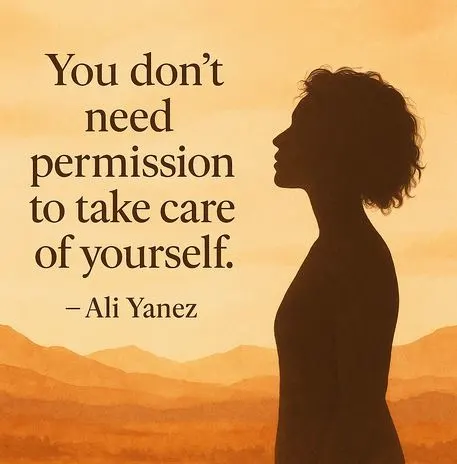
AY: You don’t need permission to take care of yourself. Go outside. Move. Ask for help. Give your time to others if you can’t give money. Build self-care into your day. It doesn’t have to be extravagant.
DB: Always struggle well. The worst thing isn’t the last thing. Even if everything’s not OK, it’s going to be all right.
What makes salon content worth a pause? Hairstylists Janelle Eyre, Sean Crutcher and Luis Rodriguez share how they show their work, earn guests’ trust and make posting feel manageable. You can get MORE from these artists in our upcoming webinar!
Anny VanDriel, owner of Be Rosie Salon and creator of Pricing Isn’t Personal, volunteered to share a pricing presentation to beauty school students a year ago, and ended up learning more than she expected.
From the launch of the Ulta BeautyArtist Collective to the evolution of Trendspiration, celebrating stylists is what The Salon at Ulta Beauty does best.
With more than four decades in the industry, hairdresser and MODE Education founder Stan Newton has built a career around the art and discipline of cutting hair, learning the rules so he can break them.
Beauty professionals should evaluate each service based on its popularity, profitability, and alignment with current trends. Conducting client surveys and analyzing booking data can provide insights into which services are in demand and which might be phased out.
LifeSpa leader Ali Yanez explains why strong mentorship, predictable income, meaningful recognition and the right work environment help beauty professionals build careers that last.
Whether a beauty professional chooses a commission salon, booth rental, salon suite or salon ownership, the common thread is having more choices than ever before.
Sport Clips Haircuts will host its inaugural "Level Up Live," a first-of-its-kind virtual event that combines live haircutting education, career inspiration, product knowledge, and employment opportunities for licensed stylists and cosmetology students nationwide.
Orthopedic PT reveals three daily exercises plus ergonomic advice that can help salon professionals avoid the aches and injuries caused by standing, bending and repetitive overhead work.
Salon suite pioneer Karen Kaminski argues that the next evolution of independent beauty businesses won't be defined by beautiful spaces alone, it will be driven by smarter systems that help professionals spend less time on administrative work and more time serving clients.
At a time when many LGBTQ+ people felt compelled to hide parts of themselves, Carlos Valenzuela found a career in beauty and a community that offered opportunity based on what you could do and how well you could do it.
Whether it's social media, fashion, film, art, or culture, Chaz Dean advises stylists to stay aware of what's inspiring people. Take the elements that make sense for you in these five lessons learned through a life in beauty.
For Jessica Domoney, building a successful career isn't about saying yes to every opportunity, it's about protecting your time, investing in yourself and creating an experience clients won't forget.
"The mistake people make is treating AI like a vending machine instead of a personal assistant." Digital marketing expert Scott Moon shares how beauty professionals can use AI while staying authentic