







Where Are Salon Suites Headed Next?
Whether a beauty professional chooses a commission salon, booth rental, salon suite or salon ownership, the common thread is having more choices than ever before.
by Anne Moratto
 MENU
MENU SEARCH
Real-world advice on creativity, consultations, color, burnout, business, boundaries, inclusivity, client care, and career growth from educators and industry experts.

Credit: Pixabay/picjumbo
It's a wonderful thing to be surrounded by so many smart people. Our industry is filled with educators who teach by example as much as they educate on technique. We rounded up some nuggets of wisdom we have heard in the recent past to give you an at-a-glance tip sheet. These range far and wide, from holiday rush time-management, to emotional regulation, to extending the life of vivid hair color.
Daniel Keane, Academy Director for IT&LY Hairfashion
Keane says a strong consultation goes deeper than the inspiration photo. The real question is not only what the client wants, but why they want it. Are they looking for a long-term change, a confidence boost, a seasonal refresh, or a quick emotional reset? That answer helps the stylist choose the right service and manage expectations.

Daniel Keane
Daniel Keane, Academy Director for IT&LY Hairfashion
Keane says he still does a full consultation every appointment “because life changes.” Hair history, medications, water quality, at-home products, and lifestyle can all affect the outcome. The lesson: never assume last visit’s plan still applies.
Megan Winfield, hairstylist, salon owner, and Kenra Professional Artistic Team Member
Winfield asks clients what they are loving and not loving about their hair. That second question is key because it reveals what needs to improve. Spending five extra minutes up front can save disappointment later.
Adrienne Dara, Philadelphia-based colorist, NAHA Educator of the Year finalist, SalonCentric Ambassador, and Redken Global Brand Ambassador
Dara says she uses “visual verbiage,” asking whether a client wants a bold or soft face frame instead of relying on industry terms like “money piece.” The takeaway: clients need clarity, not salon jargon.
Marco Pelusi, West Hollywood-based color authority and educator
Pelusi’s motto is simple: “Two ears, one mouth.” Before offering a formula, technique, or solution, he asks targeted questions like what problems the client had with their last color. Listening protects the result and the relationship.

Marco Pelusi
Megan Winfield, Kenra Professional Artistic Team Member
Winfield says stylists often overcomplicate toning and formulation. Her reminder: return to porosity, texture, density, and the color wheel. As she puts it, “You can’t fix a level 9 problem with a level 10 toner.”
Adrienne Dara, Redken Global Brand Ambassador
Dara reminds stylists that every canvas is different. Formulation is an ongoing learning process, and stylists should give themselves grace while building confidence.

Adrienne Dara
Marco Pelusi, color authority and educator
Pelusi advises stylists to first determine the percentage of gray before formulating. If the regrowth appears mostly white, the client is likely over 50% gray; if the natural color is still dominant, they may be under 50%. That estimate becomes the guide for the formula.
Megan Winfield, Kenra Professional Artistic Team Member
Winfield points out that gray percentage is rarely consistent across the head. A client may be 100% gray at the hairline and only 25% gray in the crown. That means a more customized plan may be necessary.
Adrienne Dara, Redken Global Brand Ambassador
Dara says stylists should show clients what grow-out will look like for both blending and full coverage. A client may say they want full coverage, but not be ready for the maintenance. Education helps them make a realistic decision.
Samantha Sellars, Curriculum and Digital Education Manager at PRAVANA
Sellars says consultation is essential for creative color. Stylists should discuss the level of lift possible, the tones and patterns desired, and what can be achieved without compromising hair integrity.
Samantha Sellars, Curriculum and Digital Education Manager at PRAVANA
Sellars advises shooting vivid color against a clean, uncluttered background with indirect natural light. The lesson: if your work is colorful, creative, and scroll-stopping in person, your content should do it justice online.
Erin Munoz, stylist, educator, and MODERN SALON Artist Connective Member
Munoz says oil slick effects are ideal for level 5 and darker clients because the darker base allows jewel tones to reflect. It is also a lower-maintenance option for clients who want vivid color without a full bleach-and-tone commitment.
Michelle O’Connor, Artistic Lead for the Ulta Beauty Artist Collective
O’Connor says she feels a responsibility to create things people have not seen before. For stylists, the takeaway is that inspiration should be a starting point, not a copy-and-paste assignment.
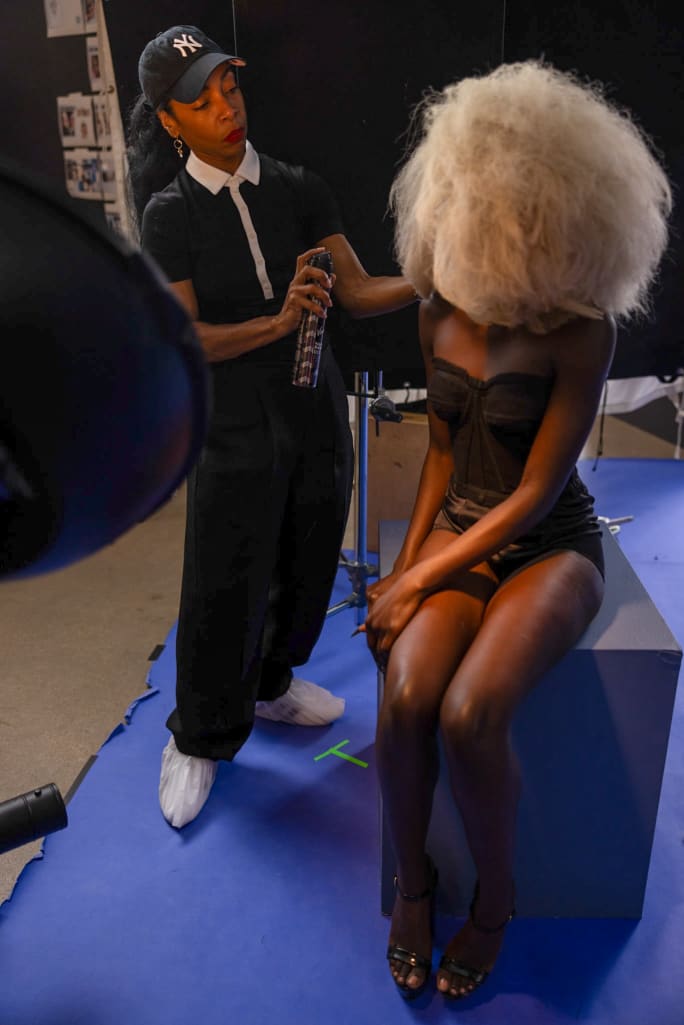
Michelle O'Connor, Ulta Beauty Artistic Lead, Salon Editorial and Brand Imagery, puts final touches to an editorial style.
Credit: Jessy J Photo @jessyjphoto
Michelle O’Connor, Artistic Lead for the Ulta Beauty Artist Collective
On a photo shoot (that we featured on our cover) O’Connor talked about using AI to help visualize creative concepts, refine ideas, and iterate until the image matched what she was imagining. The lesson is not that technology replaces artistry; it can help artists better communicate and develop what is in their heads.
Danielle Keasling, Artistic Lead for the Ulta Beauty Artist Collective
While discussing the use of hair cages and working through how to use them, Keasling noted how exciting it is to still learn new tools and methods after more than 26 years in beauty. That is a powerful reminder that mastery and curiosity can exist at the same time.

Danielle Keasling, Ulta Beauty Artistic Lead, Industry Shows & Events
Danielle Keasling, Artistic Lead for the Ulta Beauty Artist Collective
And conversely, Keasling’s practical takeaway from a photo shoot that included some big firsts, also emphasized using the tools that help you get the shot. Creativity does not always mean building everything from scratch.
Danielle Keasling, Artistic Lead for the Ulta Beauty Artist Collective
Keasling said the Ulta Beauty team kept a multi-era collection cohesive through planning, conversation, and collaboration with the photographer, wardrobe, makeup, and the full team. The lesson: great hair does not live in isolation on a shoot.
Mat Wulff, Creative Director and Makeup Lead for the Ulta Beauty shoot
Wulff says a good artist watches personality, confidence, and lifestyle. Trends like thin brows or bleached brows may feel modern, but they have to be adapted so they become timeless for the person wearing them.
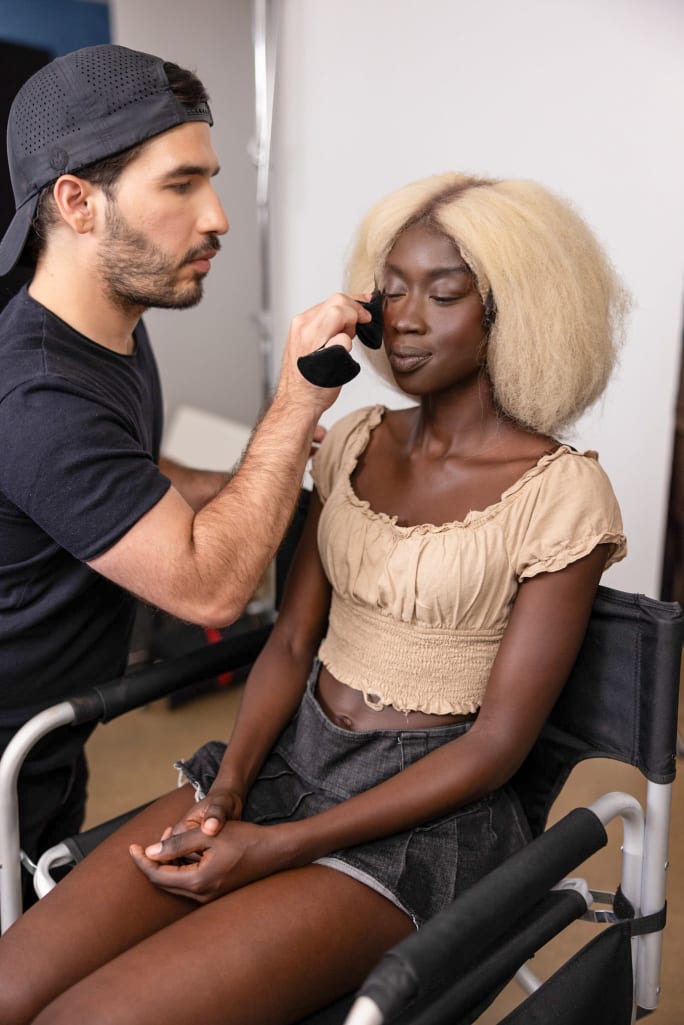
Makeup artist and creative director, Mat Wulff
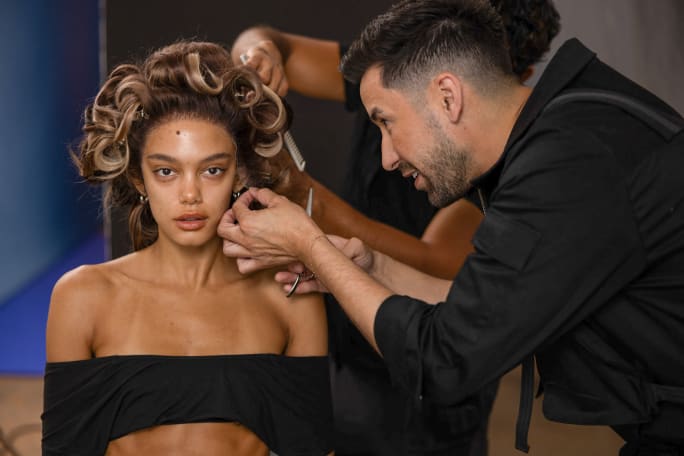
Justin Toves-Vincilione at work onset.
Credit: Jessy J Photo @jessyjphoto
Justin Toves-Vincilione, Creative Director and Hair Lead for the Ulta Beauty shoot
Toves-Vincilione says styles always come back around, and education prepares stylists for the moment when a client walks in asking for a new or trending look. The point: education is not abstract—it is what lets you deliver in real time.
Henry “Tribes” Amoloja, sensory-friendly barber and inventor of The Weighted Cape
Amoloja says he did not choose sensory-friendly barbering; it chose him. He discovered a community with a deep need for safer, more supportive haircut experiences. The lesson: sometimes your niche emerges when you notice who is being underserved.
Henry “Tribes” Amoloja, sensory-friendly barber and inventor of The Weighted Cape
Amoloja once thought his weighted cape would be the ultimate accommodation for children with special needs. He quickly learned sensory-friendly service is an end-to-end experience. The larger lesson: a niche requires systems, sensitivity, and ongoing education.
Henry “Tribes” Amoloja, sensory-friendly barber and inventor of The Weighted Cape
His advice to anyone considering a specialty: never stop learning, never limit yourself, invest in education, network with others, and stay open to possibilities—especially outside your comfort zone.
Adrean de la Parra, co-founder of Equis Atelier, and educator at Bellus Academy
De la Parra tells new stylists to let their immediate circle know they are ready, then tell the world on social media. He also believes the traditional business card still has a place. The takeaway: clientele-building starts with visibility.
Adrean de la Parra, educator at Bellus Academy
For new professionals, de la Parra recommends starting in a salon with an assistant program. A salon environment offers experience, education, support, and exposure to different client personalities before a stylist is fully on their own.
Dawn Bradley, creator of Rock Your Business and host of The Anxious Creative podcast
Bradley says she recognized burnout when the passion and excitement she once had disappeared. Work started to feel like a chore, and she felt disconnected from her purpose. That is a warning sign many beauty pros will recognize.

Dawn Bradley
Dawn Bradley, creator of Rock Your Business
Bradley stopped giving clients her phone number and switched to online booking because even positive messages were overwhelming her nervous system. Her point: clients follow what you do, not what you say.
Ali Yanez, SVP at LifeSpa by Lifetime
Yanez warns against emotional discounting—giving away time, energy, or money because a client is stressed. Boundaries are not barriers; they protect the professional and the business.

Alexandra Yanez
Ali Yanez, SVP at LifeSpa by Lifetime
Yanez’s final advice to struggling beauty pros was direct: go outside, move, ask for help, and build self-care into the day. It does not have to be extravagant to count.
Joie Wallace, founder of Sessions by Joie and MODERN SALON’s 2023 Artist of the Year
Wallace says she has learned not to beat herself up if she does not post for a day or two. She reminds herself that before social media, she was a hairstylist—and she will continue to be an artist.
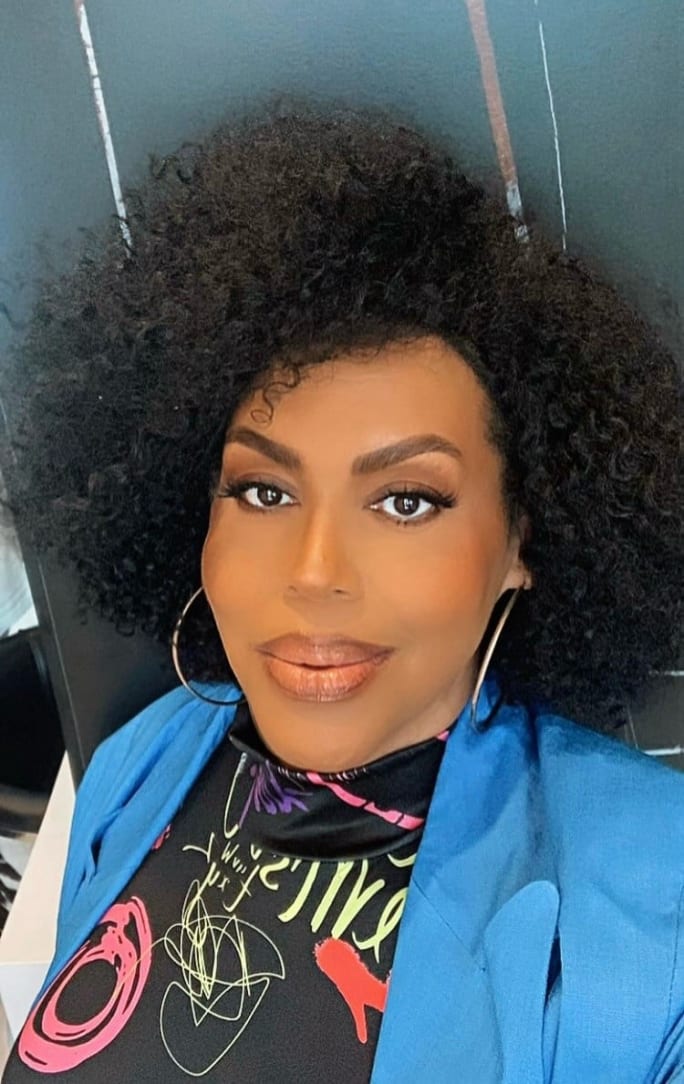
Joie Wallace
Brendnetta Ashley, hairstylist and educator, Schwarzkopf Professional Ambassador
Ashley says burnout is real and serious. Her practical solution is to allow one day a week to do nothing hair-related so you can reset.
Keon Washington, Cosmo Prof Artistic Team Member
Washington says stylists feel like superheroes during the holidays, but they are human. He recommends establishing holiday protocols, setting hours and pricing, and only taking on what you can truly handle.

Keon Washington
Credit: Cosmoprof
Jon Carlos Delacruz, Cosmo Prof Artistic Team Member
Delacruz’s holiday advice is refreshingly blunt: calm down. The holiday rush is busy, but stylists do not need to overthink, overbook, or overextend themselves.
Elizabeth Faye, hairstylist turned coach
Faye uses the image of a jar filled with big rocks, pebbles, and sand. The big rocks are health, family, values, rituals, and personal priorities. If those do not go in first, the rest of life will crowd them out.
Carlos Valenzuela, longtime MODERN SALON contributor, author, educator, and mentor
Valenzuela says working commission is hard, booth rental is hard, budgeting is hard, and being out of shape is hard. Since everything has a hard part, choose the hard that leads somewhere better. That is a smart reframe for career discipline.

Carlos Valenzuela
Karen Kaminski, founder of Allure Salon Group & Professional Education Center and Allure Salon Suite Consulting
Kaminski says establishing business foundations before focusing only on beauty services is game-changing. Her view: salon owners should not simply have a beauty business; they should have a business that provides beauty services.
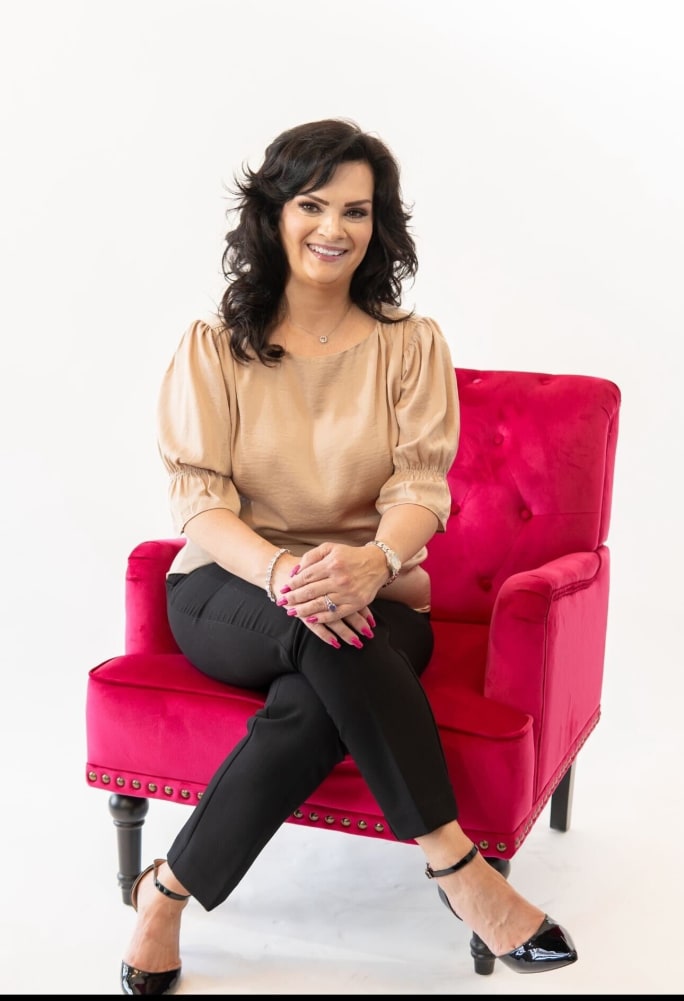
Karen Kaminski
Karen Kaminski, salon suite educator and consultant
Kaminski noticed that many beauty pros had enough clients to open a suite but struggled to stay successful without financial systems, branding, marketing, pricing, and operational knowledge.
Brendnetta Ashley, hairstylist and educator, Schwarzkopf Professional Ambassador
Ashley’s best advice for managing seasonal slowdowns is to have clients prebook. It signals that your schedule fills quickly and helps smooth out income after the holiday rush.
Stewart Vann, hairstylist and educator
Vann uses January and February to attend events, workshops, and classes. Rather than seeing downtime as failure, he treats it as a chance to refresh skills and return with new ideas.
Carly Zanoni, hairstylist and educator, Schwarzkopf Professional Ambassador
Zanoni recommends express service options for clients who cannot afford a big appointment but still want to do something. Mini foils, face-frame brightness, glosses, and small maintenance services can keep clients engaged.
Tracey Hughes, General Manager, DermapenWorld
Hughes says hair loss has not been talked about enough, even though stylists are often the first professionals clients confide in. Her bigger message: connecting salon professionals with medical and scalp-health education can help clients regain confidence.

Tracey Hughes
Tracey Hughes, General Manager, DermapenWorld
Hughes described the Exo-Grow roadshow as more than a product launch—it was about bringing hairdressers, barbers, aestheticians, and doctors into one conversation. That kind of community can help professionals support clients more fully.
Jamie DiGrazia, Chicago stylist, salon owner, and founder of Hair Has No Gender
DiGrazia’s education challenges stylists to rethink gendered service menus like “men’s haircut” or “ladies’ trim.” Pricing by length, texture, and time can help clients feel seen instead of boxed in.
Jamie DiGrazia, founder of Hair Has No Gender
DiGrazia’s approach centers empathy and curiosity. “This isn’t about being perfect,” she says. “It’s about being aware, and willing to do better.”
Amber O’Hara, owner of Gold and Braid Salon and co-founder of The Business of Balayage
O’Hara avoids political conversations in the salon because doing it every day would leave her depleted. Her boundary is a reminder that stylists are allowed to protect their energy.
Paula Peralta, hairdresser, host of The Paula Peralta Show, and educator/artist with John Paul Mitchell Systems
Peralta sees the chair as a uniquely safe space where honest conversations can happen. For her, one-on-one moments can strengthen people, offer perspective, and even move the world in a positive direction.

Paula Peralta
Shannon Demont, photographer, hairstylist, and educator
Demont redirects tense conversations by reminding clients the salon is a place to relax and recharge. She says stylists control where the conversation goes and what they allow in their space.
Kim Becker, motivational speaker, award-winning author, and co-founder of Hello Gorgeous! of HOPE
Becker’s advice for working with salon clients facing cancer is rooted in sensitivity. The stylist’s job is not just a haircut or color; it is building trust during a vulnerable time.
Kim Becker, co-founder of Hello Gorgeous! of HOPE
Becker learned that hair loss is not a side effect of every cancer treatment. Stylists should ask respectful questions, be prepared to guide clients through changes, and avoid minimizing the emotional reality of a diagnosis.
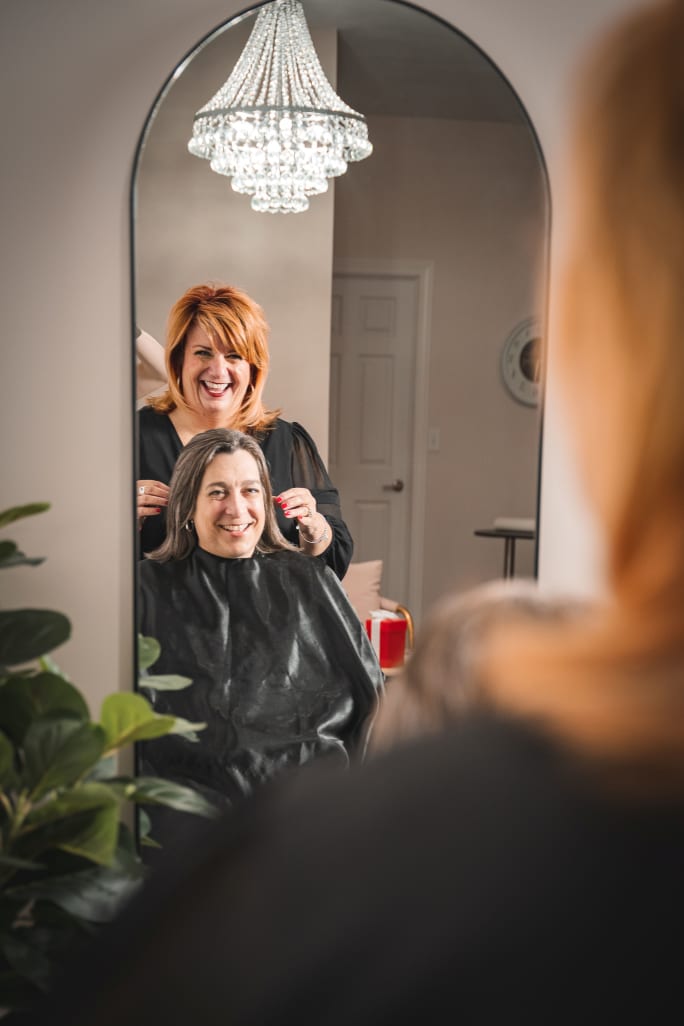
Kim Becker with a client
Kim Becker, co-founder of Hello Gorgeous! of HOPE
Becker reminds stylists that clients may look to them for beauty guidance, comfort, and reassurance. Sometimes the most important thing is a smile, a hug, and the confidence that the client can count on you.
Whether a beauty professional chooses a commission salon, booth rental, salon suite or salon ownership, the common thread is having more choices than ever before.

Sport Clips Haircuts will host its inaugural "Level Up Live," a first-of-its-kind virtual event that combines live haircutting education, career inspiration, product knowledge, and employment opportunities for licensed stylists and cosmetology students nationwide.
Orthopedic PT reveals three daily exercises plus ergonomic advice that can help salon professionals avoid the aches and injuries caused by standing, bending and repetitive overhead work.

Four publications for beauty industry professionals to enhance their leadership skills, financial awareness, professional growth, and joy!
Salon suite pioneer Karen Kaminski argues that the next evolution of independent beauty businesses won't be defined by beautiful spaces alone, it will be driven by smarter systems that help professionals spend less time on administrative work and more time serving clients.

At a time when many LGBTQ+ people felt compelled to hide parts of themselves, Carlos Valenzuela found a career in beauty and a community that offered opportunity based on what you could do and how well you could do it.

Whether it's social media, fashion, film, art, or culture, Chaz Dean advises stylists to stay aware of what's inspiring people. Take the elements that make sense for you in these five lessons learned through a life in beauty.

For Jessica Domoney, building a successful career isn't about saying yes to every opportunity, it's about protecting your time, investing in yourself and creating an experience clients won't forget.
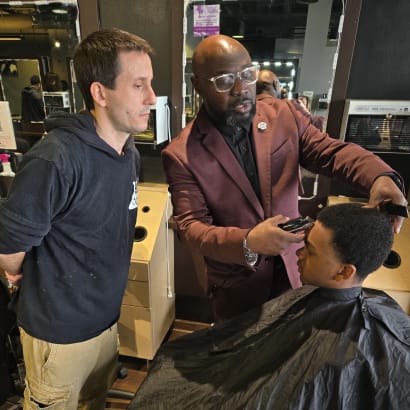
MODERN SALON sat down with Samuels to discuss the book, beauty education, mentorship and the habits that help beauty professionals thrive.

"The mistake people make is treating AI like a vending machine instead of a personal assistant." Digital marketing expert Scott Moon shares how beauty professionals can use AI while staying authentic

Real-world advice on creativity, consultations, color, burnout, business, boundaries, inclusivity, client care, and career growth from educators and industry experts.
Today's clients are hearing more about longevity, biohacking, inflammation, and healthy aging than ever before. This article explores the science and language behind the skin longevity movement, and what it could mean for client consultations, treatment recommendations, and professional credibility.

Licensed to Thrive, Anna Manukyan's all-in-one beauty career and financial masterclass, is being gifted to professionals who enroll in L'Oreal LEVEL Rewards for a limited time.

From breaking free of external validation to creating joy-based goals, discover a more sustainable and fulfilling path to success.

A full day of education for hairstylists and salon pros focused on pricing, personal branding, client experience, social media, and long-term career growth.
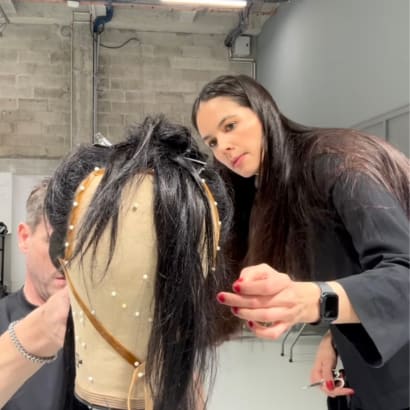
From working backstage at multiple Paris Fashion Week shows to collaborating on four creative collections and expanding her international stage work, Michelle Bowden has had an incredible year of growth. Here, we break down her approach that drove her momentum, offering a framework for stylists looking to elevate their own careers.
This marks Ulta Beauty’s first scholarship partnership with Beauty Changes Lives, building on years of enthusiastic support for the organization and its mission.