





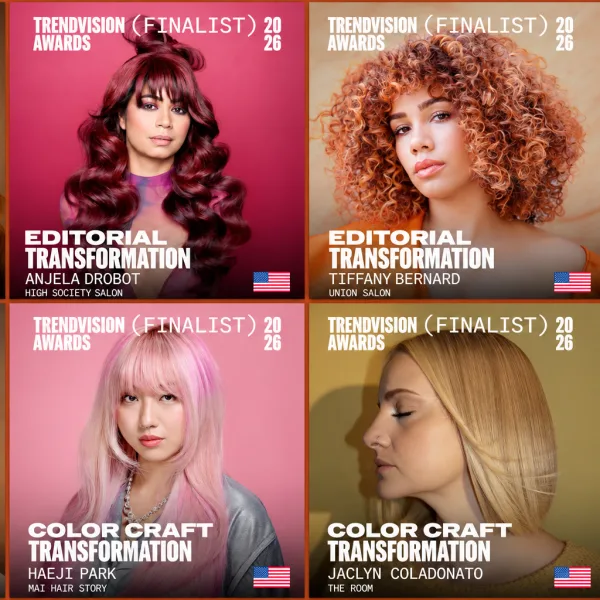
Wella Announces the Finalists of Wella Trend Vision Awards
This year’s awards centered around the Monochromatic trend, which is rooted in minimalism and intentional by design.
by Anne Moratto
 MENU
MENU SEARCH
Olivia Garden celebrates 50 years in 2017.
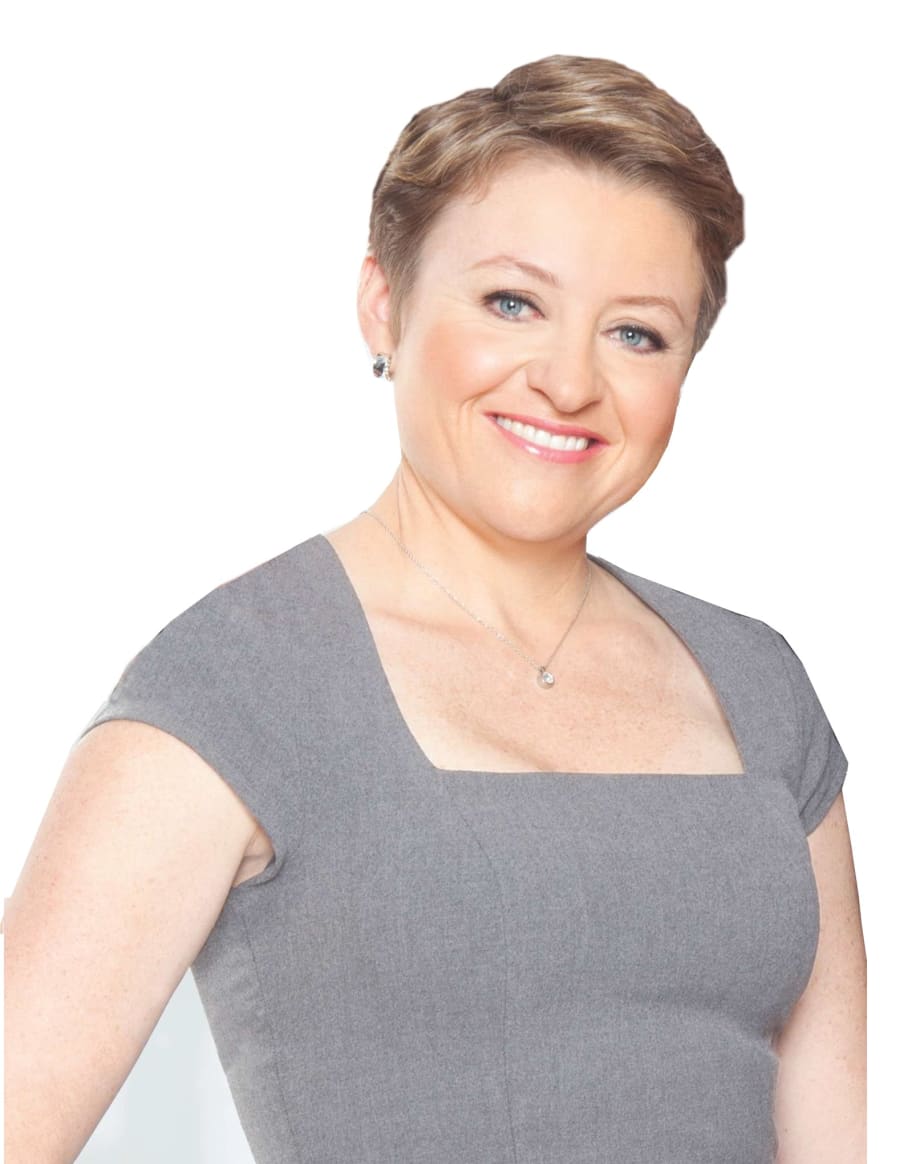
Olivia Gardencelebrates 50 years in 2017. Daughter of the founders, Anne Maza, spoke with MODERN SALON to share a timeline of innovation and talk about what it took to be successful for half a century.
“Everything that we do, we do it for the hairdresser,” Maza says. “Our passion is to make sure they have the best, most innovative tools possible.”
MS: Please share some background on the brand.
AM: Olivia Garden was started in 1967 by my parents, Jean and Micheline Rennette, in Belgium. My father was a school teacher and my mom was an esthetician and hairdresser. The wig and the hairpiece industry was very big at the time and they thought they could find something better than what was currently being offered. So my father went off to Hong Kong, with no prior experience in manufacturing, where he set up a factory to make wigs and hairpieces and then started selling them in Belgium as a fashion accessory. He would go to the salons in Belgium with wigs that my mother had colored and styled, hairdressers and their clients would see them and place orders. This is how they built their business.
And then, as with all trends, eventually the wig business died in the 70s. Still, they had created all these connections to the stylists and in 1974, they transitioned into liquid products and we introduced Clairol in Belgium. In 1976, they launched the first non-aerosol hair spray.
My father invented and patented the first silent blow dryer in 1979 called Silence HP. I still use it myself to this day. When perms were big in the 1980s, we invented a system of interlocking curlers without rubber bands that avoided the band mark across the hair. We were very successful with these and we started exporting our products to all of Europe, Japan, U.S., and Canada.
Once in the U.S, we came out with our first brush in 1998. The unique thing was that it had a lifetime warranty against manufacturer’s defects. We were the first to have a ceramic and ionic brush, combining both technology into the same brush. We also pioneered the concept of retailing the brushes and we got into apparel, shears, brush cleaners, and more.
MS: Why and when did you decide to make the move to the U.S.?
AM: To really get a foothold in the U.S. market. It was 1985, I was 12 and my brother was 14. It’s a big mistake for companies to think, that since they're successful in Europe, they'll take the exact same thing and be successful in America. The markets are completely different. You really have to know your customer base from all aspects. So we wanted to do it right by being here.
My father managed his company remotely from the U.S., flying back to Europe every three months. My mother was answering the calls here and shipping all the orders. Every day after school, I would type my father's notes on the typewriter. And my brother would do the accounting. At that time, we first started advertising our products to hairdressers. Distributors didn't really know us, so we needed to build that demand in the U.S. for the product, little by little. I would say that that took a good five years to get there.
MS: How did you become distributors?
AM: My father met a lot of American companies who wanted to be in Europe and didn't know how to get into it. It was especially difficult before the European Union. But my father was in 13 countries, with13 languages, 13 currencies, 13 customs to clear and he understood what was needed. If you sold to my father in Belgium, he would distribute, and he would translate all the literature into 13 languages for all the products. He became a massive distributor for several U.S. companies. It was an opportunity that we hadn't planned on but that just happened because we happened to be here and we had a network over there.
MS: How about some recent milestones?
AM: In 2012, we reached over 10 million brushes sold. Also, we are the first and only, still to this day, to have a brush App that you download and then learn what brush is right for each type of hair.
In 2013, we did our first Look Book to focus on the end result, not just show pretty pictures of product. We showed about eight different styles and we listed which brushes were used for those different styles.
In 2014, we launched Heat Pro, the first brush that would heat up to 550°. We also started doing Fashion Week sponsorships that year. We have photography to back up our participation backstage and front of the house and we do amazing videos. At New York Fashion Week, my brushes have just as much to do with the way the hair looks as the hairspray used.
In 2015 we surpassed 100 countries in which our products are available and in 2016, we revamped all of our booths.
MS: What is a big focus for you now and in the future?
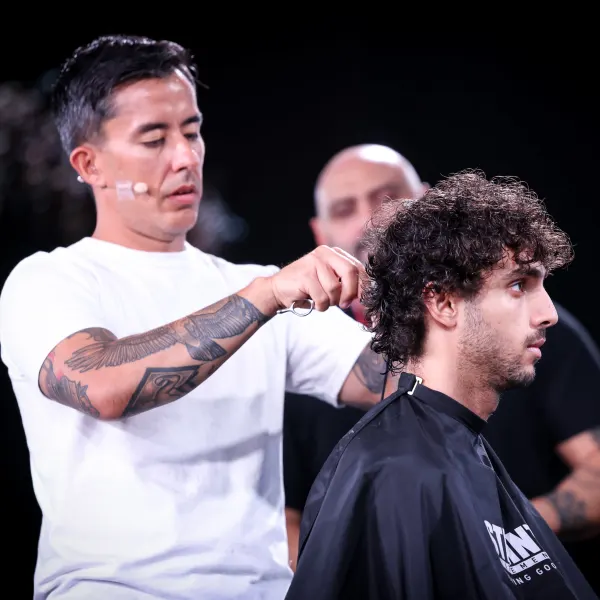
AM: The big thing is our education. We’re doing classes at all the major shows this year. We’ll be teaching cutting and styling technique along with product knowledge and we’ll teach the same class until we get it perfect. At ISSE, stylist Ricardo Santiago was teaching our class and he was showing how to finish a style with brushes instead of a hot tool, which can be so damaging to the hair over time. After we've done this class many times, we're going to distributors to offer it for their customers.
This year’s awards centered around the Monochromatic trend, which is rooted in minimalism and intentional by design.
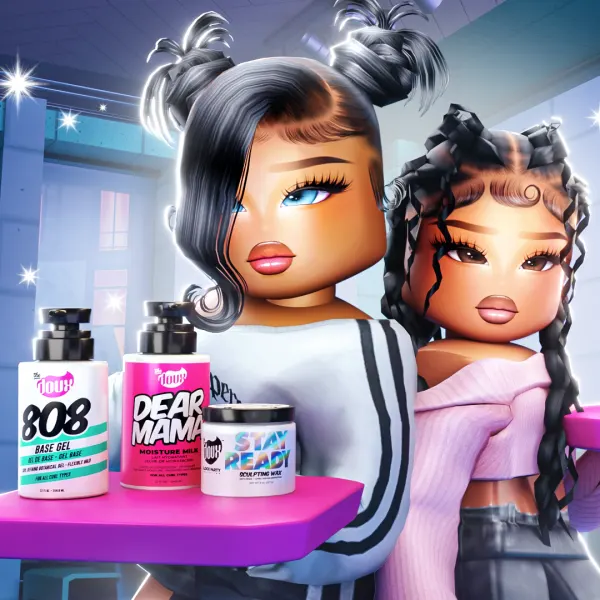
Haircare brand The Doux has launched “My Salon Empire,” a free-to-play salon management game on Roblox, helping the next generation celebrate the diversity of textured hair and explore salon entrepreneurship.
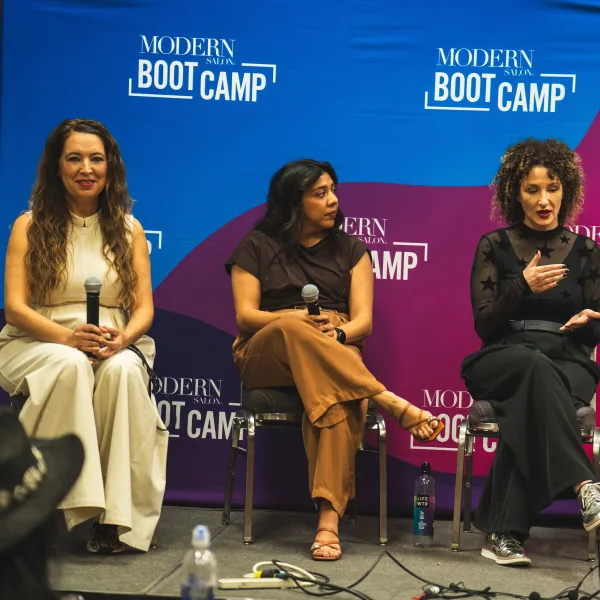
The show reported 30% attendance growth. It felt that way. This event for the southwest professional beauty community had heart, spice, and something for everyone.
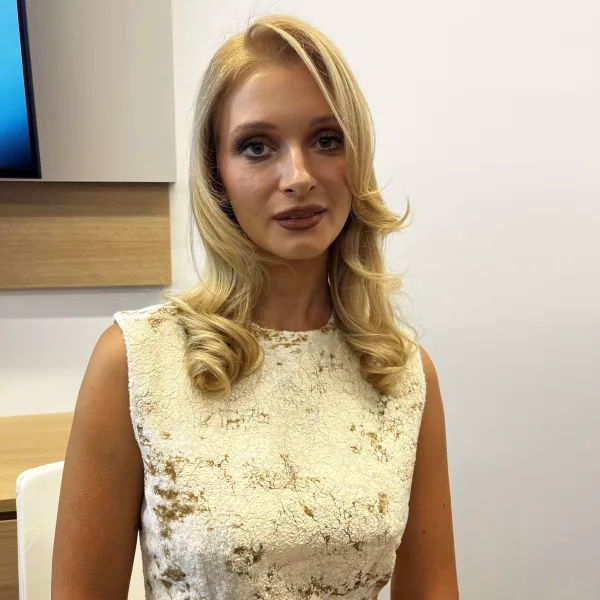
Wella artists presented the Monochromatic trend movement, introduced new Pure Perfection color and Sebastian styling innovations, while the Wella team created interactive fun throughout Wella Studio in Los Angeles.

Dominique LyVar, an influential educator and artist, is remembered by those who loved him for his significant impact on the industry and contributions to the community.
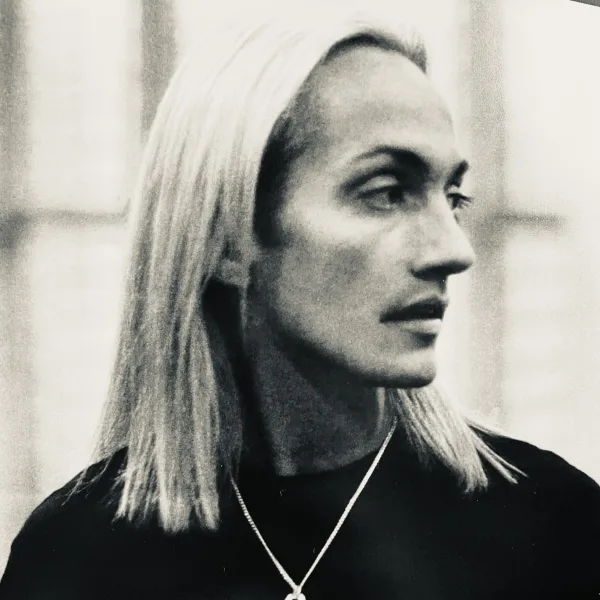
Known for his buttery blondes and a technique for highlighting hair with more precision that he called chunking, Brad Johns died on August 27. His friend and fellow colorist, David Stanko, shares thoughts on his talented colleague and close friend.
As technology evolves at an accelerated rate, you want to make sure you have the best in your business toolkit to help you grow sales, motivate your team, communicate with your current and future clientele, and streamline your managerial tasks. The 2026 SALON TODAY Technology Solutions Guide is designed to help you navigate today's growing landscape of salon and spa technology. In this guide, you'll find a curated look at more than 50 of the latest software platforms, digital solutions, and innovative features to help you compare options and identify the best fit for your business.
The Davines Edit reflects the brand’s passion for people and planet.
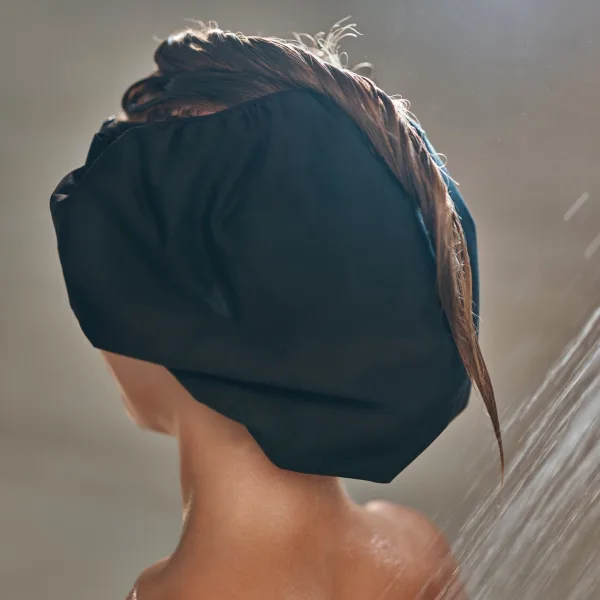
RÜTE Wash introduces a shower cap designed specifically for crown washing, helping clients with hair extensions cleanse the scalp while protecting the lengths from water.
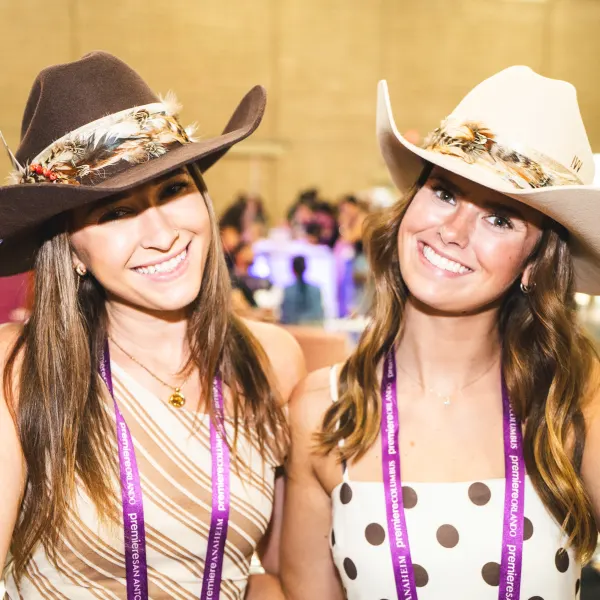
Premiere San Antonio Presented by SalonCentric returns for its fourth edition August 30-31 at the Henry B. González Convention Center, delivering its biggest and boldest event to date.
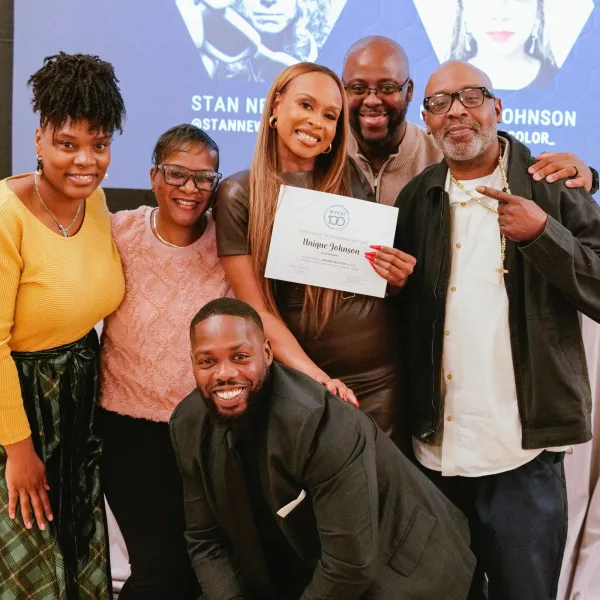
One-Day Personal and Professional Development Education Event for Beauty Professionals Set for October 25, 2026, at the Hilton Philadelphia City Avenue.
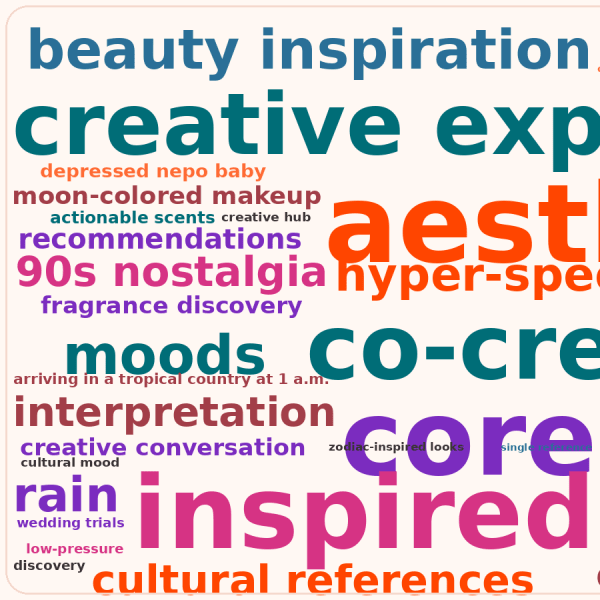
According to the report, people are moving away from copy-paste trends and toward community, using real experiences to develop a sense of taste and beauty that reflects who they are.

Hairstylists and barbers can showcase their creative and technical vision in two global categories with cash prizes and a chance to represent in Portugal.
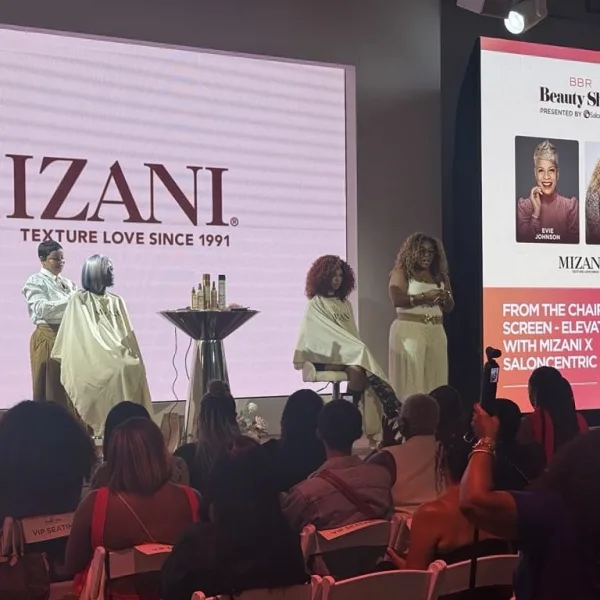
The BBR Beauty Show featured a prominent speaker lineup including Lacy Redway, Karrueche Tran, Danessa Myricks, Chelley B., Sabrina Elba, Jessica Harris-Dupart, and more.
The Professional Beauty Association and Pivot Point team up to develop an ongoing study that measures the confidence of salon owners, stylists, school owners, and students.
This shared recognition celebrates the strength of industry collaboration in advancing professional mobility.
In Dubai, a salon visit isn’t an appointment. It’s a weekly routine, and clients can spend $800 to $1,400 a month on it, according to Gaurav Tripathi of MADI International. On October 6-8, 2026, the market behind those numbers opens its doors as Beautyworld Dubai marks its 30th edition at the Dubai World Trade Centre, bringing together distributors, brands, stylists and salon owners from all over the world.
Sponsored by BeautyWorld Dubai