“I’ve had many questions about vertical placement, as if it is a foreign concept, but the truth is all of us have used this placement. You just don’t remember."
Anne Moratto・Director of Brand Content Strategy, MODERN SALON and NAILS
The power of placement is beautifully illustrated in this video by artist, educator, and Kenra Artistic Ambassador, Mirella Manelli. The founder of @rebelfemme_salon, Manelli covers four different foil placements using all slices.
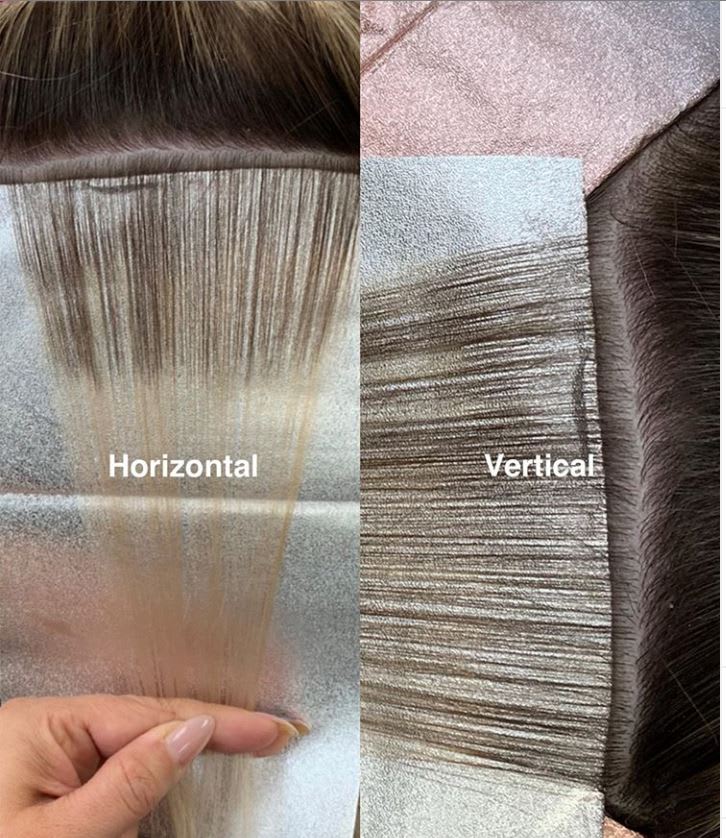
“Vertical or horizontal - what’s the difference and how do you know when to use them?” she asks. “A general rule of thumb is horizontal will allow for the most blended and natural effect, and vertical will allow for the maximum contrast, also elongating the hair.” Horizontal is a go-to for blending, but also can create a stopping point on layered hair. Vertical will add contrast, but can also elongate short layers.
Ad Loading...
“I’ve had many questions about vertical placement, as if it is a foreign concept, but the truth is all of us have used this placement. You just don’t remember. Vertical is relative to the space you are working in," Manelli continues. "For example, we have all done what we have thought to be horizontal placement on the mohawk section in the front, but in reality it is vertical. The reason it’s vertical is because it’s relative to how the hair parts or naturally falls. If you split the hair down the center or even the side, you should see a pattern of dark and light rows. This creates contrast, or vertical placement.”
Manelli says if you were to stand on the side of the head and truly work in horizontal highlights all the way to where the hair parts, this placement will create much more softness. Also, note how thin her slices are, ensuring full saturation and even lift.
“So the next time your client says ‘chunkier’ try vertical placement instead of a horizontal one!”
From tackling stubborn grays and unwanted warmth to achieving the perfect blonde, Moroccanoil Professional artists share their advice and color solutions.
Schwarzkopf Professional Ambassadors Carly Zanoni and Brendnetta Ashley share the express color and treatment services helping stylists deliver great results in under 30 minutes while creating new opportunities for client retention and revenue growth.
In an industry with so many options and opportunities, we asked artists what made them niche down and select a specialty. Amelia Fugitt (@ameliahairmakeup) says choosing to focus on transformations has transformed her career.
Craft with confidence, challenge your creativity, work from inspiration. Prepare your chair for every canvas with Moroccanoil's expanded color lines and advanced technology.
Create a look of quiet luxury with this modern take on ombré, featuring beautiful dimension and depth with strategic pops of blonde around the face and ends. The initial effect is bright and beautiful, with purposefully placed depth creating longevity as the hair grows out.
Oligo Professionnel, the Montreal-based hair color powerhouse, expands beyond the salon with a new routine-driven system designed specifically for blondes and those with highlighted hair.
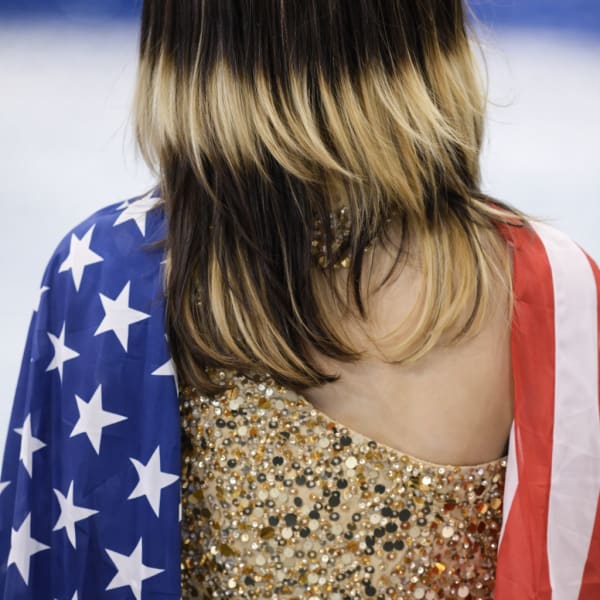
Ahead of the Winter Olympics, Alysa partnered with St. Louis–based color specialist Kelsey Miller to elevate her DIY bleach work into clean, high-contrast halo placements.
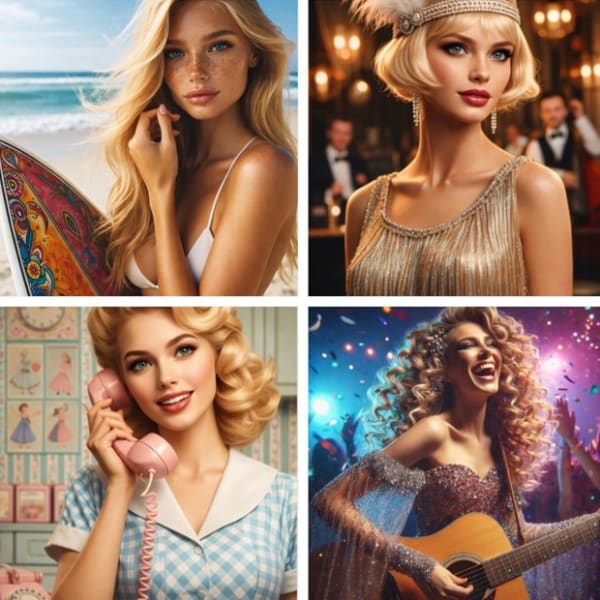
Blonde hair is as All-American as baseball, apple pie, and Stars and Stripes forever. And as America approaches her 250th birthday next year, we celebrate the birth of the Global Blonde.