




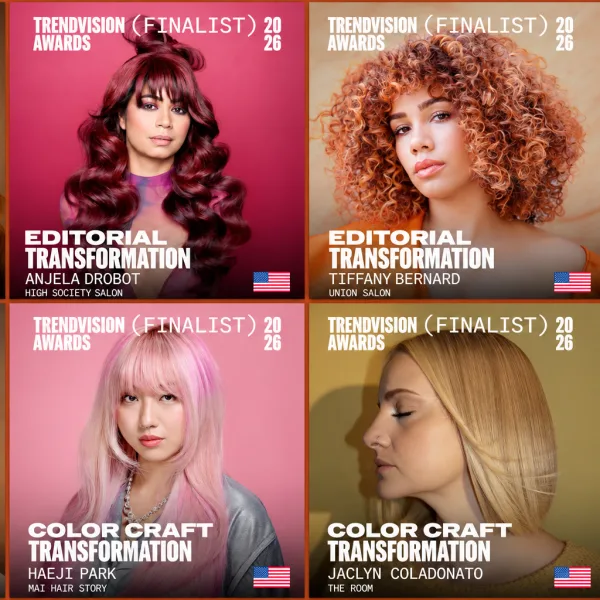
Wella Announces the Finalists of Wella Trend Vision Awards
This year’s awards centered around the Monochromatic trend, which is rooted in minimalism and intentional by design.
by Anne Moratto
 MENU
MENU SEARCH
When should you factor in whether a shampoo contains sulfates? How should you educate your clients about the latest research on sulfates? MODERN texture asked top artists and product developers who know their ’poo.
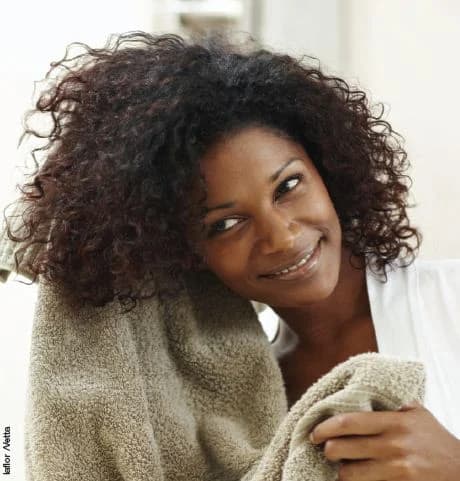
For each client, you determine a shampoo selection based upon your experience with different cleansers and your knowledge of the client’s hair texture. When should you factor in whether a shampoo contains sulfates? How should you educate your clients about the latest research on sulfates? MODERN texture asked top artists and product developers who know their ’poo.
Q: How should salon professionals explain to clients what sulfates are and why they are controversial?
“Sulfates—the most popular being Sodium Lauryl Sulfate, or SLS—cut oil and grease,” says Macadamia Natural Oil Global Artist Erica Jemison. “They also help shampoos to lather and give them their ‘soapiness.’”
Experts agree, sulfates are found not only in shampoos, but in products clients will likely come in contact with on a daily basis, from toothpaste to dish soap and detergent. Mitchel Wilson, creative director of Learning Lab 2 for TIGI, explains “a sulfate acts as a magnet for oil and dirt. It attaches to the molecule, which then becomes heavier and rinses clean.” The water in shampoo tends to dry out and strip hair color, and some research points to sulfates as a further culprit in both areas.
“Curls tend to be inherently dry, and sulfates strip them of their natural moisture and oils—leaving them dehydrated and damaged,” says Kimberly Heathman, director of marketing for DevaCurl. “In addition, the sulfates irritate the scalp. It’s also important to communicate to clients that many conditioners and styling products also contain sulfates.”
Wilson says he encourages clients who are concerned about sulfates to read the full list of ingredients. “A product may say ‘sulfate-free’ on the front of the bottle,” he notes, “but on the back you may see a sulfate descendant or ‘relative’ listed. For example, ‘sulfonate’ is a cousin.”
Q: In the past, why did formulas routinely contain sulfates?
“Sulfates are surfactants, and they have been around for more than 75 years,” reports Heathman.
They were included in formulas because “the old school of thought was the more foam the better—which is not accurate,” Jemison says. The traditional “squeaky clean” feeling that clients sought became tougher to achieve as styling products and hair sprays grew popular.
“Sulfates clean up product buildup,” notes Mizani educator Evie Johnson. “But today clients don’t want their hair to lather, because they think that will make their hair dry.”
Q: Which clients should stylists steer toward using sulfate-free cleansers?
Heathman and Jemison agree all hair types, texture and color benefit from March 2014 9 sulfate-free products. While Wilson recommends sulfate-free formulas for clients who express concern about sulfates, he says he is convinced from his own extensive research that clients need not shun sulfates. “Higher concentrations of sulfates will be harsher and scrub out more color molecules, but water does that, too,” Wilson observes. “Do I see a tremendous amount of difference in color preservation or dry hair between formulas that are sulfate-free and those that contain sulfates? No.”
Johnson aims for a balance customized for every client. “Depending on how dry the hair is, I usually recommend sulfate-free formulas for clients who have naturally coarse hair, use keratin or get a color service,” she says. “But someone with fine texture whose hair gets very oily and must shampoo often? That client wants to avoid buildup that can occur with frequent shampooing and styling, and her hair can take a sulfates formula.”
Q: How will this topic be trending in 2014?
“We foresee professional brands moving to the ‘no-poo’ direction for the health of the hair and scalp for both textured and straight-hair clients,” says Heathman. “Clients understand the benefits of natural ingredients and the damaging effects of sulfates and silicones to hair.”
Others anticipate that sulfate-free formulas will continue to share shelf space with sulfate-containing products. “I think the sulfate-free/sulfates ratio will land at about 80/20,” says Johnson. “New technology offers ingredients like jojoba, coconut, argan and sesame oil that act as moisturizing agents to help replenish moisture, so I don’t see us going completely sulfate-free.”
This year’s awards centered around the Monochromatic trend, which is rooted in minimalism and intentional by design.
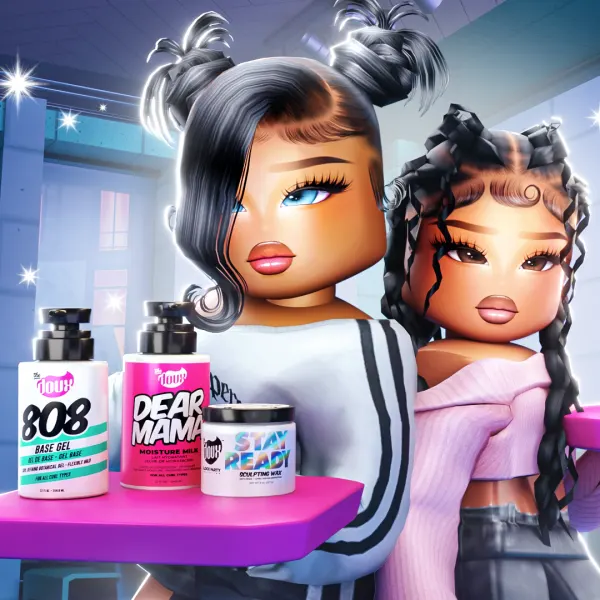
Haircare brand The Doux has launched “My Salon Empire,” a free-to-play salon management game on Roblox, helping the next generation celebrate the diversity of textured hair and explore salon entrepreneurship.
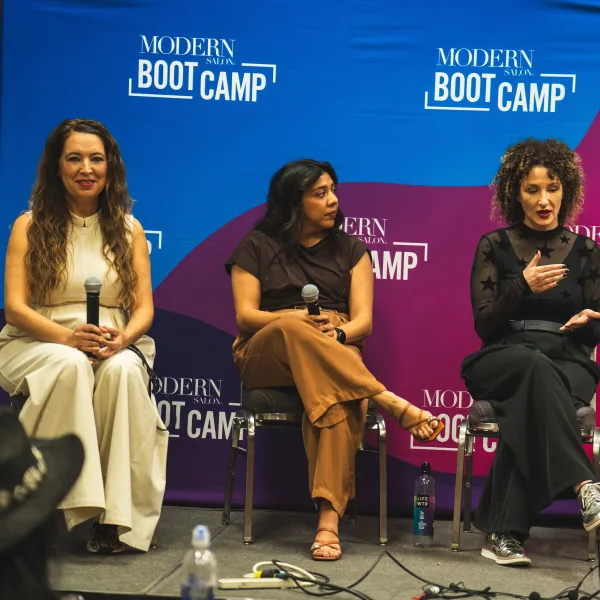
The show reported 30% attendance growth. It felt that way. This event for the southwest professional beauty community had heart, spice, and something for everyone.
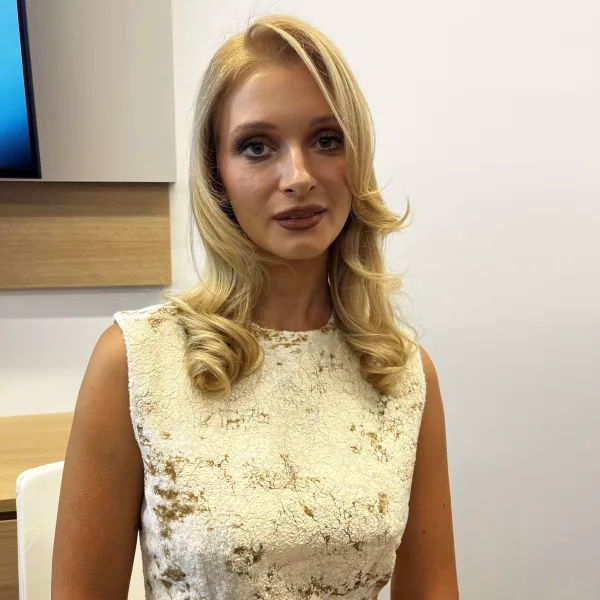
Wella artists presented the Monochromatic trend movement, introduced new Pure Perfection color and Sebastian styling innovations, while the Wella team created interactive fun throughout Wella Studio in Los Angeles.

Dominique LyVar, an influential educator and artist, is remembered by those who loved him for his significant impact on the industry and contributions to the community.
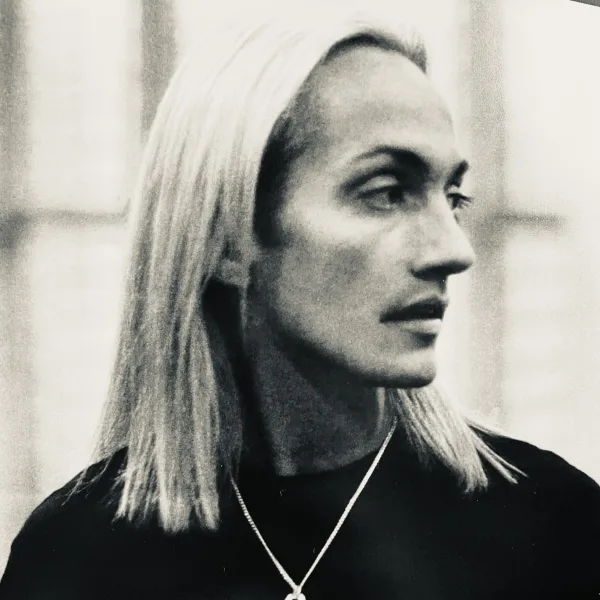
Known for his buttery blondes and a technique for highlighting hair with more precision that he called chunking, Brad Johns died on August 27. His friend and fellow colorist, David Stanko, shares thoughts on his talented colleague and close friend.
As technology evolves at an accelerated rate, you want to make sure you have the best in your business toolkit to help you grow sales, motivate your team, communicate with your current and future clientele, and streamline your managerial tasks. The 2026 SALON TODAY Technology Solutions Guide is designed to help you navigate today's growing landscape of salon and spa technology. In this guide, you'll find a curated look at more than 50 of the latest software platforms, digital solutions, and innovative features to help you compare options and identify the best fit for your business.
The Davines Edit reflects the brand’s passion for people and planet.
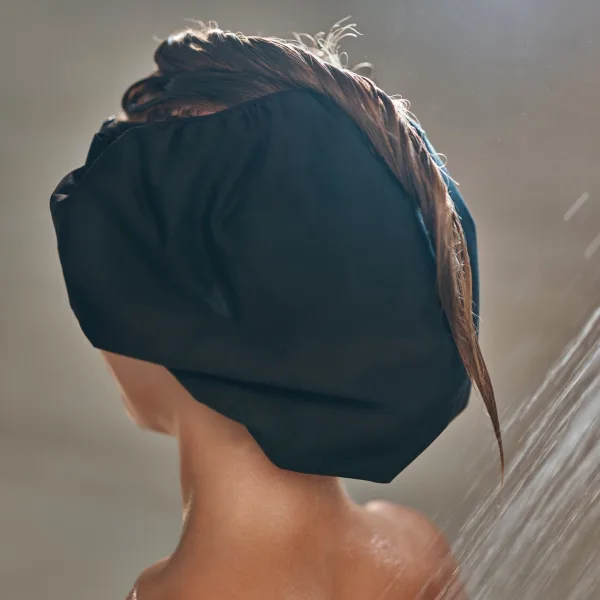
RÜTE Wash introduces a shower cap designed specifically for crown washing, helping clients with hair extensions cleanse the scalp while protecting the lengths from water.
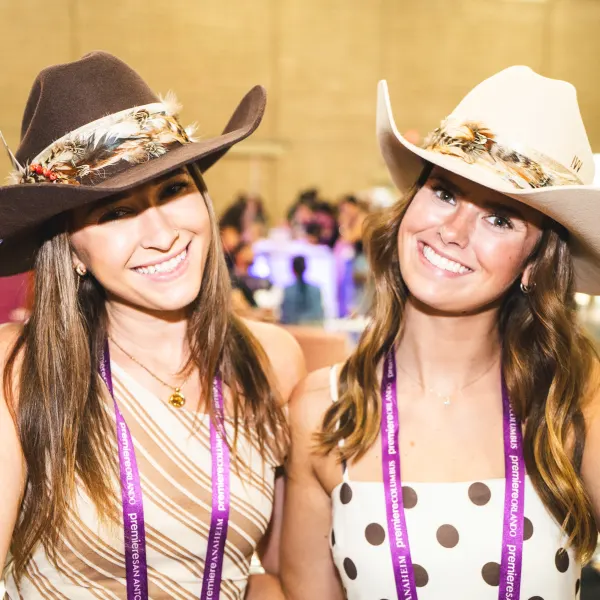
Premiere San Antonio Presented by SalonCentric returns for its fourth edition August 30-31 at the Henry B. González Convention Center, delivering its biggest and boldest event to date.

One-Day Personal and Professional Development Education Event for Beauty Professionals Set for October 25, 2026, at the Hilton Philadelphia City Avenue.
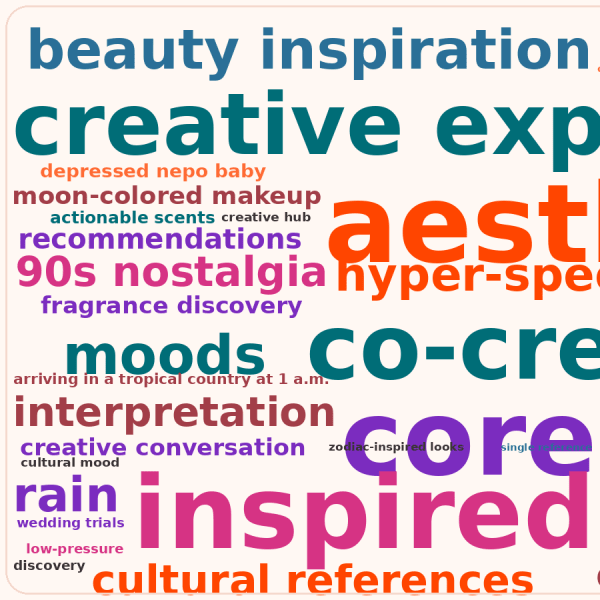
According to the report, people are moving away from copy-paste trends and toward community, using real experiences to develop a sense of taste and beauty that reflects who they are.
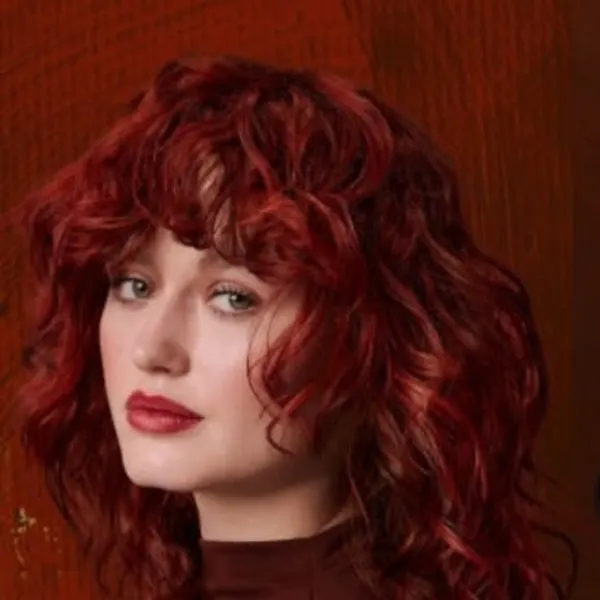
Hairstylists and barbers can showcase their creative and technical vision in two global categories with cash prizes and a chance to represent in Portugal.
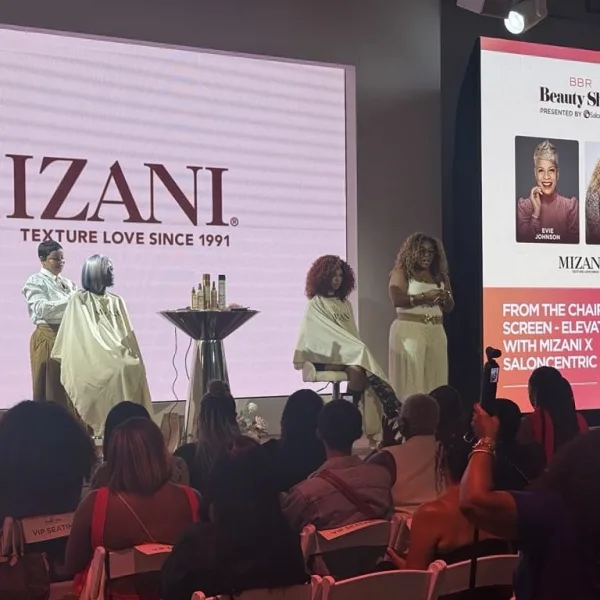
The BBR Beauty Show featured a prominent speaker lineup including Lacy Redway, Karrueche Tran, Danessa Myricks, Chelley B., Sabrina Elba, Jessica Harris-Dupart, and more.
The Professional Beauty Association and Pivot Point team up to develop an ongoing study that measures the confidence of salon owners, stylists, school owners, and students.
This shared recognition celebrates the strength of industry collaboration in advancing professional mobility.
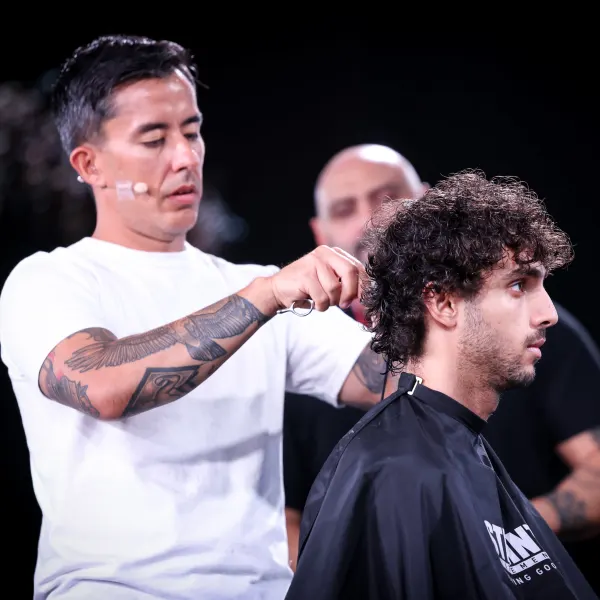
In Dubai, a salon visit isn’t an appointment. It’s a weekly routine, and clients can spend $800 to $1,400 a month on it, according to Gaurav Tripathi of MADI International. On October 6-8, 2026, the market behind those numbers opens its doors as Beautyworld Dubai marks its 30th edition at the Dubai World Trade Centre, bringing together distributors, brands, stylists and salon owners from all over the world.
Sponsored by BeautyWorld Dubai