




My First Time: A Razor Cut with Nick Arrojo
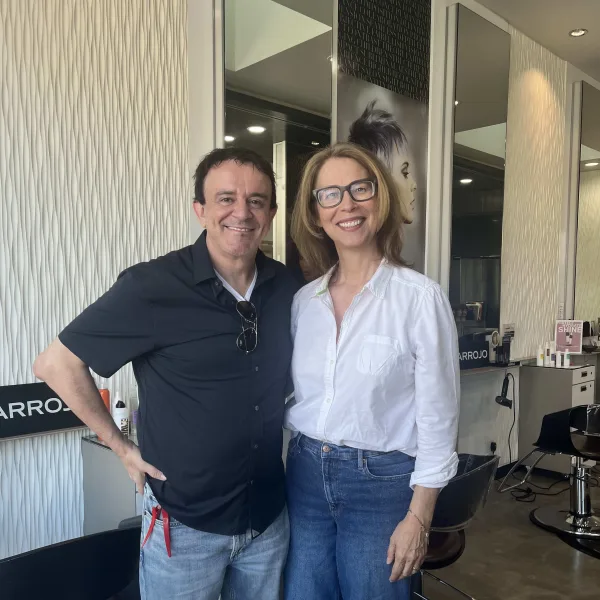
In an anniversary year for the Arrojo NYC brand, on an early Monday morning, Nick Arrojo used a razor on my hair. And I liked it.
by Anne Moratto
 MENU
MENU SEARCH
"It’s about texture… and texture doesn’t have a race." In the days following the killing of George Floyd in Minneapolis, the despair being shared by so many also served to propel Rodrick Samuels, a barber, educator, and owner, into action.
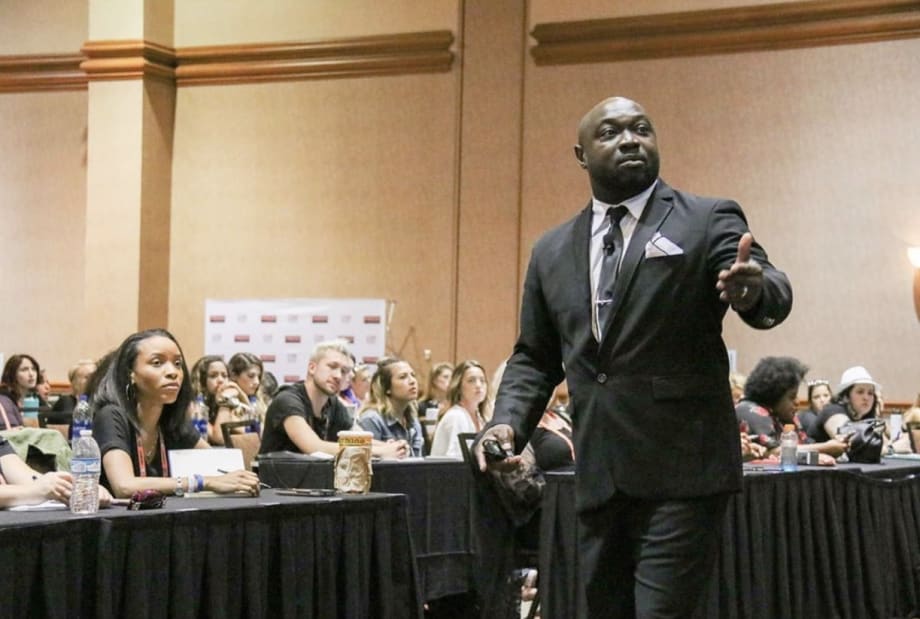
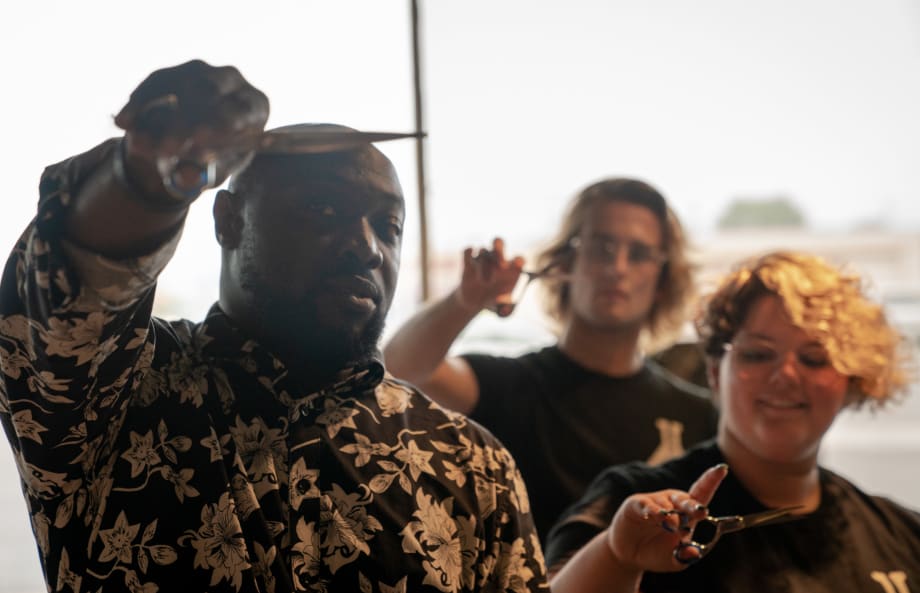
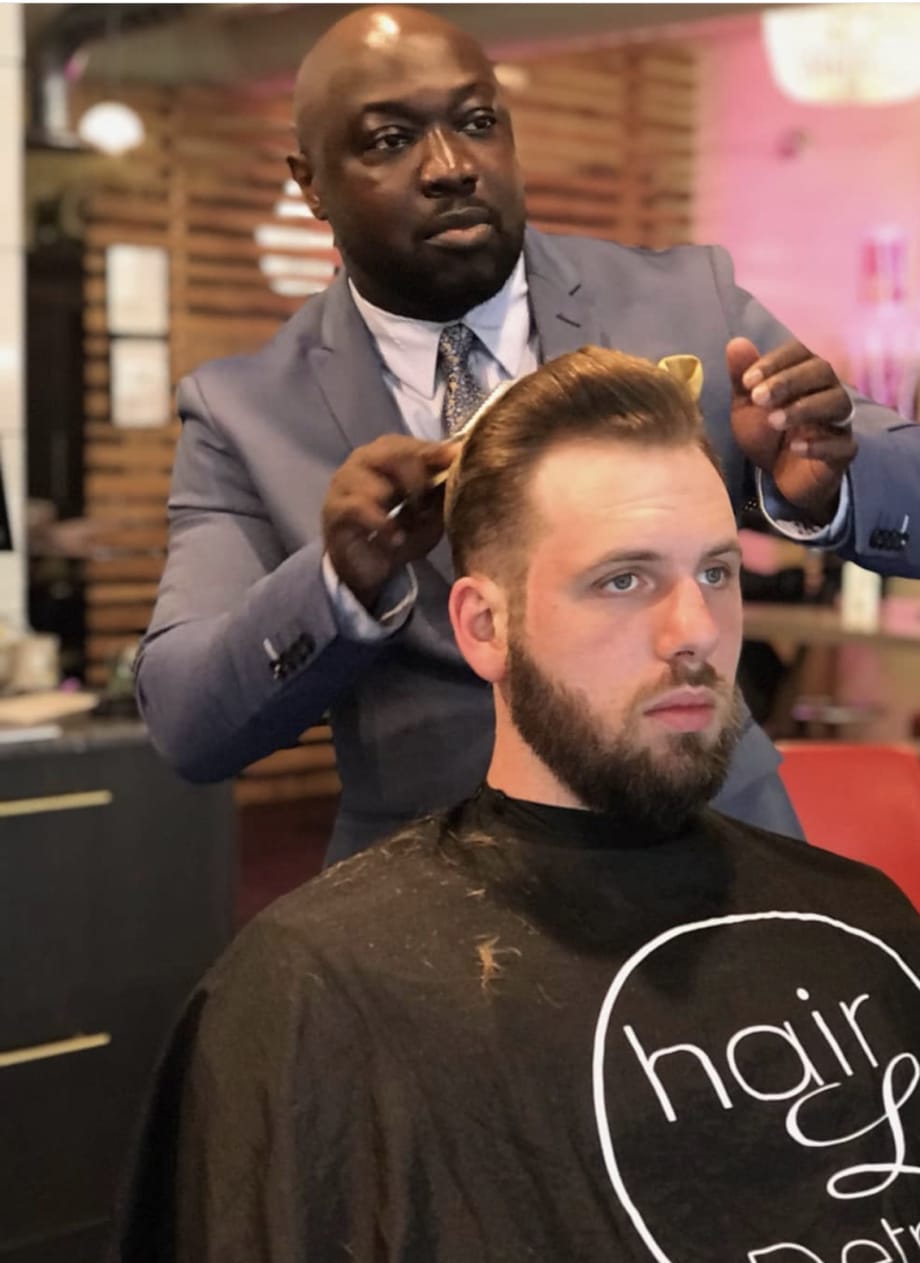
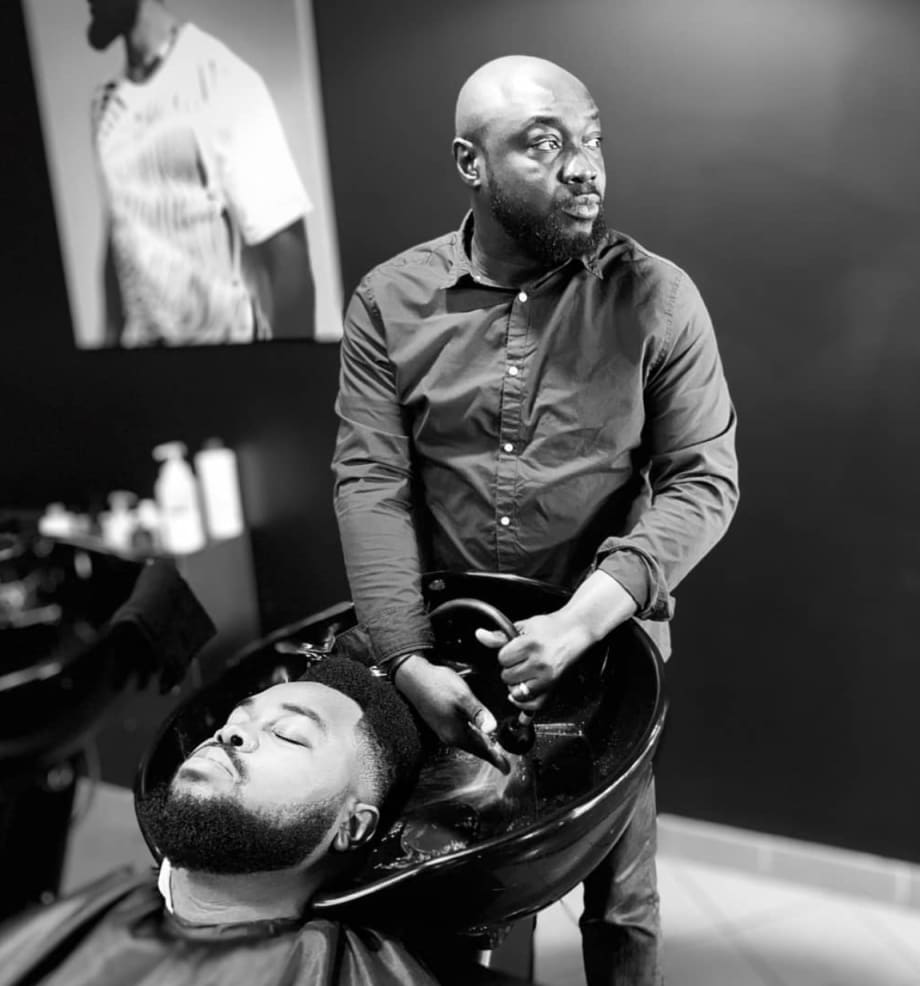
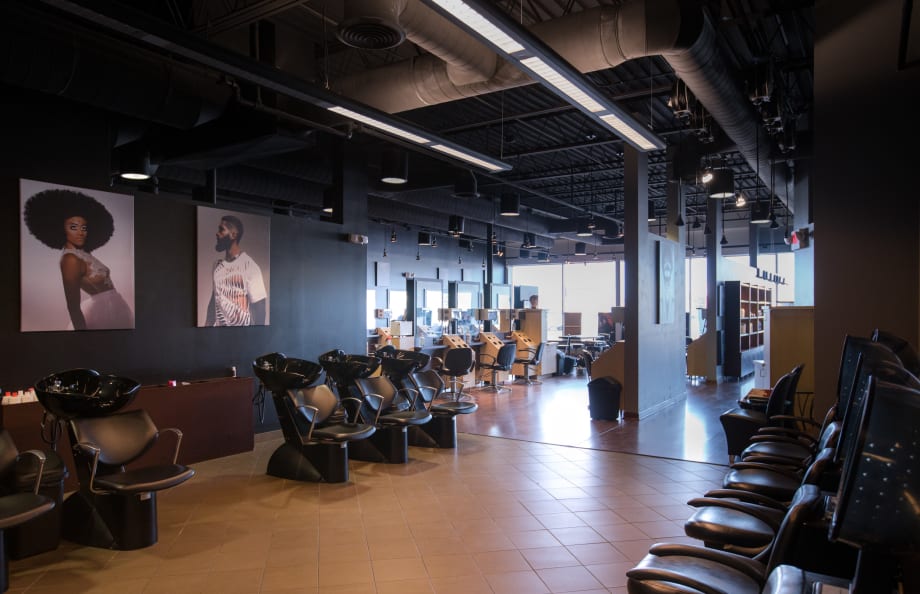
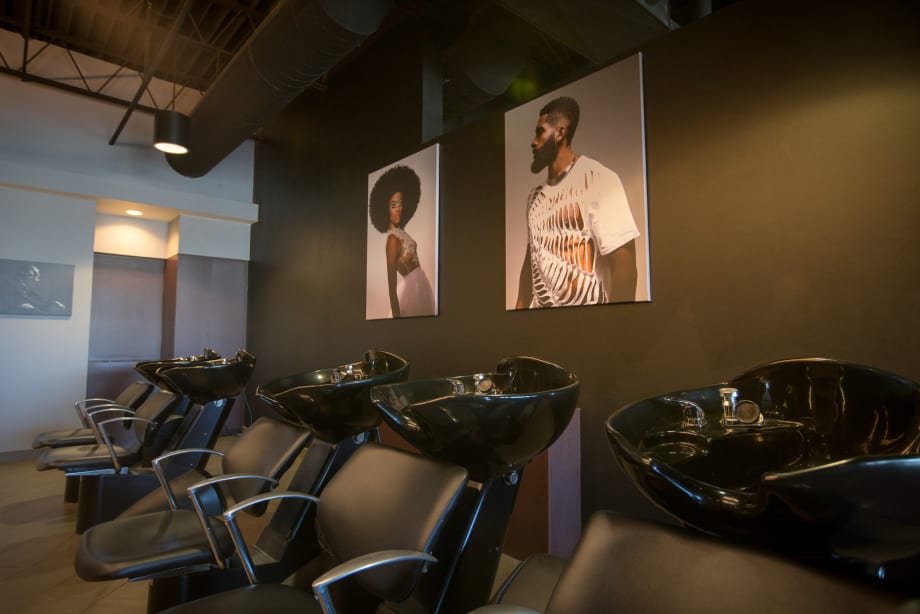
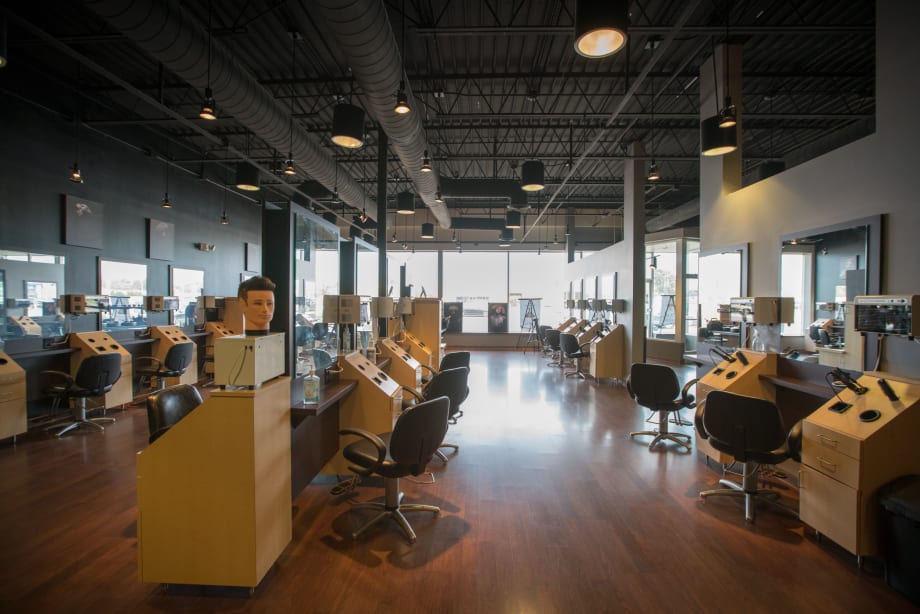
"We want our students to know it doesn’t matter what color you are, who you love, your gender, your faith, we just want them to show up, to work hard, and to listen because knowledge destroys fear."--Rodrick Samuels
*Editor's Note: This article was originally published in June, 2020. Meet Rodrick Samuels at the International Salon and Spa Expo (ISSE) in Long Beach, CA on Jan. 20-31, 2022.
Rodrick Samuelsisn’t afraid to raise his hand. Samuels, an established industry educator, an award-winning artist, motivator, and salon and school owner, is also the State Captain (along with life and business partner, wife Lauren Moser Samuels) for Michigan, a position they hold with the Professional Beauty Association (PBA). A history of stepping up and giving back has taught him that meaningful change on every level—personal, public, local, or global—requires the fire of commitment.
“I’ve gone through things so my students don’t have to,” he says. “I’ve confronted racism in my life and in my industry, and the systemic problems and challenges we have are not going away without uncomfortable conversations and sustained work to erase the divide in our industry.
I'm saying, stop looking at us as black barbers or female barbers, just look at us as a people and as a whole.”
In the days following the killing of George Floyd in Minneapolis, the despair being shared by so many also served to propel Samuels into action. “It’s June 3rd 2020,” he says, “and I find myself fighting for my health, fighting for my life and fighting for my profession. But I want to work to unify and move us forward.”
To that end, Samuels is launching SolidHAIRity, a movement to look inside the industry and outside it, too, to the communities supporting small businesses.
“We’re fighting a few different things,” he explains. “We need non-persons of color to have our back as African Americans. We also need to stop defining ourselves as barber, stylists, colorists—we’re all personal appearance specialists—and we need to focus, as a collective, on what we were taught in school, which is to respect everyone, from all different perspectives. And we need to give back to our community. Every small business has patrons from their communities who are there, through good and tough times. They support us so we need to do the same for them, now.”
MODERN SALON: What do you think are some barriers to change?
Rodrick Samuels: Unfortunately, there are several invisible racial lines in our industry. Sometimes the ideas and the trends and the content put out by corporations and shared with the market come from the culture of African Americans. They are created by people who aren’t getting credit for them, by people who don’t have a seat at the table. Inside these major manufacturing companies, the black people are wearing the blue shirts, the white people are wearing the white shirts. Probably 85% of clipper purchases are made by persons of color—wouldn’t it help to have someone in leadership who looks like them?
As an African American male in our industry I have had to endure some hurdles and, unfortunately, some of the opportunities that I think I should have been afforded didn’t come through and I can’t see any other reason outside of the color of my skin. Some people may disagree, but I can’t get a director position, I can’t get a leadership position, even at barber-driven companies. People see my value and what I bring but I feel they don’t want to have a black man in that position.
The second thing that needs to be overcome involves the education in our schools. Similar to the reform we see in the US through the Department of Education, we need real change in the curriculum for our cosmetology programs. We also need more diversity in our hiring inside the schools and the education system. We’re not equipping our students to be successful, and we’re not training them on the skills they need to serve every client. And I believe this is because there aren’t enough people properly trained to teach these students that hair doesn’t have an ethnicity, it has a texture, and here’s how you work with it. You see it from the classroom to the teaching salons; if I’m a black man going into that school for a haircut, everyone runs the other way.
Education reform isn’t an option, it is a must.
I consulted on and helped to develop Pivot Point's Fundamentals of Barbering but they have always been a company that understood the importance of the stylist and of the expert. But not every company acknowledges the value of the African American stylist. We get hired for supplemental education, for one unit, but they don’t bring African American stylists in to be part of the larger conversation.
There needs to be a paradigm shift. A lot of people think because you’re white, you’re better at straight hair. But in our salon, in downtown Detroit, 90 percent of my clients were white. While my wife, who is white, specializes in curly hair.
We can’t have our industry grow and thrive if the little white girl always runs to the color room every time an African American woman comes into the salon. We can’t have a black gentleman come off the street into a white barbershop and everyone is looking like a deer in the headlights.
It’s about texture… and texture doesn’t have a race.
MODERN SALON: Tell us about your school, Hair Lab Detroit Barber School.
Rodrick Samuels: It took me seven years-- from conception to fruition-- to get a loan to start my first barber school. And when I lost that school, and met with temporary defeat, I went back and did it again. I tell my students this story because everything looks good on social and we don’t see the work behind it but as a leader in my industry, it’s my responsibility to create more leaders. We do that by showing what it took to get there.
In our school, there are no diversity problems because we devote our whole lives to diversity. My marriage is interracial, my family is interracial, and my businesses are interracial. It’s how we live. So we’ve already done the heavy lifting for them, we’ve already confronted that racial divide and said we’re not having it.
Every student needs a champion and somebody that gets that extra push and lets them know it will be ok. We want our students to know it doesn’t matter what color you are, who you love, your gender, your faith, we just want them to show up, to work hard, and to listen because knowledge destroys fear.
In an anniversary year for the Arrojo NYC brand, on an early Monday morning, Nick Arrojo used a razor on my hair. And I liked it.
Join us in congratulating this year's list of hardworking, game-changing individuals.

With more than four decades in the industry, hairdresser and MODE Education founder Stan Newton has built a career around the art and discipline of cutting hair, learning the rules so he can break them.
Ashley Leoncini believes success in beauty is built through genuine connection, resourcefulness and the willingness to evolve. A bridal specialist with 17 years in the industry, Leoncini has created a career by making clients feel valued, investing in hands-on education and redefining success to include a healthier work-life balance.
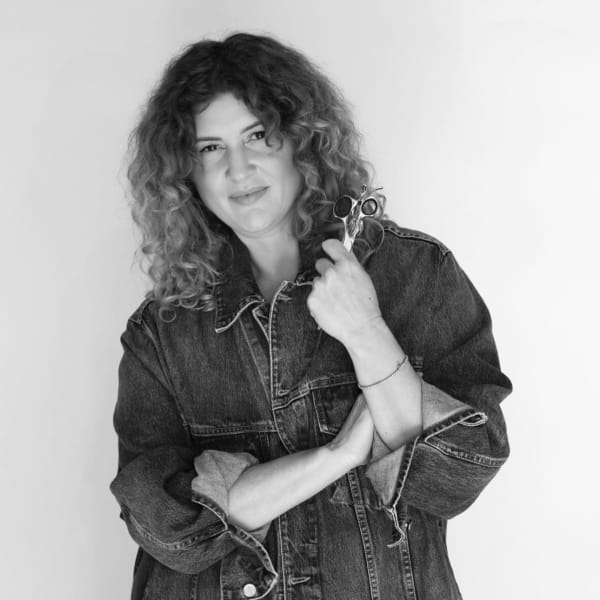
Able to create a shag with gorgeous texture on anyone, Stephanie Carrillo has found her calling within the beauty industry. Now she teaches shag cutting techniques herself, inspiring countless other stylists to fall in love with creating the popular look.
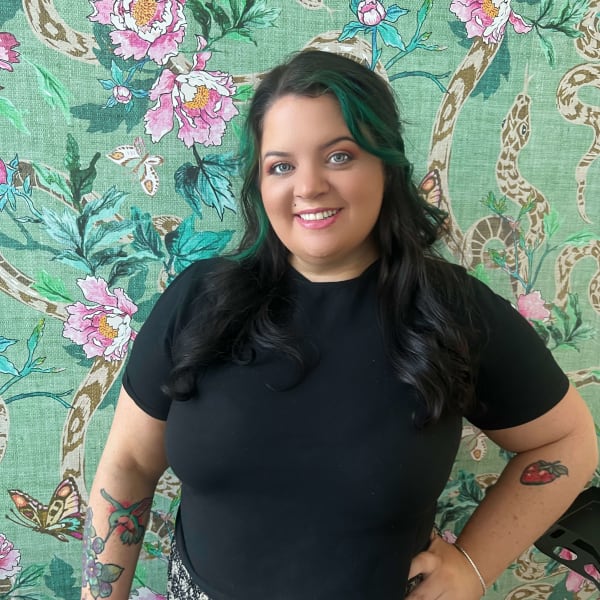
When you think of Stephanie Geib, think bold color. Think beautiful dimension. Think...your hairstylist best friend. As a 2017 Honoree of the MODERN SALON 100, Geib is the perfect example of being a positive force in the beauty industry, advising that being kind to others and sharing your knowledge is the real success.
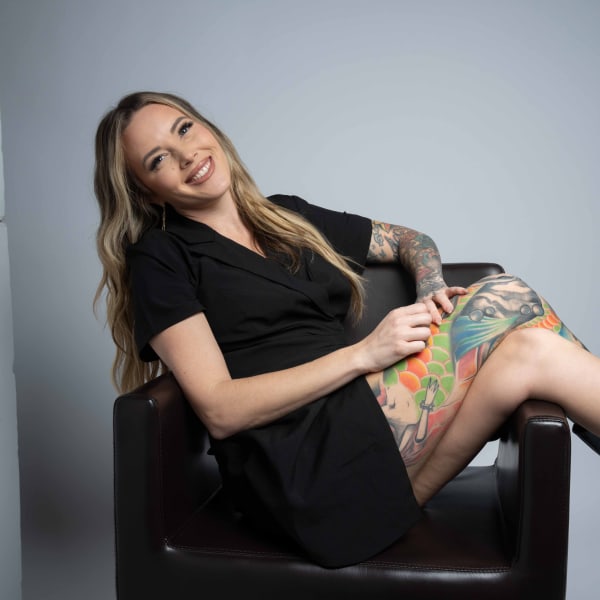
Hannah Mejia believes lasting success comes from mastering your craft, embracing lifelong education and trusting that the career you dream about is within reach. A stylist, educator and content creator, Mejia has spent 15 years building a business rooted in creativity, communication and continuous growth.
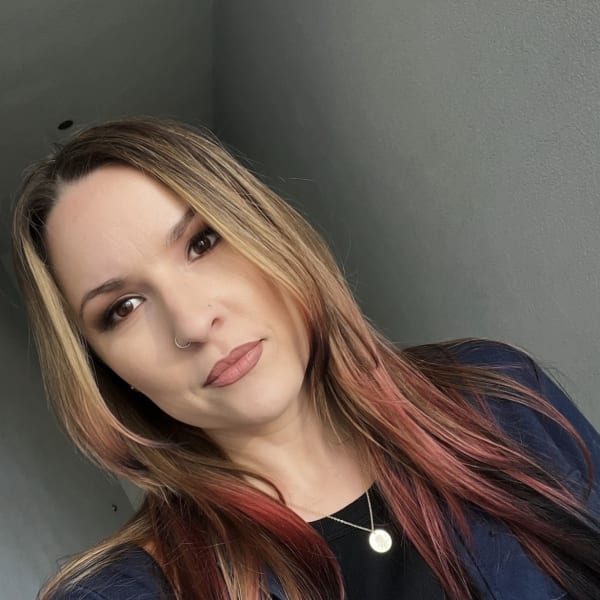
Katy Samuels has spent 14 years proving that creativity thrives when you stop searching for the "right" way and start trusting your own instincts. Known for her creative color work and signature Headband Prism technique, Samuels encourages beauty professionals to embrace mistakes, refine their craft and develop a style that's uniquely their own.
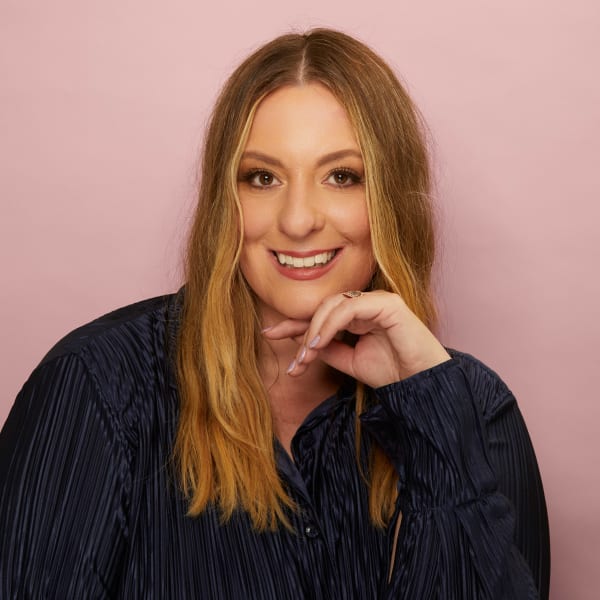
Erin Munoz has spent 17 years building a thriving business behind the chair while proving that success doesn't have to come at the expense of life outside the salon. A color specialist, content creator and salon owner, Munoz believes beauty professionals should treat their careers like businesses, embrace change and make room for both financial growth and personal fulfillment.
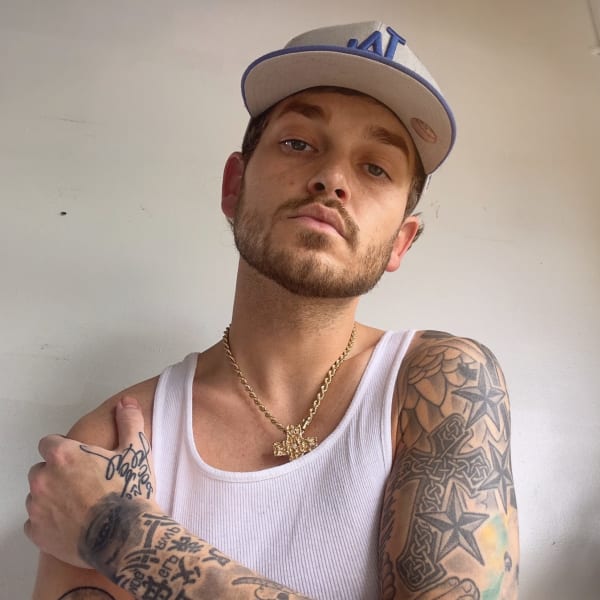
North Carolina-based hairstylist Tyler Plemmons wants you to know one thing: Positivity and perseverance will get you everywhere. This MODERN SALON Artist Connective Member and 2018 MODERN SALON 100 Honoree is known for beautiful balayage, gorgeous vivids, and soft pastel hair color.
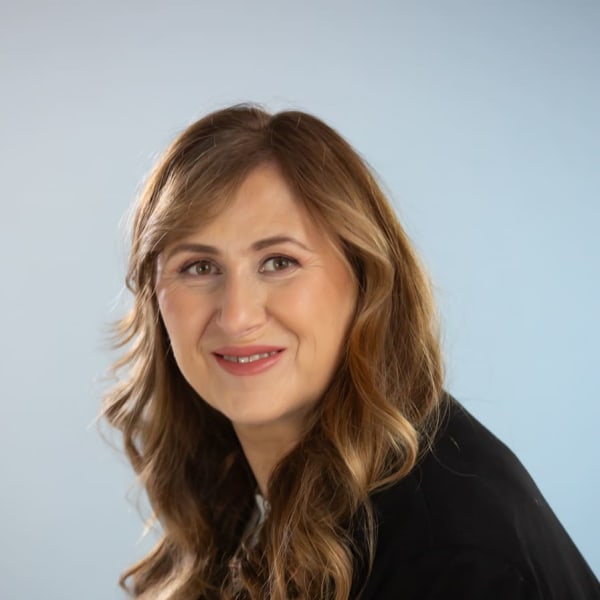
For Angelica Tanta, success has always come down to one thing: practice. Originally from Romania, Tanta credits an online mentor from Ukraine—despite never meeting in person and communicating through Google Translate—with inspiring her to perfect her bridal artistry through relentless repetition.

Angela Orozco believes long-term success in the beauty industry is built on trust, consistency and genuine human connection. A stylist at The Nest Salon in Brea, California, Orozco has spent 14 years cultivating a reputation for dimensional brunettes, precision haircutting and authentic relationships that have fueled her career.

Erin Mills believes beauty professionals deserve more than a successful career. A hairstylist turned multi-salon owner, Mills has spent 17 years growing her business while helping her team create lasting impact.
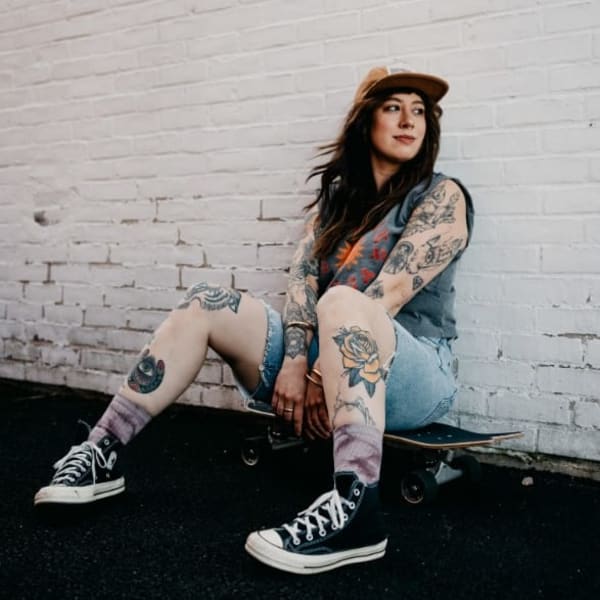
For Mish Jolie (@meltedbymish), success isn't measured by how busy you are, it's measured by how fulfilled you feel. The Connecticut-based stylist, educator and MODERN SALON 100 honoree has built a career around balayage, lived-in brunettes and razor cutting.
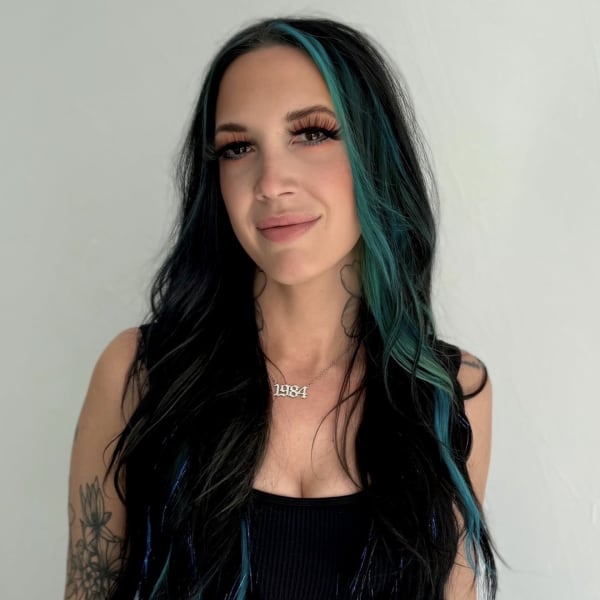
Amanda Harsche has built her career on two simple beliefs: never stop learning and never stop connecting.
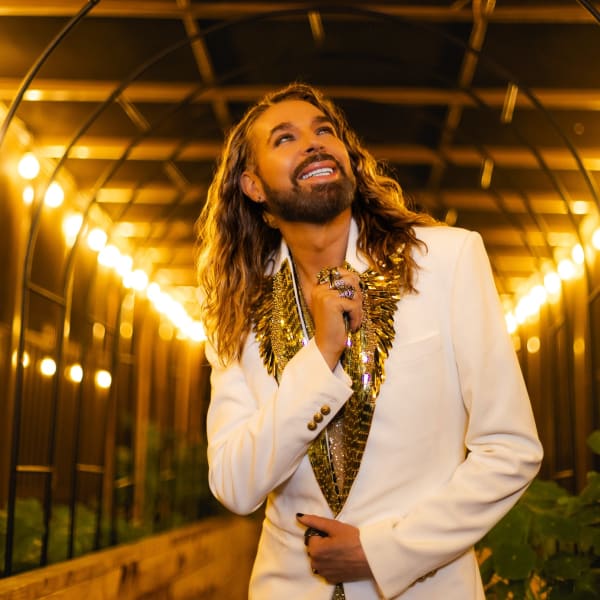
Whether it's social media, fashion, film, art, or culture, Chaz Dean advises stylists to stay aware of what's inspiring people. Take the elements that make sense for you in these five lessons learned through a life in beauty.
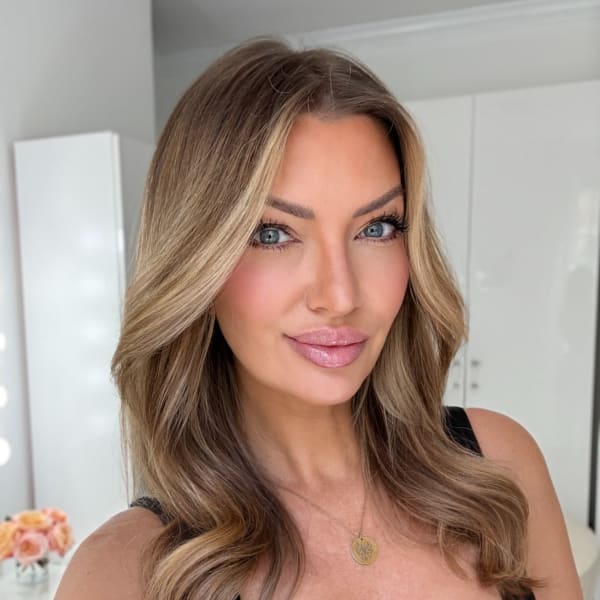
For Jessica Domoney, building a successful career isn't about saying yes to every opportunity, it's about protecting your time, investing in yourself and creating an experience clients won't forget.